
SMSTEEL
The demand for Sheets of Electrical Steel is rapidly increasing as industries shift towards renewable energy solutions. According to a recent report by MarketsandMarkets, the global electrical steel market is projected to reach USD 39.35 billion by 2026. This growth is fueled by the rising need for energy-efficient magnetic materials.
Manufacturers face challenges in maintaining quality while scaling production. The specifications for Sheets of Electrical Steel vary significantly between regions, complicating international trade. For instance, the electrical steel used in Europe must meet strict environmental standards, putting pressure on manufacturers to adapt their processes.
Competitive markets in Asia, particularly in China and Japan, dominate the supply chain. However, access to high-quality sheets remains uneven, with fluctuations in material properties causing reliability concerns. As the industry evolves, staying informed on best practices and advancements in technology is critical for global buyers navigating this complex landscape.
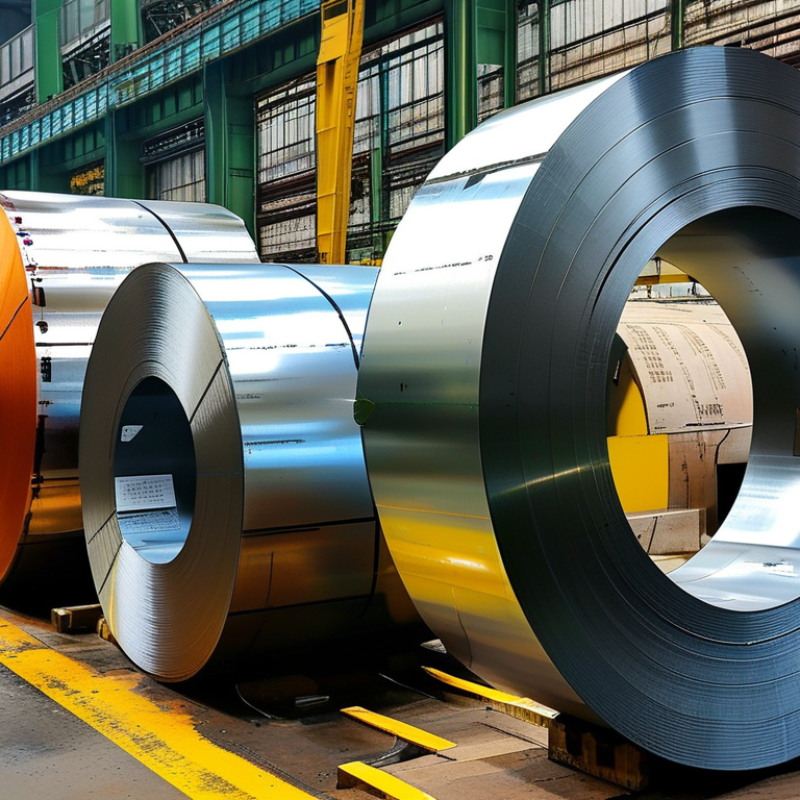
Electrical steel plays a vital role in modern industries, particularly within electrical engineering. This type of steel is essential for manufacturing transformers, motors, and generators. Its unique magnetic properties help optimize energy efficiency and reduce losses in electrical equipment. Companies rely on high-quality electrical steel to enhance performance and long-term reliability.
Proper selection of electrical steel is crucial. Different grades exhibit varying magnetic permeability and losses. Understanding these properties can lead to improved energy savings and operational efficiency. Industry professionals must assess specific application requirements carefully.
Consideration of sourcing materials is also important. Engaging with trusted suppliers ensures consistent quality. It's beneficial to compare different grades and types. Asking questions about certifications can reveal a lot about a supplier’s reliability. Always prioritize transparency in material specifications. Regular testing and quality checks are recommended to maintain high standards.
Electrical steel sheets play a crucial role in various industries, particularly in the manufacturing of transformers and electric motors. These sheets can be categorized into several types based on their magnetic properties and manufacturing processes. Grain-oriented electrical steel, known for its excellent magnetic performance, is often used in high-efficiency transformers. Non-grain-oriented electrical steel is versatile, suitable for applications in motors and generators.
The global demand for electrical steel sheets is influenced by rapid advancements in technology. However, the production methods can be complex, leading to variability in quality. Sourcing high-quality sheets becomes a challenge for many manufacturers. Cost fluctuations in raw materials also affect availability. Buyers need to pay close attention to production processes and certifications to ensure reliability.
In addition to magnetic properties, thickness and surface finish are vital. Thicker sheets can lead to reduced core losses, but they may also increase weight. Surface quality impacts insulation and overall efficiency. Buyers should communicate effectively with suppliers to clarify these specifications. Choosing the right type and quality of electrical steel sheets can greatly impact the efficiency and longevity of electrical devices.
The electrical steel market is set to evolve significantly by 2026. Several key players are shaping this trajectory. Their expertise in metallurgy and manufacturing processes drives innovation. These companies focus on producing high-quality electrical steel sheets, which are essential for efficient power generation and transmission. It's crucial to monitor these trends closely, as they influence the entire supply chain.
Some companies are investing heavily in R&D. This is essential for developing thinner and stronger steel sheets. These advancements promise improved performance in electric motors and transformers. However, not all innovations are successful. Some products may fail to meet market needs. This highlights the importance of continuous market feedback and adaptation.
Moreover, international collaboration is vital for success. Companies are often partnering with local firms in emerging markets. This helps them understand regional demands better. Yet, challenges remain, such as fluctuating raw material prices. Understanding these dynamics is vital for any stakeholder in the electrical steel industry.
The landscape of electrical steel production is undergoing significant changes. Innovation is at the forefront, driven by the increasing demand for energy-efficient solutions. New manufacturing techniques have emerged, promising better performance and durability. These advancements focus on reducing electrical losses while enhancing magnetic properties.
One notable trend is the use of environmentally friendly materials. Companies are exploring sustainable practices. This includes recycling old steel and minimizing waste during production. However, the industry still grapples with challenges. Balancing innovation with cost-effectiveness remains a key concern for many manufacturers.
Collaboration among stakeholders is crucial in this evolving market. Researchers and engineers are working together to develop cutting-edge technology. Yet, there is a need for more transparency about the sourcing and processing of materials. Quality control remains a priority. Industry players must continuously adapt to maintain reliability and trust with global buyers.
| Type | Thickness (mm) | Core Loss (W/kg) | Electrical Conductivity (S/m) | Market Demand (Units) | Innovations |
|---|---|---|---|---|---|
| Grain-oriented Electrical Steel | 0.23 | 0.10 | 3.7 | 15 million | High permeability coatings |
| Non-oriented Electrical Steel | 0.35 | 0.12 | 2.9 | 10 million | Enhanced mechanical properties |
| High grade silicon steel | 0.50 | 0.08 | 4.1 | 8 million | Application in renewable energy |
| Electrical Steel with Improved Coatings | 0.27 | 0.09 | 3.5 | 12 million | Sustainable materials integration |
The global demand for electrical steel sheets is influenced by various factors. A notable driving force is the rising need for energy-efficient solutions. According to a recent industry report, the market for electrical steel is projected to grow at a CAGR of over 6% from 2023 to 2028. As industries push for sustainable practices, electrical steel sheets become essential in transformers and electric motors.
Technological advancements also play a critical role. Innovations in manufacturing processes allow for better quality and performance of electrical steel. Reports indicate that investments in research and development can lead to thinner and more efficient electrical steel sheets. This evolution promises to enhance energy conversion efficiency, a crucial factor in modern electrical systems. However, not all innovations succeed; some may not meet the industry's reliability standards or cost-effectiveness.
Supply chain disruptions due to geopolitical tensions and resource availability can impact production. These challenges force manufacturers to reflect on their strategies. Understanding market dynamics, such as fluctuating raw material costs, is vital for maintaining a competitive edge. Sustainability initiatives also shape the demand landscape. Buyers increasingly seek suppliers committed to eco-friendly practices, reshaping the industry's supply chain.
: The rising need for energy-efficient solutions is a key driver. The market is expected to grow over 6% from 2023 to 2028.
R&D is crucial for creating thinner and stronger steel sheets, which improve electric motors and transformers' performance.
Companies must gather market feedback. Not all innovations align with market needs, highlighting the need for adaptation.
Balancing innovation with cost-effectiveness is challenging. Some products may not meet reliability standards or market expectations.
Companies are exploring eco-friendly materials and practices. Recycling and waste minimization are key focuses for manufacturers.
Partnering with local firms in emerging markets helps companies understand regional demands. This can enhance market success.
Innovations in manufacturing techniques lead to better quality products. They can enhance energy conversion efficiency.
Supply chain disruptions may arise, forcing manufacturers to rethink their strategies and address raw material availability.
Maintaining reliability and trust is crucial. Transparency in sourcing and processing materials remains a priority for many companies.
Buyers increasingly prefer suppliers committed to eco-friendly practices, changing the dynamics of the supply chain.
The article titled "2026 Top Sheets Of Electrical Steel for Global Buyers" provides a comprehensive overview of the significance of electrical steel in various industries, particularly in the manufacturing of transformers and electric motors. It details the different types of sheets of electrical steel available globally, highlighting their unique properties and applications.
Moreover, the article examines the key players in the electrical steel market as of 2026, discussing their strategies and market share. It also explores current trends and innovations in electrical steel production, including advancements in technology and sustainability practices. Finally, the factors influencing global demand for sheets of electrical steel are analyzed, shedding light on market dynamics and future prospects, which are essential for informed purchasing decisions by global buyers.
