 SMSTEEL
SMSTEEL
SMSTEEL
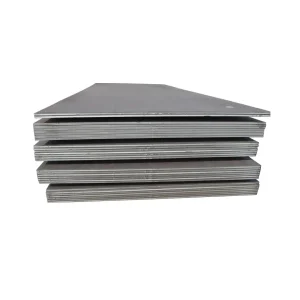
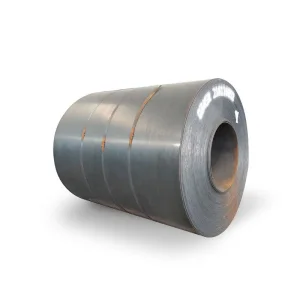
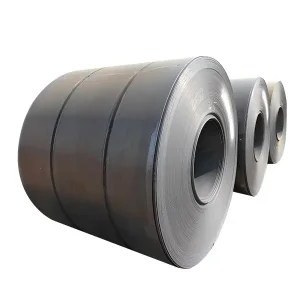
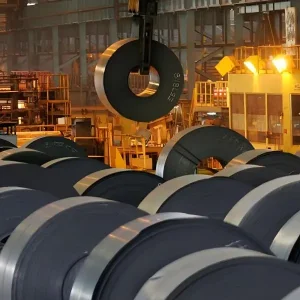
Busan, as the undisputed industrial heartbeat and primary maritime gateway of South Korea, represents a high-density zone for marine manufacturing, automotive assembly, and heavy steel fabrication. Bordered by global automotive clusters in Ulsan and shipbuilding giants in Geoje, Busan’s logistical infrastructure relies deeply on the consistent flow of structural steel components. Hot Rolled (HR) Steel, processed at extreme temperatures above the recrystallization point (typically exceeding 1,700°F or 926°C), serves as the foundational structural element for this maritime industrial corridor.
The performance metrics of hot rolled steel—specifically its tensile strength, yield limits, and weldability—must align with international classifications such as ASTM, EN, DIN, and JIS. For enterprises sourcing steel to fuel operations in the Port of Busan or the Noksan Industrial Complex, metallurgical reliability is not merely a specification but a requirement for structural survivability under dynamic loads, salinity, and high humidity.
“Modern hot rolled processing techniques utilize controlled rolling and online accelerated cooling (TMCP) to optimize grain size, ensuring structural plates retain high impact toughness at low operating temperatures—a key parameter for marine vessels and cold-storage warehouse frames in Busan.”
Within the southeastern maritime zone of Korea, heavy industrial manufacturing requires hot rolled steel grades that can withstand both physical stress and maritime atmospheric corrosion. Major automotive assembly centers and logistics processing nodes in Busan utilize heavy-gauge carbon steel plates for structural frames, cargo storage containers, and bridge structures. Structural grades like S355 (with a yield strength of 355 MPa) and Q345 are widely adopted in civil engineering projects, offering a balance of cost-efficiency and load-bearing capacity.
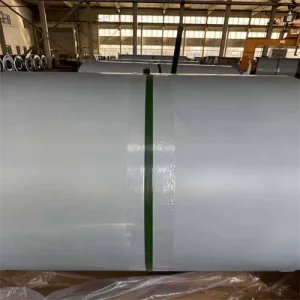
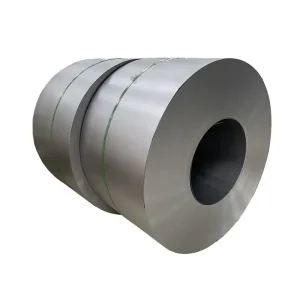
Furthermore, the transition to precision processing has amplified the demand for Hot Rolled Pickled & Oiled (HRPO) steel. HRPO steel undergoes an acid pickling process to strip away the dark oxide scale characteristic of hot rolling, followed by oiling to prevent atmospheric rust. This results in a cleaner, smoother surface profile that is ready for immediate laser cutting, structural forming, and robotic welding without the need for secondary blasting treatments, saving Busan manufacturers both processing time and labor costs.
Industrial procurement managers in South Korea face several supply chain challenges, including volatile raw material pricing, strict port customs clearances, and varying batch-to-batch quality levels. Securing supply from robust mills that provide continuous casting and modern hot strip milling ensures chemical uniformity, reducing issues such as internal voids or non-metallic inclusions.
By establishing long-term strategic relationships with key mills and utilizing optimized logistics paths direct to Busan Port, procurement managers can mitigate shipping delays. Protecting steel plates and coils from moisture-induced rusting during maritime transit is critical, making pickled, oiled, or pre-galvanized coatings key choices for long-term transport protection.
| Steel Grade Standard | Yield Strength (Min MPa) | Tensile Strength (MPa) | Elongation (Min %) | Primary Industrial Application | Suitable Busan Port Project Types |
|---|---|---|---|---|---|
| Q195 / SPHC | 195 | 315 - 430 | 33 | Light structural parts, pipe forming, deep drawing | Warehouse venting ducts, light brackets |
| Q235 / SS400 | 235 | 370 - 500 | 26 | General fabrication, building structures, brackets | Container frames, port storage racks |
| Q345 / S355JR | 345 / 355 | 470 - 630 | 22 | Heavy-duty structures, bridge columns, machine frames | Shipbuilding plates, port crane structural frames |
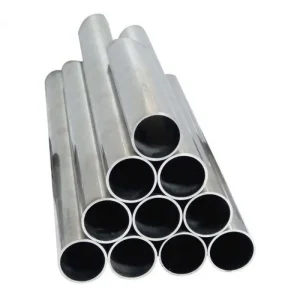
| ST52-3 | 355 | 490 - 630 | 22 | High-stress structural pipelines, mechanical components | High-pressure hydraulic steel pipes |
Founded in 2010, STEP MILLION is a leading steel material supplier and manufacturer in China. Our extensive production facilities span over 66,700 square meters, staffed by more than 300 experienced professionals and 20 R&D engineers possessing over 10 years of metallurgical experience.
Equipped with eight high-frequency welded production lines, our monthly output reaches 100,000 tons, with half of this capacity serving international markets including South Korea, Southeast Asia, the Middle East, and the Americas.
Through close, long-term strategic partnerships with leading domestic mills such as Baowu Group, Anshan Iron and Steel Group, Shougang Group, and Hebei Iron and Steel Group (HBIS), we supply more than 700,000 tons of high-grade steel annually. This ensures robust structural integrity, dimensional accuracy, and chemical composition safety for critical heavy industrial applications.
Contact Our Metallurgical Engineers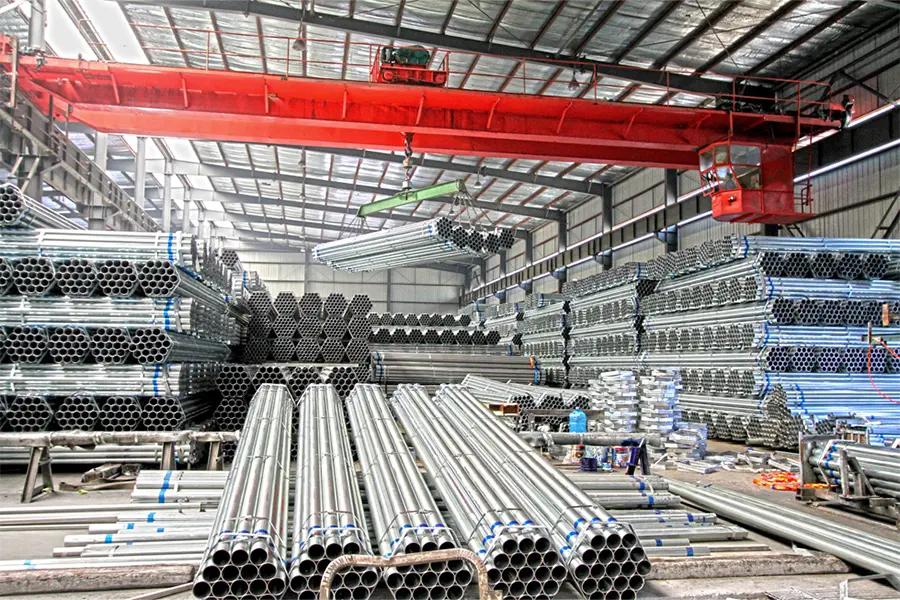
We employ more than 20 quality control inspectors, each with over 10 years of experience in raw material assessment and final product testing. All incoming steel must comply with GB, ASTM, BS, or DIN standards. Certified testing protocols ensure the integrity of the material before it leaves our facilities for shipment to Busan.
To guarantee structural reliability under complex stress scenarios, our inspection team utilizes advanced diagnostic machinery imported from Germany and Japan. This includes spectral chemistry analyzers, tensile testing machines, ultrasonic flaw detectors, and cold-bending test equipment.
CE Certifications are readily provided upon request, alongside Mill Test Certificates (MTC EN 10204 3.1), showing traceability, exact ladle analysis, and physical properties compliance.
Request Mill Test Certificates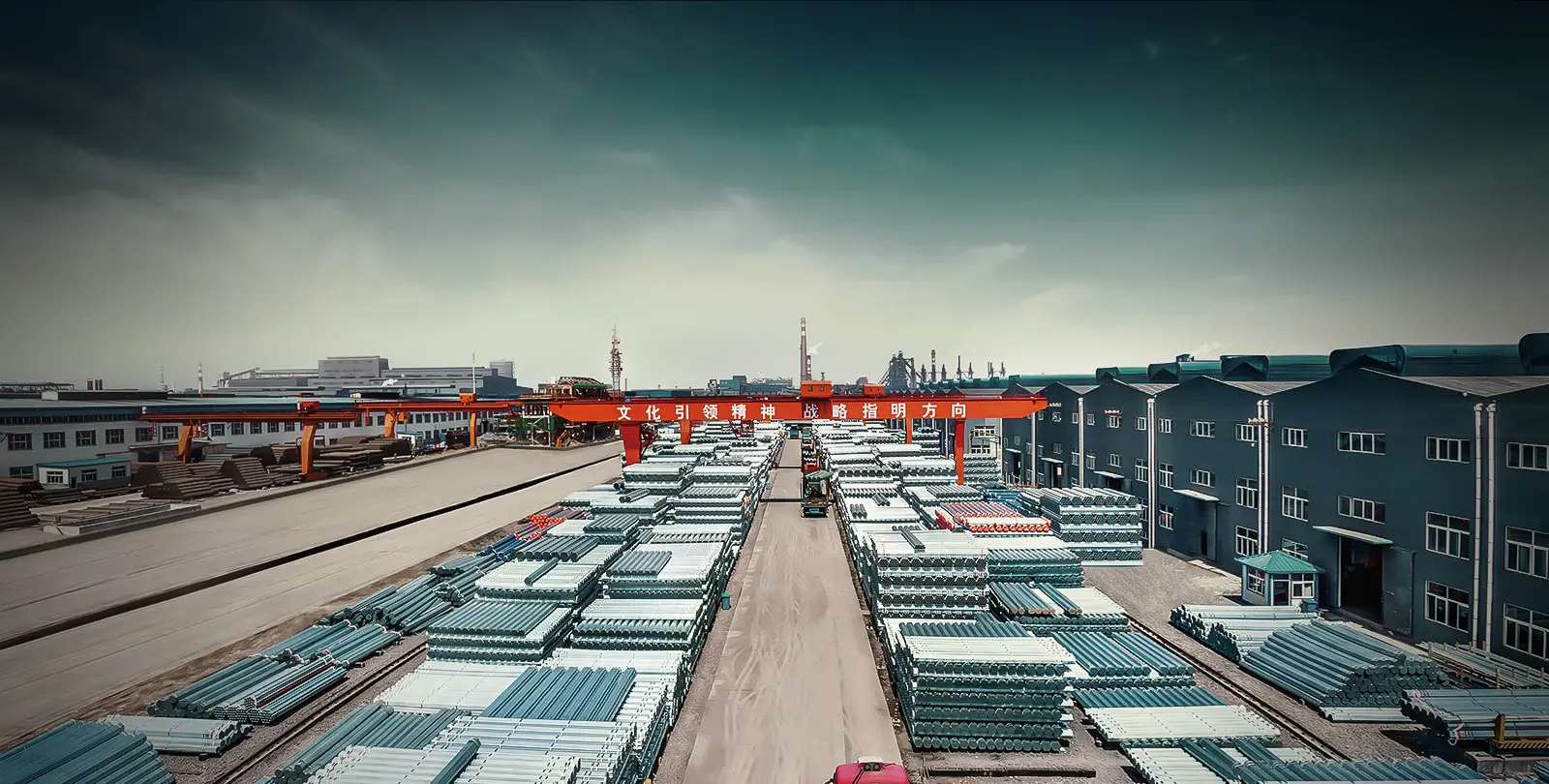
With 15+ years of production experience, we specialize in adjusting hot strip and plate chemistries to optimize mechanical properties and weldability, customized for marine applications.
Through systematic quality gating at every processing phase, from ladle metallurgical analysis to final visual scale checks, we work to eliminate potential claims.
Our global services department guarantees standard responses within 24 hours and provides technical solutions within 48 hours, aligning with tight project deadlines.
We welcome trial orders for custom steel profiles, helping project managers verify material compatibility and mechanical performance before scaling.
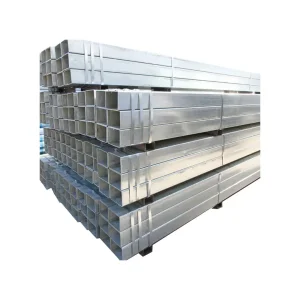
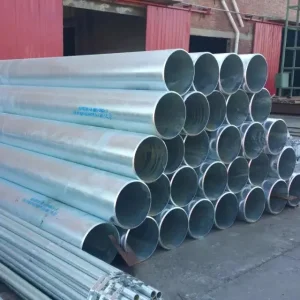
We provide advanced hot dip galvanizing (HDG) and rust-preventative pickling and oiling (HRPO) to protect plates and pipes during maritime transit and storage.
We leverage strong shipping partnerships to secure optimized routes to the Port of Busan, helping control freight costs and ensure predictable lead times.
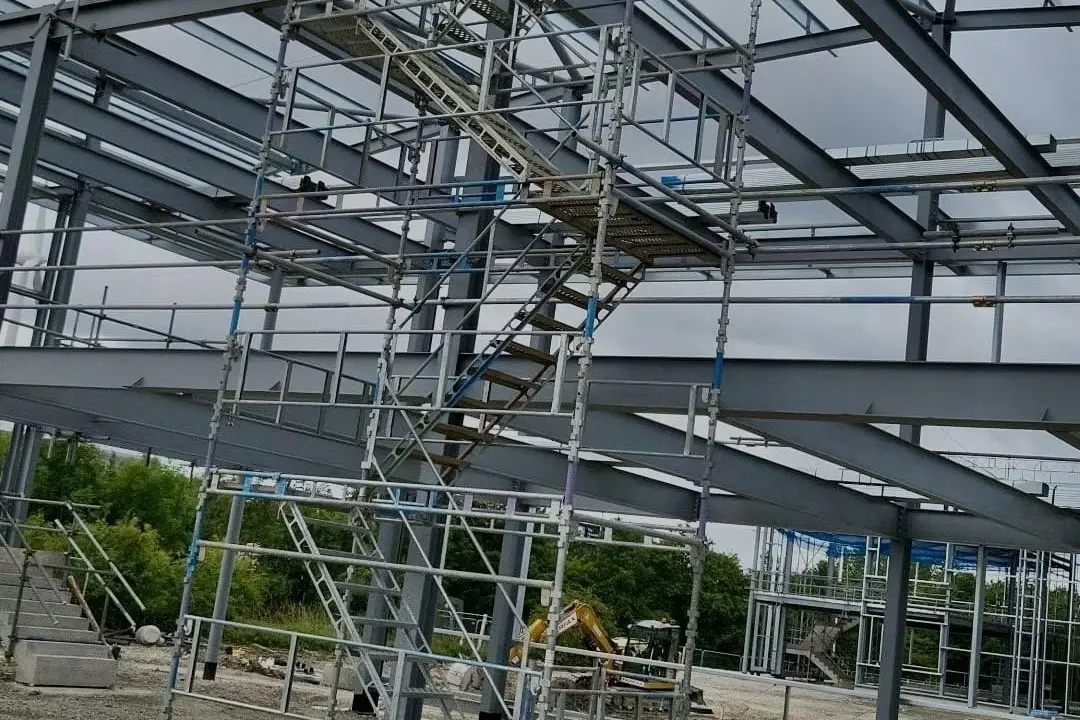
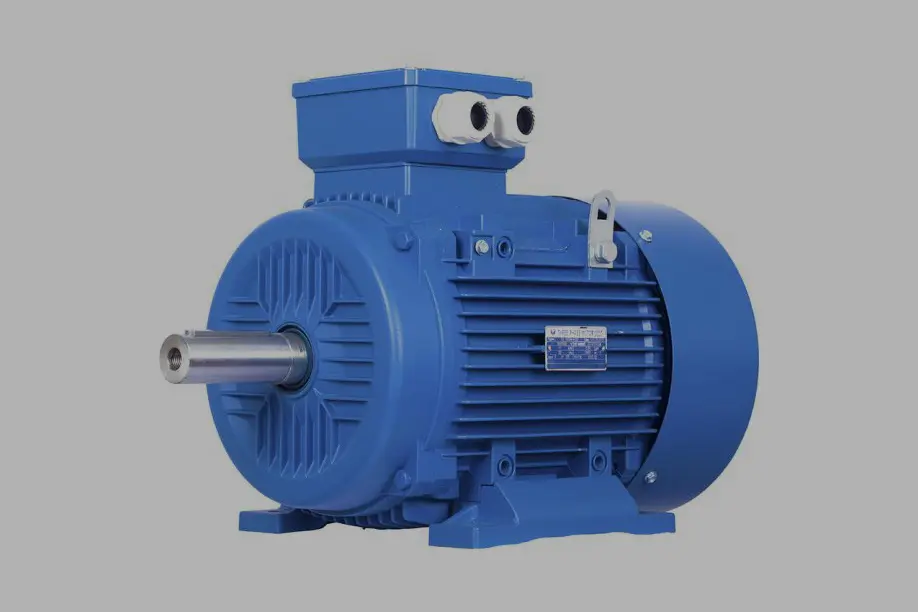
As international environmental regulations, including Korea's carbon emission guidelines, tighten, the carbon footprint of structural steel has become an important consideration for procurement managers. Step Million Steel is committed to reducing environmental impact through clean production methodologies. By optimizing hot rolling temperatures and using energy-recovery furnaces, we reduce fuel consumption and greenhouse gas emissions per ton of steel processed.
Additionally, we work to minimize wastewater generation during chemical cleaning steps by employing closed-loop acid reclamation systems within our pickling and oiling (HRPO) lines. This allows us to recover and reuse hydrochloric acid, reducing toxic effluents. Our long-term technical roadmap targets green metallurgy, preparing our product lines for the next generation of eco-conscious global infrastructure projects.
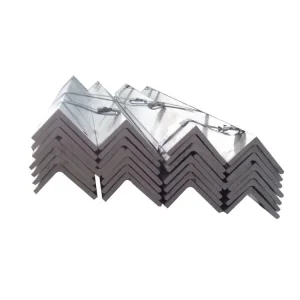
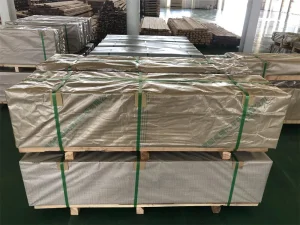
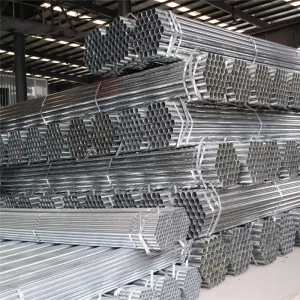
Connect with our metallurgical team today. Receive complete technical specifications, detailed pricing, and logisitical options direct to your production site or Busan container terminal.