
SMSTEEL
Cold Rolled Steel is becoming essential for global buyers looking for quality and versatility. Experts highlight its superior mechanical properties. John Smith, a leading metallurgist, states, "Cold Rolled Steel offers unmatched dimensional accuracy and surface finish."
This material provides benefits in various industries, from automotive to construction. Its durability and strength make it a preferred choice. However, not all sources of Cold Rolled Steel guarantee quality. Buyers must conduct thorough research to ensure reliability.
Understanding the advantages of Cold Rolled Steel can lead to informed purchasing decisions. Buyers should weigh these benefits against potential risks. Ensuring a reliable supply chain is vital for maximizing the advantages of this material.
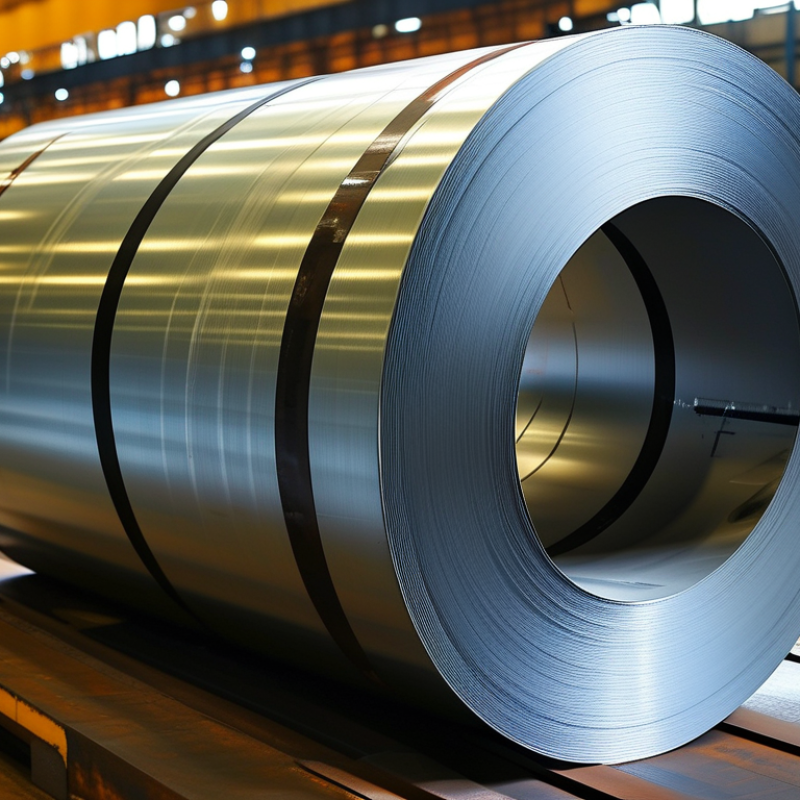
Cold rolled steel is a vital component in modern manufacturing processes. Its precise dimensions and superior surface finish make it invaluable. The processing method enhances the metal's strength and durability. Reports indicate that cold rolled steel has a tensile strength that can exceed 600 MPa. This characteristic is essential for structures requiring high resistance to wear and fatigue.
In manufacturing, cold rolled steel offers significant advantages. It provides better elongation and formability compared to hot rolled variants. This means manufacturers can create complex shapes more efficiently. Additionally, the surface quality of cold rolled steel often requires less finishing work. This not only cuts costs but also reduces production time.
Tip: When selecting cold rolled steel, consider the specific properties needed for your project. Assessing the grade can ensure optimal performance. Always remember that not all cold rolled steels are created equal. Some may not meet the demands of your application. Testing samples before bulk purchase can prevent future complications.
Cold rolled steel is known for its outstanding surface finish. This finish enhances the aesthetic appeal of products, making them more attractive to potential buyers. The smooth texture allows for easier application of coatings and paints, leading to a superior final look.
One tip for global buyers is to consider the thickness of the cold rolled steel when evaluating options. Thinner materials often have an exceptionally refined finish. However, they may lack the strength required for certain applications. Balancing aesthetics and performance is crucial.
Another consideration is the production process. Cold rolling improves the steel's physical properties, but variations can exist. Buyers should request samples to examine the surface quality. Observing textures and imperfections can reveal valuable insights about overall quality and potential defects. This approach can help in making informed purchasing decisions.
| Feature | Description | Benefits |
|---|---|---|
| Surface Finish | Smooth and polished finish achieved through cold rolling. | Aesthetically pleasing and suitable for applications requiring high-quality appearances. |
| Dimensional Accuracy | Tighter tolerances compared to hot rolled steel. | Reduced waste and improved fit in manufacturing processes. |
| Stronger Material | Increased yield strength due to strain hardening during rolling. | Enhanced load-bearing capacity for structural applications. |
| Surface Uniformity | Consistent thickness and finish across sheets. | Better performance in automated processes and reduced production errors. |
| Corrosion Resistance | Often coated or treated to enhance resistance. | Prolonged lifespan of products in corrosive environments. |
Cold rolled steel has become significant for its superior dimensional tolerance and precision. Unlike hot rolled steel, cold rolled steel undergoes processing at room temperature. This method results in tighter tolerances. Precision engineering requires materials that meet stringent specifications. Cold rolled steel offers an impressive dimensional tolerance of ±0.01mm in thickness and maintains a smooth surface finish.
According to a report by the American Metal Market, the cold rolling process enhances the strength of steel by approximately 20%. This improvement benefits manufacturers across various industries, including automotive and construction. High dimensional accuracy is critical in these sectors. For example, precision parts in vehicles can improve safety and performance.
Yet, despite its advantages, challenges exist. Inefficient production processes can lead to variations in steel quality. Buyers should consider sourcing from reputable suppliers who demonstrate a commitment to quality control. Continuous improvement in processes is vital. Ultimately, while cold rolled steel presents numerous benefits, careful evaluation of suppliers is essential to ensure reliability.
Cold rolled steel is gaining popularity among global buyers due to its cost efficiency. The production process creates a smooth and precise finish, reducing the need for additional machining. According to a recent industry report, cold rolled steel can be up to 20% cheaper than hot rolled alternatives when considering lifecycle costs. This includes factors like reduced waste and energy consumption during manufacturing.
In addition, cold rolled steel offers enhanced strength and consistency. These properties can lead to savings on material purchases, as fewer defects mean less waste. Research by leading metallurgical experts indicates that properly sourced cold rolled steel can provide a tensile strength improvement of 30% compared to traditional options. However, some buyers may overlook the long-term savings for initial costs, which could lead to higher expenses over time.
It’s crucial for buyers to evaluate the total cost of ownership. While cold rolled steel initially appears more expensive, its durability and lower maintenance may offer significant savings. Many organizations underestimate these factors, as immediate costs take precedence. Engaging with industry experts can help buyers better understand the financial implications of their materials choices. The road to cost-efficient purchasing isn't always straightforward, but awareness is key.
Cold rolled steel is versatile and widely used across industries. Its smooth surface and tight tolerances make it ideal for manufacturing components like automotive parts, appliances, and furniture. This material is essential for applications requiring precision and durability. Many industries benefit from its mechanical properties, which provide strength without adding significant weight.
In construction, cold rolled steel is often used for framing and support. Its ability to withstand high stress makes it a go-to choice for modern buildings. Consider the aesthetic appeal of cold rolled steel in architectural designs. It offers a sleek, modern look that complements contemporary structures. For designers, this is a crucial aspect to consider.
Tips: When selecting cold rolled steel, prioritize quality certifications. Understanding the specific requirements of your project will ensure the right type is used. Always consult with experts for guidance on material grades. This helps avoid costly mistakes. Involving experienced professionals can lead to better project outcomes.
: Cold rolled steel offers precise dimensions, better strength, and improved surface finish, making it essential in manufacturing processes.
Cold rolled steel has better elongation and formability, allowing for more complex shapes and reducing finishing work.
Assess the properties and grades needed for your project, as not all cold rolled steels are suitable for every application.
A superior surface finish enhances aesthetics and allows easier application of coatings, contributing to a more appealing final product.
Thinner cold rolled steel typically has a refined finish but may lack strength for certain applications, requiring careful balance.
It can be up to 20% cheaper than hot rolled steel in lifecycle costs due to less waste and energy consumption.
Testing samples reveals textures and imperfections, providing insights into overall quality and preventing future complications.
Many overlook long-term savings from durability and maintenance, focusing too much on immediate prices which can lead to higher expenses.
Engaging with industry experts can clarify financial implications and help in making informed decisions about material choices.
Overlooking specific properties or not testing can lead to unsuitable purchases, resulting in increased costs and inefficiencies.
Cold Rolled Steel offers numerous advantages that enhance its appeal for global buyers. The manufacturing processes benefit significantly from this material, as it provides an improved surface finish and greater dimensional tolerance and precision. These properties ensure that components made from Cold Rolled Steel not only meet stringent quality standards but also exhibit longevity and durability in various applications.
Moreover, Cold Rolled Steel is cost-efficient for manufacturers, helping to reduce production costs while maintaining high-quality outputs. Its versatility allows it to be utilized across a range of industries, including automotive, construction, and appliances, making it an essential choice for businesses seeking reliable and effective materials. Overall, the benefits of Cold Rolled Steel make it a preferred option for manufacturers aiming to enhance performance and efficiency in their operations.
