SMSTEEL
The global metal coils market is increasingly vital for various industries. According to a recent report by Market Research Future, the market is projected to exceed $100 billion by 2025. This surge is driven by the rising demand in construction and automotive sectors. Metal coils are lightweight yet strong, making them ideal for numerous applications.
However, not all metal coils are created equal. Quality varies significantly among manufacturers. Buyers must consider factors such as alloy composition and surface treatment. These details impact performance and durability. Reports indicate that improper selection can lead to material failures in critical applications.
Sustainability is also a growing concern. Many manufacturers are now focusing on environmentally friendly production methods. Innovations in recycling and energy-efficient processes are becoming more frequent. Yet, the industry still faces challenges in reducing waste and emissions. As buyers begin to prioritize eco-friendly options, the demand for high-quality metal coils with sustainable production methods will continue to rise.
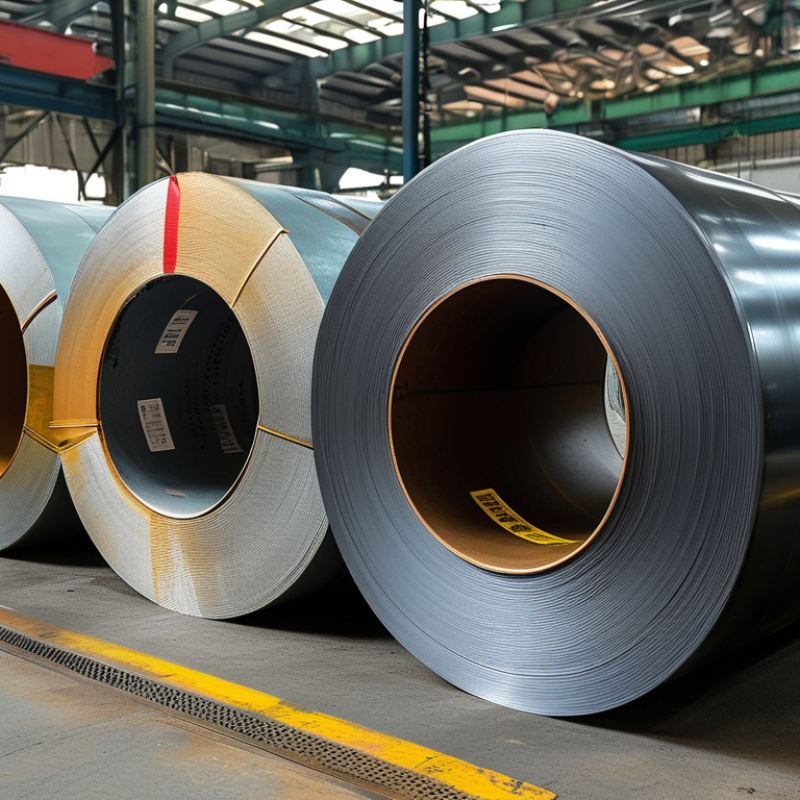
In 2026, global buyers will encounter a diverse range of metal coils, essential for various applications. Understanding the types and specifications available is crucial. Buyers should familiarize themselves with different metals such as stainless steel, aluminum, and copper. Each material has unique properties that can suit various needs.
Consider the thickness and width when selecting metal coils. These factors impact the coil's end-use performance. For example, thicker coils provide durability, while thinner options may offer flexibility. It’s also vital to assess the coil's finish, as this can influence corrosion resistance and appearance.
Tips: Always request samples before purchasing. This allows for hands-on assessment. Stay updated with market trends to make informed decisions. Research manufacturers to ensure quality and reliability in your selections. A well-informed choice will significantly benefit your projects.
This chart illustrates the projected market demand for various types of metal coils in 2026, showcasing the growing importance of different materials in various industries. The data reflects demand in tons for aluminum, stainless steel, copper, carbon steel, and galvanized steel coils.
When selecting
metal coils, key factors demand
careful attention. Material composition plays a
critical role. Different alloys provide distinct properties.
For instance, stainless steel offers
excellent corrosion resistance. On the other hand,
aluminum is lightweight and malleable.
Understanding the
specific requirements of your project is essential.
Thickness and gauge are equally important. The thickness affects durability
and application. A thicker coil may be necessary for heavy-duty applications.
Conversely, thinner coils can be advantageous for lightweight structures.
Buyers should consider the environment in which the metal will be used.
Harsh conditions may require a
more durable choice.
Quality assurance is vital. Choosing suppliers with strong
reputations can enhance
reliability. Look for certifications that indicate compliance with
industry standards. A thorough inspection of the coils upon delivery
can prevent future issues. Reflecting on these aspects will result in a
better purchasing decision, ensuring
that the metal coils meet your project’s demands effectively.
As the metal coils industry continues to evolve, identifying leading manufacturers becomes crucial for global buyers. Reports indicate that the demand for metal coils is projected to grow at a CAGR of 4.5% between 2022 and 2026. This growth signals not only an increase in production but also innovation in manufacturing processes. Countries like China and Germany are renowned for their advanced capabilities in metal coil production, driven by robust technological advancements.
When selecting manufacturers, consider their certifications and track records. Verify ISO compliance, which can be a reliable indicator of quality. Many top manufacturers invest in sustainable practices, reflecting a commitment to environmental responsibility. This trend is evident in the increasing use of recycled materials in production. Customers appreciate transparency in sourcing and manufacturing processes.
Tip: Always request a product sample before committing to a large order. This way, you can evaluate quality firsthand. Also, ensure to compare price-to-quality ratios across different suppliers. Quality should not always come at the highest price; sometimes, less-known manufacturers can provide similar standards at a better cost. All these factors are vital for ensuring that buyers make informed and sustainable decisions in the dynamic landscape of metal coils.
When exploring metal coils, various types stand out based on their applications. Steel coils are prevalent in construction and automotive industries, known for their durability and strength. These coils are essential for framing, panels, and components, offering structural integrity.
Aluminum coils, on the other hand, provide lightweight options, ideal for the aerospace sector. Their resistance to corrosion makes them suitable for diverse environments.
The differences in metal types lead to distinct advantages and challenges. For instance, while steel coils can withstand high stress, they might not offer the flexibility some applications require. Conversely, aluminum coils are easier to work with but may lack the robustness needed in heavy-duty situations. Manufacturers often face tough choices when selecting the appropriate material. Sustainability also comes into play, as recycling different metal coils often proves complex. Understanding these nuances can guide buyers in making informed decisions.
The metal coil industry is experiencing significant changes. As we approach 2026, buyers worldwide should be aware of emerging trends and innovations. Sustainability is at the forefront. Many manufacturers are seeking eco-friendly processes. Utilizing recycled materials is becoming common practice. This shift not only reduces waste but also appeals to environmentally conscious consumers.
Technological advancements are reshaping production methods. Automation plays a key role in improving efficiency. Smart manufacturing techniques are enhancing precision and reducing errors. However, these innovations also come with challenges. The initial cost of implementing new technologies can be high. Smaller companies may struggle to keep pace. Adapting to these changes requires careful planning and investment.
Customer preferences are evolving as well. End-users demand higher quality and more customized products. This trend necessitates more flexible manufacturing solutions. As the landscape shifts, collaboration between suppliers and buyers becomes crucial. Sharing insights and expertise can foster growth. Open dialogue can lead to innovative solutions that meet market needs. There’s much to consider as we look forward to 2026 in the metal coil industry.
| Product Type | Material | Thickness (mm) | Coil Weight (kg) | Market Demand (units/year) | Innovative Features |
|---|---|---|---|---|---|
| Cold Rolled Steel | Mild Steel | 0.4 - 3.0 | 500 - 3000 | 1,200,000 | Enhanced surface finish |
| Hot Rolled Steel | Carbon Steel | 3.2 - 12.0 | 1000 - 5000 | 800,000 | High thermal resistance |
| Galvanized Steel | Steel with Zinc Coating | 0.5 - 4.0 | 800 - 3500 | 600,000 | Corrosion resistance |
| Stainless Steel | 304 & 316 Grades | 0.3 - 10.0 | 600 - 4000 | 700,000 | Heat and fire resistance |
| Copper Coils | Copper | 0.5 - 5.0 | 300 - 1500 | 500,000 | Excellent conductivity |
: Buyers can find stainless steel, aluminum, and copper coils, each with unique properties.
Thickness affects the coil's durability and flexibility. Thicker coils provide durability, while thinner ones offer flexibility.
The finish influences corrosion resistance and appearance. A good finish is essential for long-lasting use.
Always request samples for hands-on assessment. This helps ensure suitability for your needs.
Researching manufacturers helps ensure quality and reliability. A reputable supplier is crucial for a successful purchase.
Different alloys provide distinct properties. Understanding your project’s needs ensures you choose the right material.
Thicker coils are necessary for heavy-duty applications where durability is essential.
Harsh environments may require durable materials. Consider the conditions the metal will face during use.
Quality assurance enhances reliability. Choosing certified suppliers prevents future issues related to product performance.
Reflecting on choices regularly can improve outcomes. This ensures selections meet project demands effectively.
In the rapidly evolving market of 2026, metal coils have become essential products for global buyers, reflecting advancements in manufacturing and technology. Understanding the various types of metal coils and their specific applications is crucial for making informed purchasing decisions. Buyers should consider key factors such as material composition, coil thickness, and surface finish when selecting the best metal coils for their projects.
Furthermore, a comparative analysis reveals significant differences between various metal coil types, which cater to industries ranging from construction to automotive. Staying abreast of the latest trends and innovations in the metal coil industry is essential for maximizing efficiency and performance. As we move through 2026, the demand for high-quality metal coils continues to rise, emphasizing the importance of understanding industry standards and manufacturer capabilities.
