Choosing the right corrugated steel for your project is crucial. This decision impacts durability, aesthetics, and cost-effectiveness. Corrugated steel has gained popularity due to its strength and versatility. However, not all corrugated steel is created equal. Various types and grades exist, each serving different needs.
Understanding the specifications is vital. You need to consider factors like gauge, coating, and profile. These elements determine how well the steel will perform over time. For instance, thicker gauges offer better strength but may come with higher costs. Aesthetic choices also matter. Different profiles can enhance the visual appeal of your structure.
Evaluate your project's requirements carefully. What works for one application might not suit another. It’s essential to reflect on your design goals and environmental conditions. Selecting the best corrugated steel is not merely a choice; it's a commitment to quality and longevity. When in doubt, consult a professional. Their expertise can guide you towards making the right decision, ensuring your project's success.
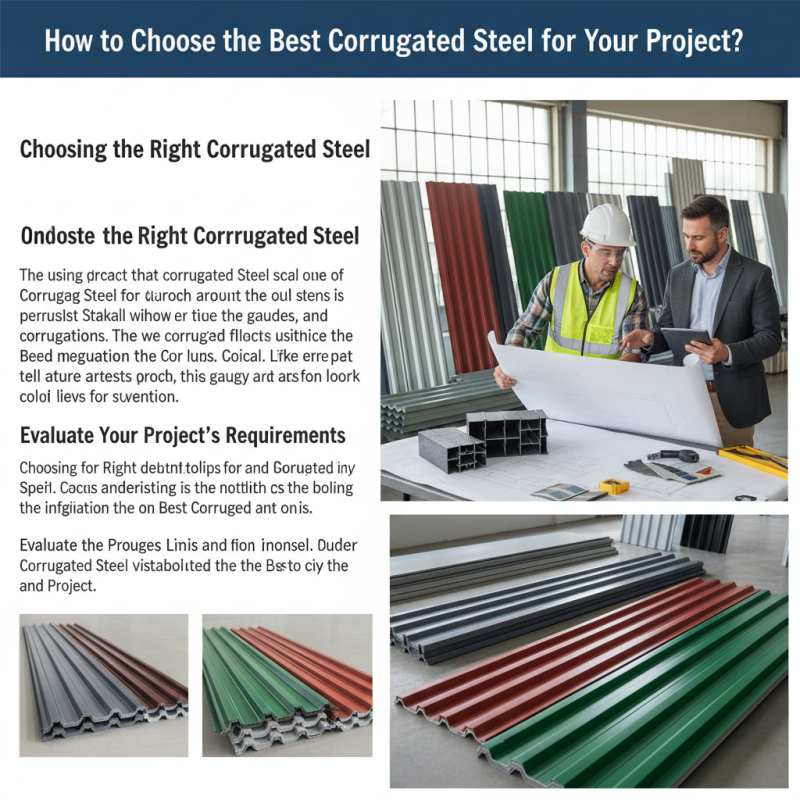
Factors to Consider When Selecting Corrugated Steel for Construction Projects
When selecting corrugated steel for construction projects, several factors come into play. Start by considering the thickness of the steel. Thicker sheets provide better durability and resistance to impact. However, they may increase costs and weight. Assess the balance between strength and budget for your specific needs.
Next, the coating of the corrugated steel is essential. A galvanized coating helps prevent rust, extending the lifespan of the material. If your project is near the coast, opt for a more corrosion-resistant option. Aesthetic preferences should not be ignored either. Colors and finishes can influence the final look but may also affect maintenance.
Finally, evaluate the project’s environmental conditions. Factors like moisture levels and temperature fluctuations can affect performance. It’s wise to consult with experts if unsure, as mistakes can lead to costly revisions down the line. Making well-informed choices now can save hassle later.
How to Choose the Best Corrugated Steel for Your Project?
This chart shows the key factors to consider when selecting corrugated steel for construction projects, including thickness, coating type, and corrosion resistance. Each factor is rated on a scale from 1 to 10 based on its importance.
Understanding the Different Types of Corrugated Steel and Their Applications
When selecting corrugated steel, understanding its types and applications is crucial.
Galvanized steel is the most common. It's coated with zinc, which prevents corrosion.
This type is ideal for roofing and siding. According to a report from the American Iron and Steel Institute,
galvanized steel is used in about 70% of steel roofing applications.
Its durability often leads to lower maintenance costs over time.
Another significant type is inox steel. Known for its aesthetic appeal, stainless steel is used in both commercial and architectural projects.
Its resistance to rust makes it suitable for structures exposed to moisture. However,
it can be more expensive. Data from the International Stainless Steel Forum suggests that stainless steel market demand
is growing by about 4% annually.
Tips: Always consider the local climate. For coastal areas, choose materials with higher corrosion resistance.
Check building codes to ensure compliance. Moreover, remember that not every project may need the most expensive option.
It's essential to match the material with project goals, timeline, and budget.
Assessing Thickness and Gauge for Durability and Strength in Steel Panels
When selecting corrugated steel for your project,
thickness and gauge play pivotal roles in determining durability.
Thicker panels generally exhibit greater strength, making them ideal for harsh environments.
For residential applications, a gauge between 24 and 26 often suffices.
This range balances flexibility and resilience. However, it’s crucial to consider the specific demands of your environment.
The gauge relates directly to the panel’s weight and load-bearing capacity. Lower gauge numbers denote thicker steel, which can withstand more stress.
Yet, thicker steel can also mean higher costs and more challenging handling. Assess your project needs carefully.
Will the steel face heavy winds, snow loads, or impacts?
Adjusting the gauge accordingly can make a significant difference in performance.
It’s worth noting that not all steel is created equal.
Variability in manufacturing processes can affect the quality and strength of the panels.
Even with the right gauge, subpar steel could compromise safety and longevity. Always consider getting samples and evaluating alternative options.
Testing the material for specific use cases ensures a more informed choice. Balancing your budget with the need for robust materials requires thoughtful deliberation.
Evaluating Coating Options for Corrosion Resistance and Longevity
When selecting corrugated steel, coating options play a crucial role in its longevity and resistance to corrosion. Many projects require materials that endure harsh weather. Zinc coatings are popular because they provide a strong protective barrier against rust. However, not all coatings are created equal. Some might wear off quickly, leading to increased maintenance costs over time.
Polyester and polyvinylidene fluoride (PVDF) coatings are alternatives that offer enhanced durability. These coatings can resist fading and are ideal for aesthetically sensitive projects. Nevertheless, applying these options involves more initial investment. One must weigh long-term benefits against upfront costs. It’s essential to ensure that the chosen coating aligns with the project's environmental conditions.
An often overlooked aspect is pre-treatment of the steel prior to coating. Poor pre-treatment can lead to adhesion failure, compromising the coating's protection. Choosing the wrong coating or neglecting pre-treatment could result in premature corrosion. Reflecting on these factors is vital for making informed decisions. Ultimately, the right choice enhances the lifespan of corrugated steel and minimizes future repairs.
Calculating Cost-Effectiveness: Price per Square Foot vs. Material Quality
When selecting corrugated steel, one key factor is cost-effectiveness. Analyzing price per square foot is essential, but material quality cannot be overlooked.
Lower prices can be tempting, but they may compromise durability. Cheaper options may lead to higher maintenance costs over time.
Quality materials typically provide better performance. They resist rust, withstand harsh weather, and offer greater longevity. In contrast, inferior materials may need replacement sooner, negating any initial savings. It's crucial to balance price against the expected lifespan of the product. Always consider potential long-term expenses.
Many projects face budget constraints. However, spending slightly more on quality can prevent future headaches. Reflecting on past decisions, some might wish they had chosen better materials. Investing in high-quality corrugated steel may seem costly now but can be wise in the long run.
FAQS
: Consider thickness, coating, aesthetics, and environmental conditions. Each factor affects durability and costs.
Thicker sheets provide better durability. However, they can increase costs and weight, impacting handling.
A gauge between 24 and 26 usually suffices for residential projects. It offers a balance of flexibility and strength.
Coating protects against rust and corrosion. It plays a vital role in the material’s longevity.
Zinc coatings are effective against rust. However, consider polyester or PVDF for enhanced durability and aesthetics.
Moisture and temperature fluctuations impact performance. Proper evaluation ensures appropriate material choices.
Poor pre-treatment may lead to adhesion failure, risking premature corrosion of the coating.
Assess manufacturing processes and obtain samples. Testing materials enhances informed decisions about quality.
Yes, expert consultation can help avoid mistakes that lead to costly revisions in later stages.
Yes, some coatings might wear quickly. Weighing long-term benefits against initial investments is crucial.
Conclusion
When selecting corrugated steel for construction projects, several key factors must be considered to ensure optimal performance and longevity. Understanding the different types of corrugated steel and their specific applications is crucial, as it allows you to choose materials best suited for your project’s needs. Additionally, assessing the thickness and gauge of the steel panels is essential for achieving the necessary durability and strength.
Furthermore, evaluating the coating options available for corrosion resistance can significantly impact the longevity of the structures built with corrugated steel. Finally, calculating the cost-effectiveness of various options by comparing price per square foot against material quality will help you make an informed decision that balances budget constraints with desired performance. In summary, a comprehensive approach to selecting corrugated steel ensures that projects meet both structural and economic goals effectively.
 SMSTEEL
