
SMSTEEL SMSTEEL

How to Choose the Best Cold Rolling Steel Plate for Your Project?

Time:2026-06-29 Author:Sophia
0%

Choosing the best Cold Rolling Steel Plate for your project can be complex. Understanding the unique properties of cold-rolled steel is crucial. This material is admired for its smooth surface and precise dimensions. Yet, not all cold rolling steel plates are created equal.

When selecting a plate, consider the application. Different industries have varying requirements. Structural integrity, thickness, and treatment options all play a role. A plate that works well for one project may not suit another.

Furthermore, sourcing high-quality cold rolling steel plates is important. Look for reputable suppliers who provide certifications and compliance information. Evaluate samples when possible. This allows you to assess durability firsthand. Finding the right plate may take time and effort, but it’s worth the investment.
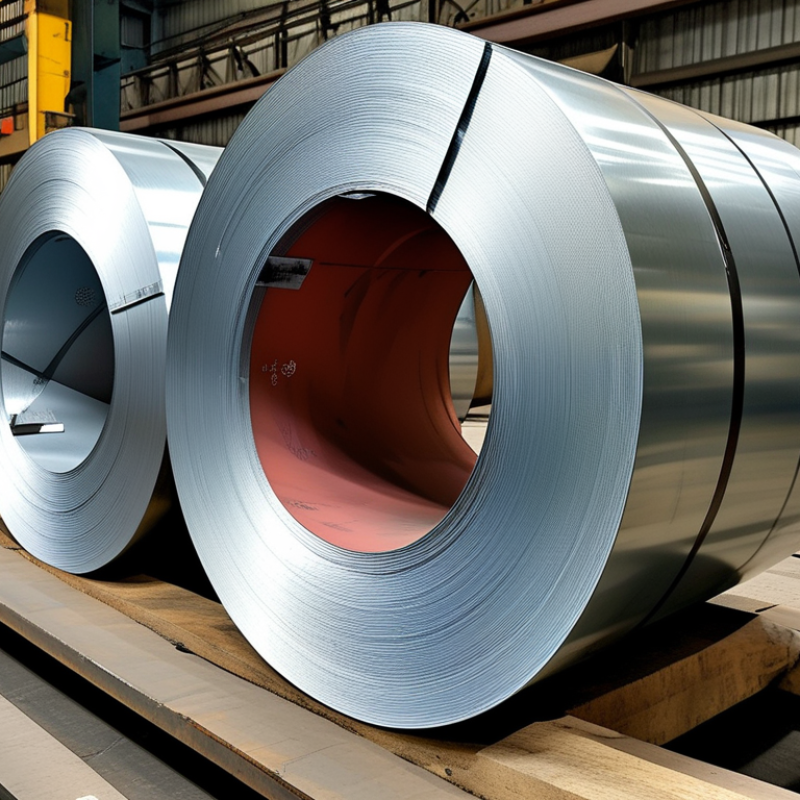
How to Choose the Best Cold Rolling Steel Plate for Your Project?

Understanding Cold Rolling Steel Plates and Their Applications

Cold rolling steel plates are crucial in various industries, including automotive and construction. They are created by passing metal through rollers at room temperature, resulting in a thinner and smoother surface compared to hot-rolled plates. This process enhances mechanical properties, offering superior strength and improved finish. According to recent industry reports, cold-rolled steel plates have become increasingly popular due to their precise dimensions and excellent surface quality, with market growth projected to reach $320 billion by 2025.

When selecting cold rolling steel plates, understanding their applications is essential. These plates serve multiple purposes, from structural components to aesthetic finishes in cars. The average tensile strength of cold-rolled steel is about 270 MPa, which makes it suitable for demanding applications. Pay attention to the plate's thickness and finish. Thinner plates often provide better flexibility, while thicker plates offer greater strength.

Tip: Always consult technical data sheets to ensure the steel plate meets specific requirements. Evaluate the application needs carefully before making a choice. This practice helps prevent costly mistakes. Keep in mind that not all cold-rolled plates are equal; material differences can greatly affect performance. Familiarize yourself with various grades available in the market and match them to your project demands.

How to Choose the Best Cold Rolling Steel Plate for Your Project?

Type Thickness (mm) Width (mm) Length (mm) Application
A1011 1.2 1000 2000 Automotive Parts
A569 2.5 1200 3000 Construction
SPCC 1.0 800 2500 Electronics
DC01 3.0 1500 5000 Appliances

Key Factors to Consider When Choosing Cold Rolling Steel Plates

When selecting cold rolling steel plates, several key factors must be evaluated. Thickness is crucial; it can range from 0.25 mm to 6.0 mm. A 2018 report indicated that most industrial applications prefer plates between 1.0 mm and 3.0 mm. Choosing a thickness that matches project requirements avoids excess weight while ensuring durability.

Surface finish cannot be overlooked. Whether the plate is hot-rolled or cold-rolled will impact the final surface characteristics. Cold-rolled plates typically exhibit a smoother finish, which can enhance appearance and corrosion resistance. A study by the American Iron and Steel Institute highlighted that smoother finishes can reduce friction, improving efficiency in many applications.

Furthermore, mechanical properties like yield strength and tensile strength are essential. These properties dictate how the steel will behave under stress. Notably, cold-rolled steel often demonstrates higher strength compared to hot-rolled steel. However, it can be more prone to brittleness in some cases. Buyers should carefully analyze specifications and be aware of potential trade-offs when selecting materials for their unique needs.

Factors to Consider When Choosing Cold Rolling Steel Plates

Comparing Different Grades of Cold Rolling Steel Plates

When considering cold rolling steel plates, it’s crucial to evaluate their grades. Different grades offer unique properties tailored for specific applications. For instance, low carbon grades provide good formability. They are often used in automotive components and furniture. Higher carbon grades, however, boast increased strength and durability, making them suitable for more demanding conditions.

Assessing the intended use of the steel plate can highlight which grade is appropriate. Look closely at yield strength, tensile strength, and ductility. These factors influence how the steel will perform under stress. It’s important to match the grade with project requirements. Misjudging a plate's grade may lead to structural failures or costly revisions.

Keep in mind that not all manufacturers provide detailed specifications. This can add to uncertainty when selecting a plate. Checking certifications and compliance with industry standards can alleviate some concerns. Even experienced professionals may find it challenging to choose the best grade at times. It's a journey of understanding materials and their limitations.

Evaluating Thickness and Size Requirements for Your Project

When selecting a cold rolling steel plate, thickness and size are crucial factors to consider. The right thickness ensures the plate can withstand the demands of your project. A plate that is too thin might bend or warp under stress, while one that is too thick can add unnecessary weight and cost. Common thicknesses vary from 1mm to 6mm for many applications. Visualizing your project’s needs helps narrow down the options.

Size is equally important. You must evaluate the specific dimensions required for your application. Measure carefully to avoid excess waste. Plates come in various lengths and widths, so it’s essential to know the exact specifications before purchasing. Always consider accessibility. A larger plate might be challenging to handle or fit into your workspace.

While it’s easy to focus only on these specifications, do not overlook how they impact overall performance. Sometimes, a thicker plate can compromise flexibility. Each project has unique requirements, which means there is no one-size-fits-all answer. Engaging with suppliers and discussing your needs can clarify what works best. Reflecting on your choices is vital to ensure the final product meets all expectations.

Assessing Coating and Surface Finish Options for Steel Plates

When selecting a cold rolling steel plate, the coating and surface finish are crucial factors. Different finishes offer unique properties, impacting both aesthetics and functionality. For instance, a polished finish can enhance corrosion resistance, ideal for projects in harsh environments. On the other hand, a rough or textured surface can improve adhesion for paint or coatings. According to industry reports, companies that prioritize surface finish experience up to 30% increase in product durability.

Consider these tips: Always assess the environment where the steel will be used. For outdoor applications, a galvanized coating can provide superior protection against rust. It's also essential to understand the project's aesthetic needs, as finishes can significantly alter the appearance of the steel. Some coatings, like powder finishes, offer a variety of colors and textures while ensuring longevity.

Reviewing your options is vital. Not all finishes come with the same wear resistance. Some coatings might perform well initially but degrade faster over time. Research different finishes to understand their long-term performance. This will help avoid costly replacements in the future. Engaging with professionals for insights can guide you in making informed choices that balance aesthetics, functionality, and cost.

FAQS

: What thickness of cold rolling steel plates is commonly used?

: Thickness can range from 0.25 mm to 6.0 mm. Most industries prefer between 1.0 mm and 3.0 mm.

Why is surface finish important when selecting steel plates?

Surface finish affects appearance and corrosion resistance. Cold-rolled plates offer a smoother finish.

How do mechanical properties impact cold rolling steel plates?

Yield strength and tensile strength determine how steel performs under stress. Cold-rolled steel is often stronger.

What grades should I consider for cold rolling steel plates?

Different grades offer unique properties. Low carbon grades are for formability, while higher carbon grades provide strength.

What happens if the wrong grade is selected?

Misjudging may lead to structural failures or costly revisions. It's crucial to understand project needs.

Are manufacturer specifications always reliable?

Not all manufacturers provide detailed specs. This can create uncertainty in selection.

How can I ensure I choose the right plate grade?

Assess yield strength, tensile strength, and ductility. Matching these factors with project requirements is vital.

Is brittleness a concern with cold-rolled steel?

Yes, cold-rolled steel can be more brittle. Understanding its limitations is essential for effective use.

Can professionals struggle with choosing the best grade?

Absolutely. Even experienced individuals may find it challenging. It requires a good grasp of materials.

What should I check to alleviate concerns about steel plate selection?

Look for certifications and compliance with industry standards. This can help in making informed choices.

Conclusion

Choosing the best cold rolling steel plate for your project involves understanding the properties and applications of these materials. Cold rolling steel plates are produced by compressing the steel at room temperature, resulting in a smoother finish and improved strength. It's essential to consider key factors such as the specific requirements of your project, including material grade, thickness, and size. Different grades offer varying mechanical properties, which can significantly impact their performance in applications.

In addition to these factors, evaluating the coating and surface finish options available for cold rolling steel plates is crucial. A suitable surface treatment can enhance corrosion resistance and improve the overall durability of the plates. By carefully assessing these aspects, you can ensure that you select the most appropriate cold rolling steel plate that meets your project's demands effectively.

Sophia

Sophia

Sophia is a dedicated marketing professional with an exceptional depth of knowledge about her company's products and services. With a keen understanding of market trends and customer needs, she crafts insightful blog posts that not only inform but also engage readers, enriching the company’s online......