SMSTEEL SMSTEEL

Why Choose Hot Rolled Steel for Your Next Project?

Time:2026-07-02 Author:Amelia
0%

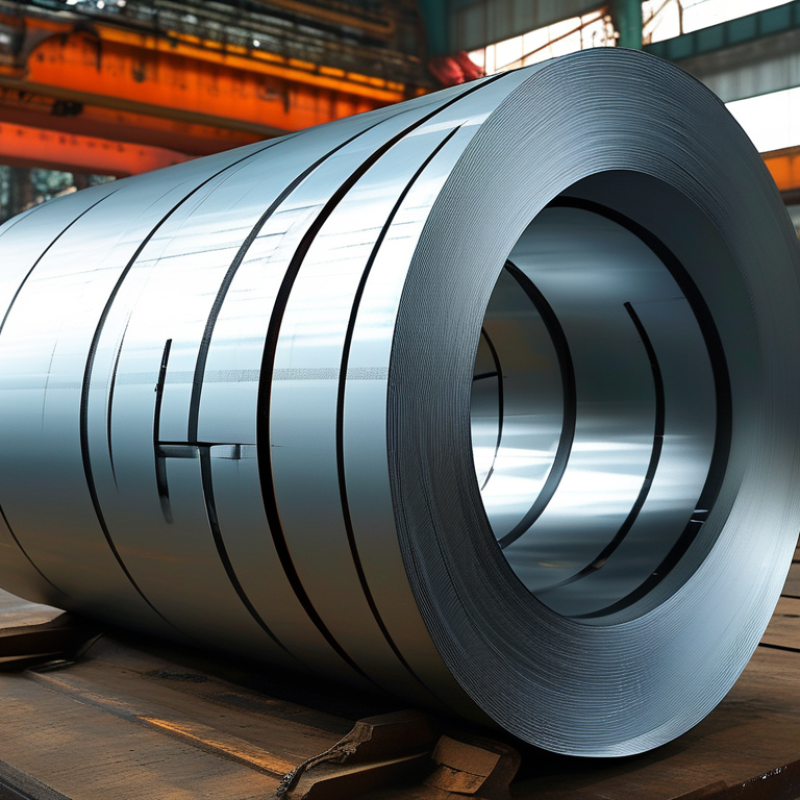
Hot Rolled Steel is a fundamental material in construction and manufacturing. Its versatility makes it an ideal choice for various applications. According to the World Steel Association, over 1.8 billion tons of steel were produced globally in 2021. Among this, a substantial portion consists of hot rolled steel, praised for its favorable mechanical properties.

One significant advantage of hot rolled steel is its cost-efficiency. It requires less processing time and energy, resulting in lower production costs compared to cold rolled steel. Moreover, hot rolled steel can be formed into various shapes easily. This adaptability makes it suitable for structural components in buildings and bridges, as well as in the automotive industry.

However, potential issues arise with hot rolled steel. The surface finish may not be as smooth as cold rolled steel, leading to aesthetic challenges in some designs. Additionally, variability in thickness can sometimes affect precision in certain applications. Despite these drawbacks, hot rolled steel remains a reliable choice, acclaimed for its strength and flexibility in demanding construction projects.
Why Choose Hot Rolled Steel for Your Next Project?

Benefits of Hot Rolled Steel in Construction Projects

Hot rolled steel is a popular choice in construction projects for several compelling reasons. Firstly, it offers excellent mechanical properties. The rolling process not only strengthens the steel but also gives it a uniform thickness. This is essential for structural integrity. Additionally, hot rolled steel is cost-effective. The production process is efficient, allowing for lower material costs.

Tip: When sourcing hot rolled steel, always check the material standards. Ensure that the steel meets the necessary specifications for your project. This attention to detail can save time and money down the line.

Another key benefit is its versatility. Hot rolled steel can be used in various applications, including beams, sheets, and structural frames. The adaptability of this material means it can fit different project requirements. However, it’s worth noting that it may not be suitable for all environments. Hot rolled steel can be prone to rust if not properly treated, which requires further consideration.

Tip: Consider protective coatings to enhance durability in corrosive environments. This simple step can improve the lifespan of your hot rolled steel elements.

Choosing hot rolled steel can be an excellent decision for many construction projects, but careful planning is always necessary. The combination of strength, cost savings, and adaptability often makes it a go-to material in modern construction.

Cost-effectiveness of Hot Rolled Steel Compared to Alternatives

Hot rolled steel has gained popularity across various industries due to its cost-effectiveness compared to alternatives. According to a report by the American Steel Institute, hot rolled steel can offer savings of up to 20% compared to cold rolled steel. This makes it a compelling choice for projects where budget constraints are a priority.

The manufacturing process of hot rolled steel involves rolling at high temperatures, which reduces production costs. However, this method may result in less precise dimensions, a trade-off to consider. Despite this downside, the structural integrity and versatility of hot rolled steel often outweigh concerns about tolerances. Data from the World Steel Association indicates that the global demand for hot rolled products is projected to increase by 3% annually, highlighting its importance in the construction and manufacturing sectors.

Additionally, hot rolled steel is readily available in large quantities. This availability can lead to faster project turnaround times, an essential factor for many businesses. While choosing materials, it's crucial to balance cost, quality, and application. Hot rolled steel may not always be the perfect fit for precision work or specific aesthetic needs. Nonetheless, for many applications, its cost advantages make it a worthwhile consideration.

Why Choose Hot Rolled Steel for Your Next Project?

Feature Hot Rolled Steel Cold Rolled Steel Galvanized Steel
Cost per Ton $600 $800 $900
Yield Strength (MPa) 250 350 275
Thickness Range (mm) 6 - 25 0.2 - 6 1 - 20
Weight (kg/m²) 7.85 7.85 7.85
Common Applications Construction, Structural Beams Automotive, Appliances Construction, Coated Products

Mechanical Properties and Durability of Hot Rolled Steel

Hot rolled steel exhibits impressive mechanical properties that make it suitable for a range of applications. Its strength and ductility allow it to withstand significant stress without fracturing. Hot rolling increases the material's durability, delivering a product that can endure harsh environments. This versatility appeals to engineers seeking reliable material options.

Another notable feature is its resistance to wear and fatigue. Hot rolled steel maintains its integrity under repeated loading. However, users must be mindful of its susceptibility to corrosion. Proper surface treatment or coatings can enhance longevity. This highlights the importance of understanding the specific needs of a project. Evaluating conditions is crucial for maximizing performance.

The ease of fabrication is an added benefit. Hot rolled steel can be cut, welded, or shaped without compromising its inherent properties. Yet, this adaptability may lead to miscalculations in project specifications. It's essential to balance functionality with aesthetics. Careful planning is required to ensure the material's advantages are fully realized.

Applications of Hot Rolled Steel Across Industries

Hot rolled steel is a versatile material used in many industries. Its applications span from construction to automotive manufacturing. In construction, it serves as a fundamental building block. Steel beams, columns, and plates derived from hot rolling provide the structural integrity needed for modern skyscrapers. These components can withstand heavy loads, making them essential for safe construction.

In the automotive industry, hot rolled steel is critical for producing various car parts. It’s often used to create frames, body panels, and brackets. The workability of hot rolled steel allows for easy manipulation, but it can also pose challenges. Manufacturers must ensure precise dimensions during the fabrication process. Small errors can lead to larger issues like misalignment in assembly.

The manufacturing sector utilizes hot rolled steel for machinery and equipment. It combines strength and affordability, making it an attractive choice. Yet, while hot rolled steel is robust, it may require coatings or treatments for protection against corrosion. This adds another layer of consideration for projects. Proper planning and quality control remain essential to maximize the benefits of this material.

Sustainability and Recycling Potential of Hot Rolled Steel

Hot rolled steel has gained recognition not just for its strength, but also for its sustainability. This material is highly recyclable, allowing for efficient reuse in various applications. The lifecycle of hot rolled steel can be extended significantly, and this is a key factor in its popularity.

Recycling hot rolled steel is a straightforward process. Scrap steel can be melted down and reformed into new products without losing its properties. This reduces the need for virgin materials and lessens environmental impact. Studies indicate that recycling steel conserves energy and decreases greenhouse gas emissions.

However, there are challenges in promoting its recycling potential. Many facilities lack the infrastructure for effective recycling. Additionally, some people may overlook the benefits of using recycled materials. This requires ongoing education and encouragement to rethink material choices, emphasizing the importance of sustainability in construction and manufacturing.

FAQS

: What are the cost benefits of hot rolled steel?

: Hot rolled steel can save up to 20% compared to alternatives, such as cold rolled steel.

What is the manufacturing process of hot rolled steel?

It involves rolling steel at high temperatures, which reduces production costs but affects precision.

Why is hot rolled steel popular in construction?

It provides structural integrity for buildings and can withstand heavy loads.

What challenges exist in using hot rolled steel?

Inaccurate dimensions can lead to misalignment issues during assembly, requiring careful planning.

How is hot rolled steel used in the automotive industry?

It’s used for making frames and body panels, but precision in fabrication is crucial.

What is the recycling potential of hot rolled steel?

Hot rolled steel is highly recyclable, reducing the need for virgin materials and lessening environmental impact.

What obstacles hinder hot rolled steel recycling?

Limited recycling infrastructure and a lack of awareness about its benefits can be major issues.

What precautions should be taken with hot rolled steel?

It may require coatings for protection against corrosion, adding complexity to projects.

Can hot rolled steel be used for precision work?

It may not be ideal for precision tasks due to dimensional tolerance issues.

Is hot rolled steel sustainable?

Yes, it is recyclable and helps reduce energy use and greenhouse gas emissions when used responsibly.

Conclusion

Hot Rolled Steel offers numerous benefits for construction projects, making it a popular choice among builders and manufacturers. Its cost-effectiveness compared to alternative materials contributes to budget-friendly solutions, allowing for more efficient project implementation. Additionally, Hot Rolled Steel boasts impressive mechanical properties, including high strength and durability, making it suitable for a variety of applications across different industries, from automotive to infrastructure.

Moreover, the sustainability and recycling potential of Hot Rolled Steel provide an environmentally responsible option for those looking to minimize their ecological footprint. As it can be recycled without losing its inherent properties, Hot Rolled Steel stands out as a versatile and responsible material that meets the modern demands of construction and manufacturing while supporting sustainable practices.

Amelia

Amelia

Amelia is a seasoned marketing professional with a wealth of expertise in our company’s core offerings. With an unwavering passion for driving growth and innovation, she plays a pivotal role in shaping our marketing strategies and enhancing brand visibility. A key aspect of her responsibilities......