Choosing reliable Low Carbon Electrical Steel suppliers requires more than comparing quoted prices. The right partner must demonstrate measurable carbon reductions, stable product quality, and dependable delivery. Buyers should examine factory experience, production equipment, energy sources, and environmental management practices. A polished sustainability statement is not enough.
Ask suppliers for recent mill certificates, product specifications, carbon accounting methods, and third-party audit evidence. Check whether their emissions data covers manufacturing, electricity use, transportation, and recycled material content. These details can reveal important differences between similar grades. A supplier using renewable electricity may still have weak control over raw material traceability.
Technical performance matters equally. Review core loss, magnetic permeability, thickness tolerance, coating quality, and testing procedures. Request samples and compare them under realistic operating conditions. Small variations can affect motor efficiency, transformer temperature, and long-term operating costs. Do not rely only on laboratory results supplied by the seller.
Delivery history deserves attention. Ask for references from comparable projects, production lead times, and contingency plans for shortages. A low-carbon material that arrives late may create expensive interruptions. That practical risk is often overlooked.
Supplier selection is not perfectly simple. Carbon figures may use different boundaries, and certificates can be difficult to compare. Buyers should record assumptions and ask uncomfortable questions. Independent verification helps, but it does not replace technical judgment. A transparent supplier will explain limitations instead of hiding them. The strongest decision balances verified environmental performance, engineering suitability, commercial stability, and honest communication. Look beyond the brochure.
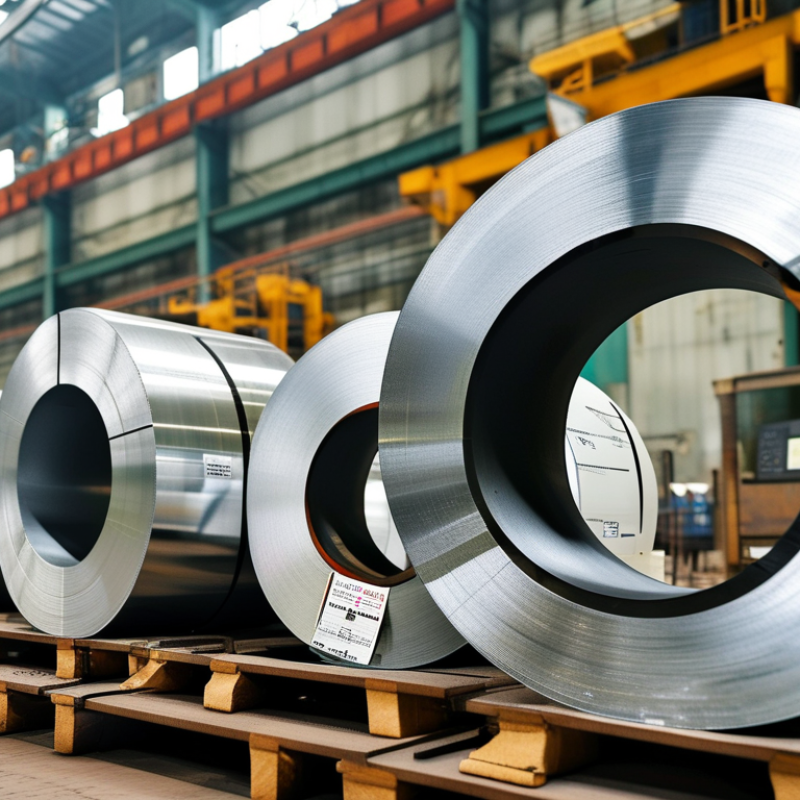
What Low-Carbon Electrical Steel Means
How to Choose Low Carbon Electrical Steel Suppliers?
Low-carbon electrical steel usually describes two different ideas. The first concerns the steel’s carbon content. Electrical steel requires very low carbon levels, often controlled through vacuum treatment and decarburizing annealing. Excess carbon can increase core loss, weaken magnetic performance, and reduce long-term stability. The second meaning concerns embodied carbon from mining, melting, rolling, and electricity use. These meanings should not be confused.
A qualified supplier should provide a heat certificate, chemical analysis, and magnetic test results. Check carbon content, thickness tolerance, core loss, and permeability against the required grade. Ask for test conditions, such as frequency, flux density, and specimen direction. Small details matter. A 0.23-millimeter sheet may perform differently from a 0.30-millimeter sheet in a high-efficiency motor. Grain-oriented steel also needs careful review of rolling direction and insulation coating.
Production evidence is equally important. Request verified emissions data, energy sources, recycled content, and the calculation boundary. “Low carbon” may only describe factory emissions, not transportation or raw materials. During supplier audits, examine calibration records and batch traceability. One practical lesson is uncomfortable: polished sustainability claims can hide incomplete measurements. I would compare at least three recent production lots, not one impressive report. Delivery reliability, technical support, and corrective-action records also reveal supplier maturity. Ask how the supplier handles coating damage, edge burrs, and unexpected core-loss results.
Which Supplier Qualifications and Certifications Matter
Choosing a low-carbon electrical steel supplier requires more than a green claim on a website.
The International Energy Agency reported that iron and steel production caused about 2.6 gigatonnes of direct CO2 emissions in 2022, nearly one-quarter of global industrial emissions. Ask suppliers to disclose Scope 1 and Scope 2 emissions, energy sources, and calculation boundaries. Numbers matter. ISO 14001 supports environmental management, while ISO 50001 indicates structured energy control. ISO 9001 also matters because stable quality protects motor efficiency and production yield.
Product evidence must be equally specific.
Request a batch-level mill test certificate showing grade, thickness, core loss, magnetic permeability, coating, and heat number. Check whether laboratories use methods aligned with IEC 60404. For carbon claims, prefer a third-party life-cycle assessment under ISO 14040 and ISO 14044, plus a product carbon footprint following ISO 14067. An independently verified environmental product declaration can improve comparability.
The World Steel Association has noted that emissions vary widely by production route, so “recycled content” alone proves little. Ask how scrap, electricity, transport, and allocation methods were treated.
A factory audit should trace one coil from furnace records to shipment labels. That reveals practical weaknesses. Certificates can expire, and figures may cover an average product family rather than your exact grade. Review corrective-action records, calibration logs, and delivery performance.
Renewable electricity claims deserve scrutiny too. I would not approve a supplier without checking both documents and physical samples. That extra step is inconvenient, but it prevents an attractive carbon number from hiding unstable magnetic performance.
How to Compare Material Quality, Carbon Data, and Cost
How to Choose Low Carbon Electrical Steel Suppliers?
Material quality should be checked beyond the quoted grade. Ask for mill test certificates, thickness tolerance, coating weight, magnetic properties, and lot traceability. For transformer or motor cores, compare core loss at the actual operating frequency. A small difference in watts per kilogram can increase heat and lifetime costs. Request samples from several production lots, not only one polished coil. Then verify them through Epstein testing or ring samples. Surface scratches matter too. They can damage insulation during stamping.
Carbon data needs clear boundaries. Confirm whether the figure covers melting, rolling, electricity, transport, or the full product life cycle. Prefer recent product carbon footprints with stated calculation methods and third-party verification. An environmental declaration is useful, but it should match the exact grade and thickness. Vague claims are weak evidence. Ask for recycled content, renewable electricity records, and data validity dates. Carbon numbers can look precise while hiding assumptions.
Cost comparison should include the landed price, yield loss, tooling adjustments, inspection, and energy use during operation. A cheaper coil may create more burrs or higher core loss. That difference appears later on the factory meter. Include delivery reliability and replacement response in the supplier score. I would also audit one production line, if possible. Paperwork is never enough. My own early comparisons overvalued unit price and underestimated testing time. That was a costly lesson. Supplier performance should be reviewed after the first three shipments, not accepted permanently.
How to Choose Low Carbon Electrical Steel Suppliers? - How to Compare Material Quality, Carbon Data, and Cost
Notes: The figures are anonymous, indicative comparison benchmarks rather than quotations from named companies. Core-loss values should be confirmed against the applicable IEC 60404-8-4 or ASTM A677 test method. Product carbon footprints depend on system boundaries, electricity mix, recycled content, and transport assumptions; request a verified declaration before making final procurement decisions. Prices are indicative material-only ranges in U.S. dollars per metric tonne and exclude taxes, freight, tooling, and processing.
How to Verify Manufacturing and Environmental Claims
How to Choose Low Carbon Electrical Steel Suppliers?
How to Verify Manufacturing and Environmental Claims
Choosing low-carbon electrical steel requires more than a supplier brochure. Manufacturing claims should survive a factory visit, document review, and a careful conversation with production staff. Ask where each process occurs, from melting and refining to rolling and coating. Then request batch records, energy data, and the production site’s reporting boundary. A low figure can mislead when outsourced processing is excluded. That happens.
Environmental claims need evidence, not confident language. Request a product carbon footprint with its calculation method, emission scopes, electricity sources, and allocation rules. Check whether data is primary, estimated, or averaged across several plants. Independent verification adds credibility, but read its scope and validity date. An environmental certificate may cover management systems, not the steel itself. Confirm recycled content, scrap origin, and renewable power contracts against invoices or auditable records. Keep the questions specific.
Manufacturing reliability also matters. Review defect rates, furnace maintenance logs, testing procedures, and traceability from coil number to shipment. During a site audit, observe meters, storage areas, and segregation controls. Speak with quality and environmental managers separately. Their answers should align. A review can still go wrong. Polished presentations may hide weak data controls, while incomplete documents may cause unfair rejection. Set a corrective-action deadline, then reassess the evidence before approving a long-term contract. A supplier willing to show limitations may be more dependable than one promising perfection.
How to Choose Low-Carbon Electrical Steel Suppliers?
How to Verify Manufacturing and Environmental Claims
A credible supplier assessment should cover direct emissions, purchased-energy emissions, and value-chain emissions.
Under the GHG Protocol, Scope 1 covers direct emissions from owned or controlled sources, Scope 2 covers purchased
electricity, steam, heating, and cooling, and Scope 3 contains 15 categories of indirect value-chain emissions.
Request site-level activity data, calculation boundaries, emission factors, renewable-electricity evidence, and
independent verification before accepting a low-carbon claim.
Reference frameworks: GHG Protocol Corporate Standard and Scope 3 Standard; ISO 14064-3 for verification and validation;
ISO 14067 for product carbon-footprint quantification.
How to Select and Evaluate the Best Supplier
How to Choose Low Carbon Electrical Steel Suppliers?
How to Select and Evaluate the Best Supplier
Selecting a low carbon electrical steel supplier requires more than comparing prices. Start with your required grade, thickness, core loss, magnetic permeability, and coating insulation. Ask for recent mill certificates, test reports, and traceability records for each batch. Reliable documents should identify production dates, measured values, and testing standards. Vague sustainability claims deserve careful questioning.
Request samples before signing a long-term contract. Measure core loss and magnetic performance through an independent laboratory when possible. Check whether the supplier controls thickness variation, surface quality, packaging, and moisture protection. A practical shipment should arrive with dry wrapping, clear labels, and undamaged coils. Small defects can create serious losses during stamping.
Review the supplier’s carbon data, energy sources, recycled content, and reduction targets. Evidence matters more than attractive language. Visit the facility or arrange a remote audit covering furnace control, inspection points, and corrective actions. Speak with customers who buy similar volumes and specifications. I once focused too heavily on unit price and underestimated delayed technical support. That mistake changed my evaluation process. Delivery capacity, response time, and transparent problem handling now carry equal weight. No supplier is perfect. Assess how honestly they manage weaknesses.
FAQS
: It can describe low carbon content in steel or reduced emissions during production. These meanings differ. Excess carbon can increase core loss and weaken magnetic performance.
Request a heat certificate, chemical analysis, magnetic test results, and mill test certificates. Check carbon content, thickness tolerance, permeability, and core loss. Missing records deserve caution.
Match test conditions with actual use, including frequency, flux density, and specimen direction. Use Epstein testing or ring samples when appropriate. A 0.23-millimeter sheet may behave differently from a 0.30-millimeter sheet.
Test samples from several recent lots, not only one attractive coil. Compare core loss, coating quality, thickness, and surface condition. One report can look perfect. That is not enough.
Confirm whether data covers melting, rolling, electricity, transport, or the full product life cycle. Ask for calculation methods, emission scopes, data dates, and allocation rules. Precise numbers may still hide assumptions.
Request energy records, recycled content evidence, renewable electricity documents, and third-party verification. Check whether figures are measured, estimated, or averaged across multiple sites. Read the verification scope carefully.
Compare landed price, yield loss, tooling changes, inspection, delivery reliability, and operating energy use. A cheaper coil may produce more burrs or higher core loss. The factory meter will notice.
Review calibration records, furnace maintenance, defect rates, batch traceability, storage, and segregation controls. Observe meters and speak with quality and environmental staff separately. Their answers should match.
Set corrective-action deadlines for coating damage, edge burrs, or unexpected test results. Review performance after the first three shipments. I once trusted paperwork too much. That was expensive.
Conclusion
Choosing the right Low Carbon Electrical Steel supplier requires more than comparing prices. First, understand how low-carbon production affects electrical performance, energy efficiency, durability, and environmental impact. Evaluate each supplier’s technical qualifications, quality management systems, testing capabilities, and relevant certifications. Request clear information about carbon content, core loss, magnetic properties, thickness tolerance, surface quality, and consistency between batches. A reliable supplier should provide complete material documentation, traceability, and test reports that support its claims.
Cost should be assessed alongside quality, delivery reliability, customization capability, and long-term performance rather than as the only decision factor. To verify manufacturing and environmental statements, review production processes, emissions data, energy sources, audit records, and independent certifications where available. Before making a final selection, compare samples, inspect facilities when practical, confirm production capacity, and discuss quality-control procedures and after-sales support. The best supplier is one that demonstrates transparent data, stable manufacturing, responsible environmental practices, and the ability to meet both current specifications and future project requirements.
 SMSTEEL
