
SMSTEEL
Selecting the right Cold Rolled Coil for your project can greatly impact its success and durability. The world of cold rolled materials is vast, encompassing various grades and thicknesses. It’s essential to understand both the physical and mechanical properties of these coils. Understanding these attributes allows for better decision-making.
Cold Rolled Coil is often used in automotive, appliance, and construction industries. Each application demands specific characteristics like strength, ductility, and surface finish. For instance, a project requiring exceptional formability may benefit from a softer coil. Yet, it is crucial to avoid assumptions. Did you consider how corrosion resistance might affect your project’s longevity?
Many face confusion when comparing options, leading to mistakes. A poor choice can lead to delays and increased costs. Engaging with suppliers for detailed specifications and advice can help clarify your options. Finding the perfect Cold Rolled Coil may take time, but thorough research will pay off in the end.
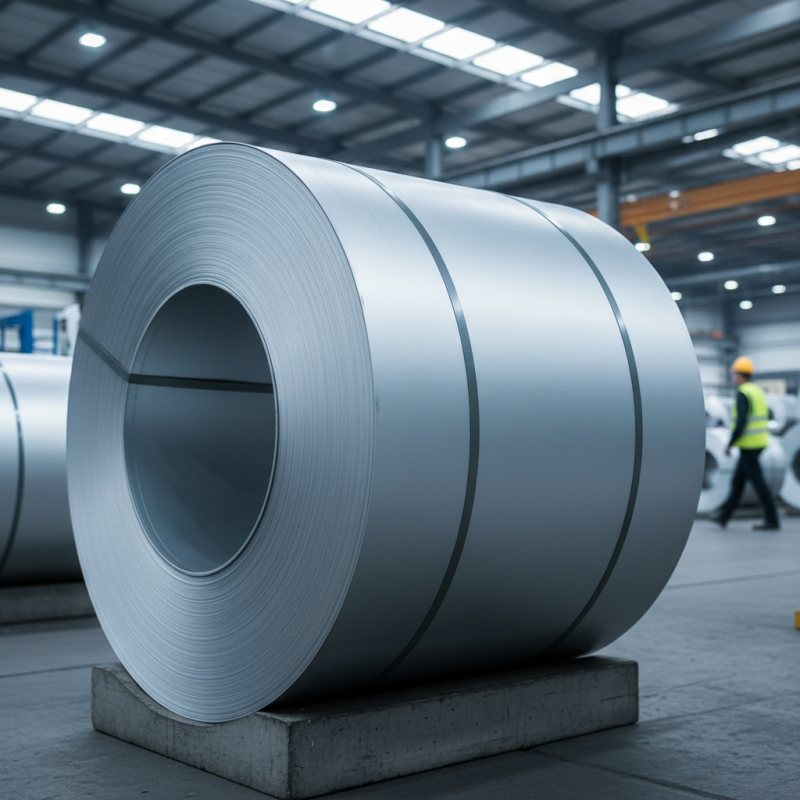
Cold rolled coils are vital in various industries. They are produced by rolling steel at room temperature, enhancing dimensional accuracy and surface quality. This process results in thinner gauges and tighter tolerances, which are beneficial for applications like automotive and construction.
According to a report by Research and Markets, the global cold rolled steel market is projected to reach USD 80 billion by 2026. Demand mainly comes from the automotive sector, where lightweight materials are essential for fuel efficiency. The unique properties of cold rolled coils, such as increased strength and improved surface finish, make them ideal for components like body panels and structural parts.
Choosing the right cold rolled coil requires understanding specifications and intended use. A reliable supplier can provide insights into thickness, width, and surface treatment options. However, not every option fits every project. Factors like environmental conditions and mechanical properties must be considered. It's crucial to evaluate these characteristics to avoid costly miscalculations down the line.
This bar chart illustrates the thickness of various cold rolled coils commonly used in manufacturing. The thickness is measured in millimeters (mm). The comparison helps in understanding the available options for different applications.
When selecting cold rolled coils for your project, the thickness of the material is crucial. Generally, thicker coils provide better structural integrity, while thinner ones offer increased flexibility. It's important to assess the requirements of your project carefully. Consider how the thickness impacts the final product. A mismatch can lead to structural failures.
The type of steel used is another significant factor. Different grades provide varying levels of durability and corrosion resistance. It's essential to understand the environment your finished product will face. Take into account factors like exposure to moisture or chemicals. This understanding will guide your selection process effectively.
Cost is also a key consideration. While it may be tempting to opt for the cheapest option, this could compromise quality. Always evaluate the long-term impact of your choice. Sometimes, spending slightly more can result in superior performance and longevity. It's worth reflecting on your selection criteria to avoid future issues.
Choosing the right cold rolled steel requires understanding its various grades. Cold rolled steel is defined by its manufacturing process, which enhances its surface quality and mechanical properties. Different grades are ideal for specific uses in construction, automotive, and other industries.
One key grade is Commercial Steel (CS), commonly used for automotive bodies. It's known for its excellent formability. Another grade, Drawing Steel (DS), offers improved ductility, making it suitable for deep-drawing applications. On the higher end, High Strength Low Alloy (HSLA) steel is favored for its strength and durability in demanding environments.
Selecting the appropriate grade can be challenging. Misjudging the requirements can lead to structural failure or increased costs. For example, using a lower-grade steel in high-stress situations may not withstand load demands. Therefore, carefully assessing the specific needs of your project is crucial. This ensures you choose the right material for lasting quality and performance.
| Grade | Yield Strength (MPa) | Ultimate Tensile Strength (MPa) | Elongation (%) | Common Applications |
|---|---|---|---|---|
| DC01 | 230 | 360 | 28 | Car body panels, furniture |
| SPCC | 270 | 380 | 35 | Electronics casings, appliances |
| CS (Commercial Steel) | 210 | 310 | 40 | Automotive parts, storage racks |
| DS (Deep Drawing Steel) | 280 | 420 | 35 | Cans, kitchenware |
| HSLAS (High-Strength Low-Alloy Steel) | 350 | 480 | 22 | Structural applications, frames |
Cold rolled coils are pivotal in several industries. In automotive manufacturing, for instance, these coils are extensively used to create body panels, automotive frames, and structural components.
According to a recent industry report, approximately 40% of cold rolled steel is consumed in the automotive sector. This high demand highlights the importance of selecting the appropriate coil for specific automotive applications, considering factors like strength and thickness.
The construction industry also relies on cold rolled coils. Buildings and infrastructures benefit from these coils in wall systems, roofing, and girders. A study by the Steel Construction Institute indicated that cold rolled products account for nearly 25% of the total steel used in construction projects. However, engineers must be cautious when choosing the right specifications. Mismatched thickness or inadequate tensile strength can lead to structural failures. Understanding the requirements of the project is thus essential.
Moreover, electrical appliances, furniture, and even home décor items utilize cold rolled coils. They are preferred for their aesthetic appeal and durability. However, some manufacturers occasionally overlook the quality of surface coatings, leading to corrosion issues over time. Evaluating the end-use environment is crucial. Testing results can reveal vulnerabilities that may not be apparent during initial assessments. Attention to detail and careful selection remain critical in ensuring longevity and performance across diverse applications.
When sourcing cold rolled coils, cost considerations play a significant role. The price of cold rolled steel can vary based on several factors, including thickness, quality, and surface finish. Understanding these aspects helps in making better purchasing decisions. A project with strict budget constraints may benefit from opting for standard grades, while high-end projects might require premium finishes.
Local suppliers often provide competitive pricing. However, exploring international options can yield better deals, especially for bulk purchases. Shipping costs can impact your overall budget, so it’s crucial to evaluate the total expense. Don’t overlook the supplier’s reliability and service quality. A low price might come with hidden costs in delays or material quality issues.
It’s worth reflecting on the long-term implications of your choice. Sometimes the cheapest option isn’t the best for quality or durability. Investing in better material can save money down the line by reducing maintenance and replacement costs. Comparing quotes from multiple suppliers is essential. Asking for samples can help assess quality in advance.
: Cold rolled coils are steel products created by rolling steel at room temperature, enhancing accuracy and surface quality.
They provide lightweight materials essential for fuel efficiency and are used for body panels and structural parts.
These coils are used in wall systems, roofing, and girders, supporting nearly 25% of total steel in construction projects.
Specifications like thickness, strength, and intended use should be evaluated. Environmental conditions are also crucial.
Consider the balance between cost and quality. Sometimes the cheapest option may not provide long-term durability.
Shipping costs can significantly impact the total expense. Evaluating the complete expense is critical for budget planning.
Quality surface coatings are vital. Some manufacturers overlook this, leading to potential corrosion over time.
Mismatched thickness or inadequate strength can cause structural failures.
Samples help assess quality before making a purchase, avoiding costly mistakes later on.
Comparing quotes allows for better decisions and ensures you get the best value for your investment.
Cold Rolled Coils are essential materials in various industries, characterized by their manufacturing process that results in a smooth, high-quality finish and closer tolerances compared to hot rolled products. Understanding the definition and applications of Cold Rolled Coils is crucial, as they are widely utilized in sectors ranging from automotive to construction. When selecting the appropriate coil for a project, key factors such as thickness, surface finish, and mechanical properties must be carefully considered.
Different grades of Cold Rolled Steel offer varying strength and flexibility, catering to specific project requirements. Additionally, various industries leverage these coils for diverse applications, highlighting their versatility. It’s vital to also weigh the cost considerations and sourcing tips to ensure the best investment. Ultimately, informed decision-making in selecting Cold Rolled Coils can significantly enhance the success of manufacturing processes and final products.