 SMSTEEL
SMSTEEL
SMSTEEL
Choosing the right galvanized steel electrical conduit begins with the installation environment, not the product label. Indoor walls, exposed rooftops, underground routes, and damp industrial rooms create different demands. Moisture, salt, chemicals, temperature changes, and physical impact can affect conduit performance over time.
Galvanized Steel Electrical conduit offers a durable metal pathway for protecting wires from crushing, abrasion, and accidental contact. Its zinc coating helps resist corrosion, but it is not a universal shield. A damaged thread, poorly sealed joint, or cut edge may become a weak point. Small details matter.
Field experience shows that conduit size, wall thickness, bend radius, fittings, and grounding continuity should be checked together. A larger size may simplify wire pulling and future maintenance. However, it can increase material cost and require more installation space. The cheapest option is not always economical.
Reliable selection also depends on recognized electrical standards, local inspection requirements, and the recommendations of qualified professionals. Product certificates, coating specifications, and manufacturer data deserve careful review. Do not rely on appearance alone.
A useful comparison should examine corrosion protection, mechanical strength, installation difficulty, and long-term service conditions. It should also consider whether workers can cut, thread, join, and inspect the conduit safely on site. Mistakes happen, even in experienced teams. That reality deserves honest attention.
This guide explains how to compare conduit types, sizes, finishes, fittings, and applications. It aims to support practical decisions rather than promote one product blindly. Measure the route carefully. Check the details twice.
What Is Galvanized Steel Electrical Conduit?
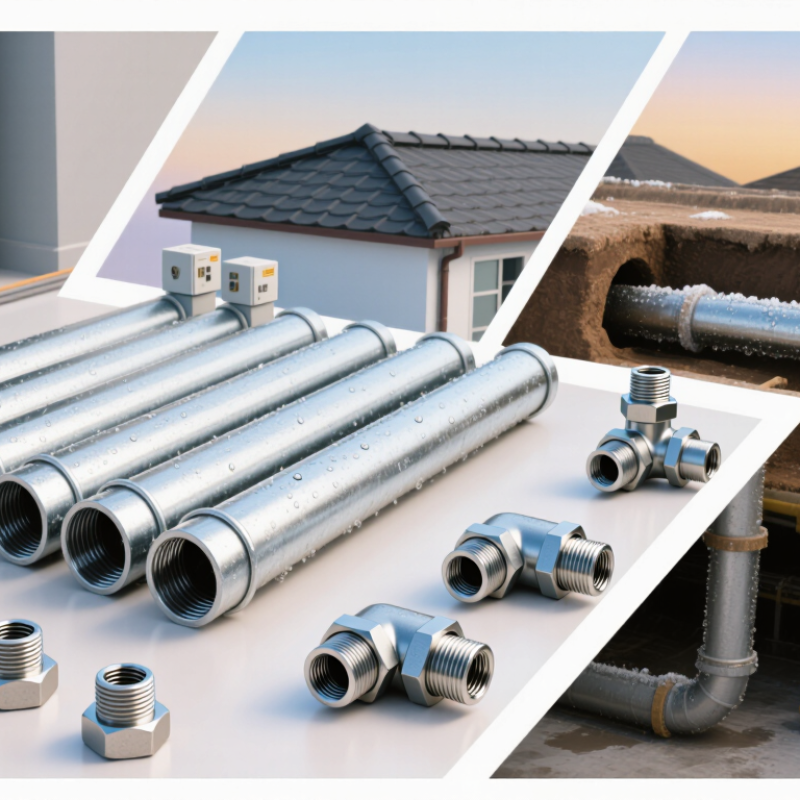
Galvanized steel electrical conduit is a steel tube protected by a zinc coating. This coating helps resist rust, moisture, and everyday mechanical damage. The conduit creates a protected pathway for electrical wires and cables. It also reduces the risk of crushing, abrasion, and accidental impact. It is not simply a metal tube. Its wall thickness, coating quality, and internal surface affect installation and long-term performance.
When choosing conduit, consider the installation environment first. Indoor dry spaces may need less corrosion protection than coastal, damp, or industrial areas. Check the conduit diameter against the number and size of conductors. Overfilling makes wire pulling difficult and can increase heat buildup. Threaded ends and fittings should match correctly, without forced connections. In field work, I have seen installers focus on price and overlook coating damage at cut edges. That mistake deserves more attention. Remove sharp burrs, protect exposed steel, and inspect every joint before pulling wires.
Tips: Confirm product markings, wall thickness, and corrosion resistance before purchase. Use compatible fittings and approved installation methods. A qualified electrician should verify local requirements. Keep conduit ends capped during storage; water and debris can enter quickly. Measure twice. Cutting twice wastes material.
| Evaluation Dimension | Galvanized EMT | Galvanized IMC | Galvanized RMC | Selection Guidance |
|---|---|---|---|---|
| What it is | Thin-wall galvanized steel tubing used to protect and route electrical conductors. | Intermediate metal conduit with a thicker wall than EMT and threaded ends. | Heavy-wall rigid steel conduit with threaded connections for demanding installations. | Choose the conduit type according to mechanical exposure, installation method, and required protection level. |
| Primary standards | ANSI C80.3; UL 797 | ANSI C80.6; UL 1242 | ANSI C80.1; UL 6 | Confirm the locally adopted electrical code and project specification before purchasing. |
| Typical connection method | Set-screw or compression fittings; generally not threaded. | Threaded fittings and couplings. | Threaded fittings and couplings. | Use fittings that match the conduit type, trade size, and installation environment. |
| Mechanical protection | Light to moderate protection; suitable where severe impact is unlikely. | Moderate to high protection; stronger than EMT. | Highest protection among the three options against impact and crushing. | Use RMC in locations exposed to heavy impact, severe physical damage, or structural hazards. |
| Common applications | Indoor commercial wiring, exposed wall runs, ceilings, and protected areas. | Industrial facilities, outdoor runs, service entrances, and areas requiring increased strength. | Heavy industrial sites, exposed outdoor installations, direct-impact areas, and service masts. | Match the conduit to the level of physical exposure and accessibility of the installation. |
| Example outside diameter | 1/2 in trade size: 0.706 in 1 in trade size: 1.163 in 2 in trade size: 2.083 in |
1/2 in trade size: 0.815 in 1 in trade size: 1.315 in 2 in trade size: 2.197 in |
1/2 in trade size: 0.840 in 1 in trade size: 1.315 in 2 in trade size: 2.375 in |
Trade size is nominal; verify actual dimensions when selecting fittings, supports, or penetrations. |
| Approximate wall thickness examples | 1/2 in: 0.042 in 1 in: 0.057 in 2 in: 0.065 in |
1/2 in: about 0.104 in 1 in: about 0.126 in 2 in: about 0.146 in |
1/2 in: about 0.104 in 1 in: about 0.133 in 2 in: about 0.154 in |
Actual dimensions can vary by applicable standard and size; use certified product data for final design. |
| Corrosion protection | Zinc coating helps protect the steel from atmospheric corrosion. | Zinc coating provides corrosion resistance with a stronger steel wall. | Zinc coating provides corrosion resistance and a durable rigid enclosure. | For salt spray, chemicals, moisture, or continuously wet locations, verify coating suitability and code requirements. |
| Installation effort | Usually easiest to cut, bend, and install; requires careful handling to avoid deformation. | Requires threading or threaded fittings; more labor than EMT. | Heavier and more labor-intensive; needs suitable threading, bending, and support equipment. | Consider labor availability, bending tools, installation time, and access conditions. |
| Electrical grounding function | The metallic raceway may serve as an equipment grounding conductor when installed correctly and permitted by code. | Can provide an equipment grounding path when joints and fittings are properly installed. | Provides a robust metallic grounding path when installed in accordance with the applicable code. | Ensure electrical continuity across couplings, fittings, bushings, and terminations. |
| Best choice when | The project needs a cost-effective, lightweight metallic raceway in a relatively protected location. | The project needs a balance between installation efficiency and stronger mechanical protection. | The installation requires maximum physical protection and a heavy-duty rigid raceway. | Select the smallest permitted trade size that provides adequate conductor fill, bending space, and future capacity. |
Dry indoor spaces may allow thinner conduit when impact risks are low. Workshops and warehouses need stronger protection from tools and falling materials. Outdoor runs must handle rain, condensation, and trapped water. Underground routes also depend on soil, drainage, and local code requirements.
Not always. Salt spray and chemical fumes can damage zinc protection over time. A compatible coating or another approved material may provide better resistance. Review the actual exposure, not just the product description.
Heat can affect cable ratings and conduit expansion on long runs. Cold conditions may make rigid conduit difficult to bend. Crowded ceilings require precise measurements. Every extra bend increases cable-pulling effort.
It can provide a grounding path when joints and fittings are installed correctly. Loose connectors, damaged threads, or heavy corrosion may interrupt continuity. Inspect cut ends, remove sharp edges, and test bonding with suitable equipment. Do not assume continuity.
Recheck clearances, support spacing, bending space, and maintenance access on site. Drawings may not show a low beam or crowded ceiling. Measure actual routes before purchasing materials. I would not rely on drawings alone.
Confirm the applicable location, voltage, inspection rules, and electrical code. Compare markings, wall thickness, thread dimensions, and test documentation. Different regions may use different conduit requirements. A qualified electrician should verify compatibility before purchase.
Compare more than the price per meter. Include couplings, elbows, connectors, cutting, threading, tools, and labor. Thicker conduit costs more but may reduce damage in exposed areas. A cheap pipe can become expensive after installation delays.
Inspect galvanizing for scratches and protect cut threads with an approved treatment. Prevent water from collecting inside horizontal runs. Review supplier records and inspection reports carefully. My earlier cost comparison ignored installation time, and that was a mistake.
Choosing the right Galvanized Steel Electrical conduit begins with understanding its structure, purpose, and suitability for protecting wires in residential, commercial, and industrial environments. The guide explains how different conduit types and sizes should match cable capacity, bending requirements, installation routes, and future expansion plans. It also highlights the importance of evaluating steel thickness, zinc coating uniformity, surface quality, corrosion resistance, and reliable fittings to ensure durable protection.
Installation conditions are equally important. Indoor, outdoor, underground, damp, chemically exposed, and high-traffic locations may require different levels of mechanical strength and corrosion protection. In addition, buyers should compare applicable electrical standards, connection methods, labor requirements, material costs, and maintenance needs rather than focusing only on the initial price. A properly selected conduit can improve wiring safety, simplify installation, reduce replacement risks, and deliver better long-term value.
