Cold Rolled Silicon Steel is a vital material in the modern manufacturing landscape. It is known for its unique magnetic and mechanical properties, making it essential for electrical applications. Dr. Emily Zhang, an expert in materials science, emphasizes its importance by stating, "Cold Rolled Silicon Steel is the backbone of many electrical devices."
This steel is primarily used in the production of transformers and electric motors. Its high permeability helps improve energy efficiency. The manufacturing process enhances its strength and magnetic capabilities. However, the production of Cold Rolled Silicon Steel is not without challenges. Quality control and cost management remain critical concerns.
Recent developments in production techniques are promising. New methods aim to reduce waste and sustain materials. Nonetheless, the industry's reliance on this steel poses risks. Market fluctuations and raw material availability can impact supply and pricing. At its core, Cold Rolled Silicon Steel is more than just a material; it reflects continuous innovation and adaptation in a competitive market.
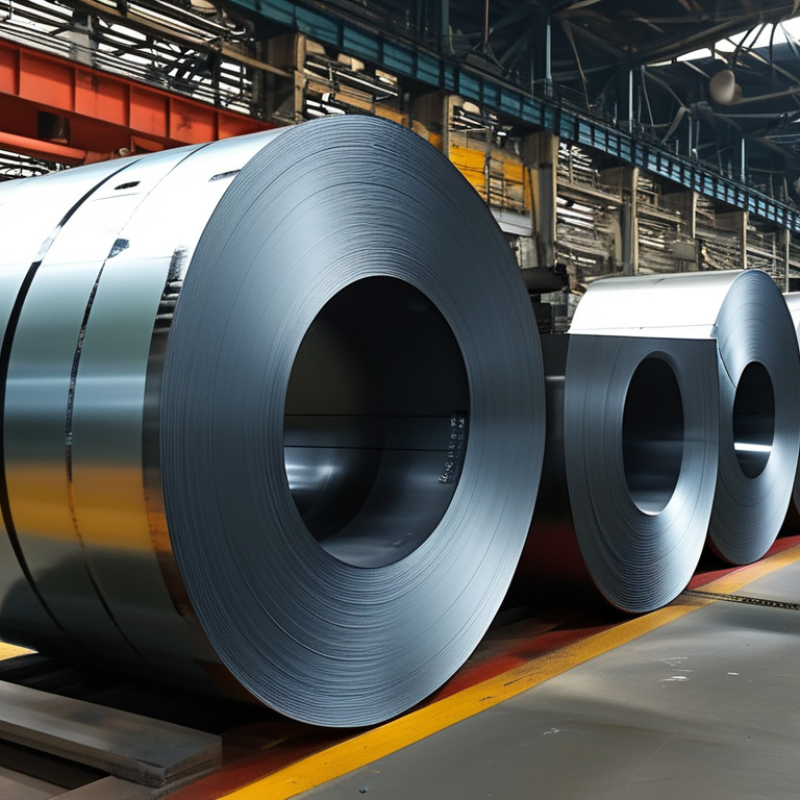
Definition and Characteristics of Cold Rolled Silicon Steel
Cold rolled silicon steel is an essential material in many industries. It is characterized by its high magnetic permeability and low hysteresis loss, making it ideal for electrical applications. The cold rolling process enhances surface finish and dimensional accuracy, resulting in sheets that are thinner and stronger than hot-rolled alternatives. This makes it more efficient for energy applications.
The production of cold rolled silicon steel involves specific techniques. The steel is annealed to improve its magnetic properties, which enhances its performance in transformers and generators. Its composition typically includes silicon, which increases electrical resistivity, further reducing energy losses. However, achieving the right balance of silicon content can be challenging. Too much can lead to brittleness, while too little may not yield the desired magnetic characteristics.
Applications are diverse, spanning automotive, aerospace, and energy sectors. In transformers, for instance, cold rolled silicon steel is crucial for reducing power losses. Many manufacturers strive for optimal material choice, but variations in production processes can lead to inconsistencies. Understanding these nuances is vital for engineers and designers when selecting materials for specific applications.
What is Cold Rolled Silicon Steel and Its Applications?
| Characteristic |
Description |
| Material Composition |
Iron, silicon (typically 0.5% to 3.0% silicon), and small amounts of carbon and manganese |
| Production Process |
Manufactured through cold rolling process of silicon steel slabs, followed by annealing |
| Magnetic Properties |
High magnetic permeability, low core loss |
| Thickness Range |
Typically between 0.3 mm to 3.0 mm |
| Applications |
Used in transformers, electric motors, generators, and inductors |
| Advantages |
Improved efficiency due to reduced energy losses and higher permeability |
| Drawbacks |
More expensive than standard steel due to higher processing costs |
Manufacturing Process of Cold Rolled Silicon Steel
Cold rolled silicon steel undergoes a meticulous manufacturing process that enhances its magnetic properties and overall performance. The initial step involves selecting high-quality iron ore, which is then subjected to smelting. This results in the production of molten iron, further refined to reduce impurities. Next, the steel is cast into slabs, which are then rolled at room temperature. According to recent industry reports, this cold rolling technique minimizes thickness while significantly increasing strength—making it ideal for electrical applications.
The rolling process is critical. It involves multiple passes through rollers, achieving precise thickness and surface smoothness. Post-rolling, the material undergoes annealing, which is essential for improving magnetic properties. The heat treatment facilitates the alignment of grains within the steel, enhancing performance in electrical transformers and motors. Notably, a study from Market Research Future indicates that the global cold rolled silicon steel market is projected to grow at a CAGR of 5% through 2027 due to rising demands in energy-efficient technologies.
Despite its advantages, challenges persist in the manufacturing of cold rolled silicon steel. Managing costs while maintaining quality is a common issue. Additionally, the environmental impact of steel production continues to raise concerns. As manufacturers strive for sustainability, innovations in recycling and alternative materials are gaining attention. These complexities highlight the need for ongoing improvement in processes and practices within the industry.
Common Applications of Cold Rolled Silicon Steel in Electronics
Cold rolled silicon steel is widely used in the electronics industry. This material has great magnetic properties and excellent electrical conductivity. In electric motors, transformers, and other magnetic applications, cold rolled silicon steel is essential. According to the latest industry reports, the market for silicon steel is projected to grow at a CAGR of 6.8% until 2025, driven by rising demand for energy-efficient technologies.
In consumer electronics, cold rolled silicon steel enhances performance. It helps reduce energy loss in devices like electric vehicles and wind turbines. The thin gauge of this material allows for compact designs, meeting the industry's need for efficiency. A report by the International Energy Agency mentions that improving the efficiency of electric engines could save up to 1,200 terawatt-hours annually.
However, the supply chain for cold rolled silicon steel faces challenges. Fluctuating raw material prices can hinder production costs. Additionally, strict environmental regulations on processing can limit the availability of high-quality silicon steel. Companies must adapt to these changes to maintain competitive advantages. Balancing cost and quality remains a critical challenge in the industry.
Common Applications of Cold Rolled Silicon Steel in Electronics
Advantages of Using Cold Rolled Silicon Steel in Energy Sector
Cold rolled silicon steel is essential in the energy sector due to its unique properties. This type of steel has superior magnetic characteristics, making it ideal for transformers and electric motors. The high silicon content enhances overall performance, leading to lower energy losses. This specific quality ensures more efficient operation in energy applications.
Using cold rolled silicon steel offers numerous advantages. It contributes to reduced weight in electrical equipment. This is crucial for industries seeking to minimize costs and energy consumption. Additionally, the smooth surface of this steel type allows for better insulation, improving overall efficiency. Despite its benefits, manufacturers sometimes face challenges in sourcing raw materials, affecting availability.
Cold rolled silicon steel is also more environmentally friendly. Its efficiency leads to lower greenhouse gas emissions during operation. However, there are limitations in production capacity that can hinder wider application. Businesses may need to evaluate these factors to maximize the use of this valuable resource. Understanding both benefits and challenges is crucial for innovation in the energy sector.
Future Trends in Cold Rolled Silicon Steel Development and Usage
The future of cold rolled silicon steel looks promising, driven by evolving market demands and technological innovations. Industry reports predict a steady growth in the global demand for electrical steel, expected to reach 30 million metric tons by 2025. This growth stems from the rising adoption of electric vehicles (EVs) and renewable energy sources requiring efficient magnetic materials. The shift towards sustainable solutions will further elevate the need for high-performance cold rolled silicon steel in various applications.
Advancements in manufacturing processes are crucial. Techniques such as advanced heat treatment and precise alloy composition are transforming the quality of end products. However, the challenge remains to balance cost and performance. Many manufacturers are exploring the use of alternative materials, but cold rolled silicon steel still reigns supreme for many applications due to its magnetic properties and efficiency.
Tip: When considering cold rolled silicon steel for projects, assess the total lifecycle cost. Longevity and performance can significantly affect overall investment. Keeping an eye on regulatory changes is essential, as they can impact production methods and standards in the near future. Investing in research and development is key; innovation can lead to breakthroughs that enhance performance and sustainability. Be proactive in exploring new technologies and approaches to stay ahead in the competitive landscape.
FAQS
: Cold rolled silicon steel is a material known for high magnetic permeability and low hysteresis loss. It's used in electrical applications.
The production involves annealing to improve magnetic properties. It includes silicon for increased electrical resistivity, reducing energy losses.
Applications include automotive, aerospace, and energy industries. It's particularly important in transformers for minimizing power losses.
It offers superior magnetic characteristics and low energy losses. This leads to more efficient operation in electric motors and transformers.
Sourcing raw materials can be challenging, affecting availability. Additionally, achieving the right silicon content is often difficult.
The demand is expected to grow due to the rise of electric vehicles and renewable energies, requiring efficient magnetic materials.
Evaluate the total lifecycle cost. Longevity and performance significantly affect overall investment decisions.
Yes, its efficiency results in lower greenhouse gas emissions during operation, making it more environmentally friendly.
Techniques are improving, such as advanced heat treatment. However, balancing cost and performance remains a challenge.
Regulatory changes may impact production methods. Staying informed about these changes is essential for successful applications.
Conclusion
Cold Rolled Silicon Steel is a specialized steel product known for its superior magnetic properties and high electrical resistivity, making it ideal for a variety of applications, particularly in the electronics and energy sectors. The manufacturing process involves intricate techniques that enhance the material's performance, contributing to its effectiveness in transformers, electric motors, and other devices requiring efficient magnetic materials.
The use of Cold Rolled Silicon Steel offers significant advantages, such as improved energy efficiency and reduced noise in electrical applications. As industries continue to advance, future trends indicate a growing demand for this material, driven by the need for sustainable energy solutions and high-performance electronic components. This evolution underscores the importance of Cold Rolled Silicon Steel in modern manufacturing and technology.
 SMSTEEL
