SMSTEEL SMSTEEL

What Are Galvalume Coils and How Are They Used?

Time:2026-10-23 Author:Aria
0%

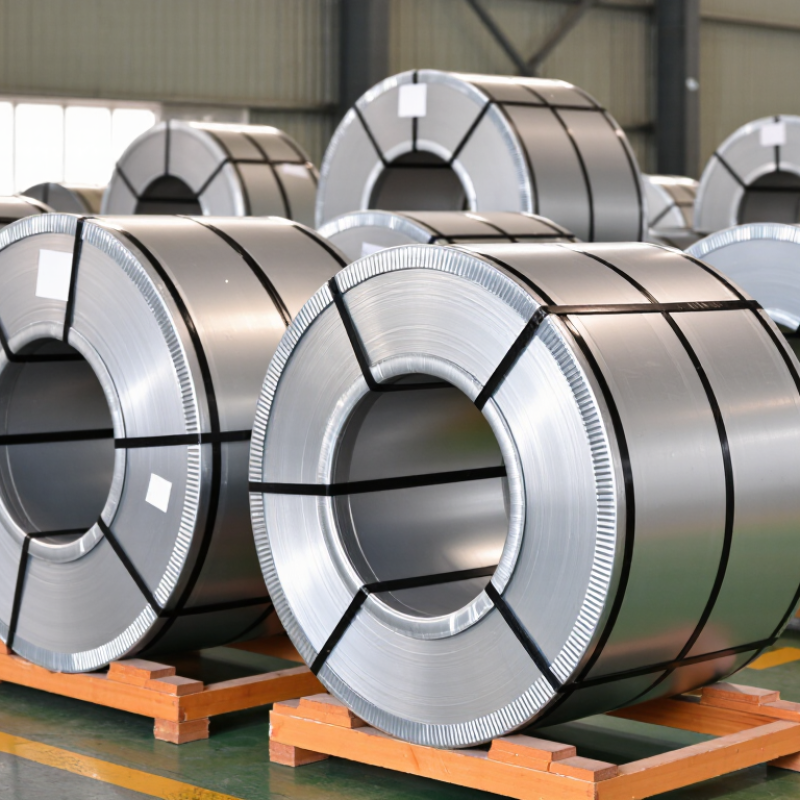
Galvalume Coils are steel coils coated with an aluminum, zinc, and silicon alloy. This metallic layer helps protect the steel core from moisture, oxidation, and everyday weather exposure. The result is a bright, smooth material with a distinctive silver appearance. It is widely selected for roofing panels, wall cladding, gutters, HVAC components, and certain automotive applications.

In practice, manufacturers slit, level, and roll-form Galvalume Coils into finished products. Roofing contractors may handle the material on hot, windy job sites, where surface scratches and cut edges require careful attention. Proper storage also matters. Coils should remain dry and separated from standing water, because trapped moisture can cause staining or premature surface damage. Small installation details matter.

The coating offers strong corrosion resistance, but it is not an unlimited shield. Performance depends on coating thickness, forming methods, local climate, and contact with other metals. Coastal salt exposure can create different risks than a dry inland environment. Technical datasheets, coating specifications, and applicable building standards should guide material selection. Experienced suppliers can also explain minimum bend radii, paint compatibility, and expected service conditions.

That description is useful, but incomplete.

A reliable evaluation should compare cost, appearance, fabrication needs, and maintenance expectations. Galvalume Coils may outperform some traditional coated steels in suitable environments, yet they are not the best choice for every project. Understanding their structure and practical limitations helps engineers, fabricators, and buyers make decisions based on evidence rather than appearance alone.
What Are Galvalume Coils and How Are They Used?

What Galvalume Coils Are: 55% Aluminum, 43.4% Zinc, and 1.6% Silicon

What Are Galvalume Coils and How Are They Used?

Galvalume coils are steel coils protected by a metallic coating containing 55% aluminum, 43.4% zinc, and 1.6% silicon. These percentages are measured by coating weight. The chemistry is deliberate, not decorative. Aluminum creates a dense barrier that slows moisture and oxygen. Zinc provides sacrificial protection when small scratches expose the steel. Silicon helps control the alloy layer during hot-dip coating. This improves adhesion during later forming.

In a coating line, molten alloy covers cleaned and heated steel strip. Rollers then control the coating thickness before the strip cools and becomes a coil. This detail matters. Specifications should identify coating mass, steel grade, thickness, and surface finish. A heavier coating is not automatically better for every application. Forming requirements still matter.

Roof panels, wall cladding, agricultural buildings, ventilation parts, and some appliance components commonly use these coils.

Their bright, fine-spangled surface reflects heat and offers useful atmospheric corrosion resistance. However, performance depends on the environment. Constantly wet areas, trapped moisture, alkaline materials, and direct contact with dissimilar metals can cause problems. Cut edges also deserve attention. Zinc can protect exposed steel, but protection is not unlimited.

A frequent mistake is assuming the coating makes the sheet maintenance-free. That assumption is too simple. Scratches, bends, and poorly designed overlaps should be inspected before installation.

How Continuous Hot-Dip Coating Meets ASTM A792 and AZ50–AZ55 Classes

Galvalume coils are flat steel sheets protected by an aluminum-zinc-silicon coating. Their value begins with continuous hot-dip coating, not with appearance alone. The steel strip is cleaned, annealed, and passed through a molten metal bath. Air knives then control the coating thickness before the surface solidifies.

ASTM A792 defines requirements for this coated sheet. AZ50 and AZ55 identify coating classes by the total coating weight on both sides. AZ55 provides a heavier coating than AZ50, which can support longer protection in demanding environments. The alloy usually contains about 55% aluminum, 43% zinc, and a small amount of silicon. This structure helps aluminum create a stable barrier, while zinc offers protection around minor scratches.

Process control matters. Line speed, bath temperature, strip tension, and air-knife pressure can change the final coating. A small variation may affect forming, painting, or corrosion performance. It is easy to focus only on the AZ designation. That is a mistake. Buyers should also verify steel grade, thickness tolerance, surface condition, edge quality, and test results.

In fabrication, Galvalume coils are commonly roll-formed into roofing panels, wall cladding, drainage parts, and light structural components. Cutting edges deserve attention. They may need suitable design protection in wet or aggressive service. AZ50 may fit moderate exposure, while AZ55 can be considered when additional coating mass is useful. The choice is not automatic. Actual service conditions should guide it.

Why Aluminum-Rich Coatings Provide Up to 2× Corrosion Protection

Galvalume coils are steel sheets coated with an aluminum-rich alloy, commonly containing about 55% aluminum, 43.4% zinc, and 1.6% silicon by weight. This composition follows ASTM A792/A792M specifications. During production, the coating forms a thin aluminum-oxide barrier. It also uses zinc to protect exposed steel edges through sacrificial action.

That combination explains the “up to 2×” corrosion protection claim. Industry field studies summarized by the European General Galvanizers Association report longer service performance for aluminum-rich coatings than conventional zinc coatings in many atmospheric environments. The advantage is strongest on roofing and wall panels exposed to moisture, sunlight, and industrial pollutants. Aluminum resists surface oxidation, while zinc continues protecting small scratches. A quiet, layered defense.

However, two times is not a universal constant. Coastal salt, trapped water, cut edges, and poor drainage can reduce the difference sharply. The NACE IMPACT study estimated global corrosion costs at about 3.4% of worldwide GDP, showing why coating selection deserves engineering attention. In practical fabrication, I would inspect bends, fasteners, and cut edges rather than trust coating chemistry alone. Galvalume coils suit roofs, siding, agricultural buildings, HVAC components, and light structural panels. They perform best when profiles shed water quickly and installation avoids deep scratches. Surface details matter more than brochures suggest.

What Are Galvalume Coils and How Are They Used? - Why Aluminum-Rich Coatings Provide Up to 2× Corrosion Protection

Data Dimension Typical Information Why It Matters
Material definition Galvalume coil is carbon steel sheet continuously coated with an aluminum-zinc alloy containing approximately 55% aluminum, 43.4% zinc, and 1.6% silicon by weight. The steel substrate supplies strength, while the metallic coating improves resistance to atmospheric corrosion.
Coating structure The coating forms an aluminum-rich barrier layer with zinc-rich areas that provide localized sacrificial protection when the surface is scratched. The combination of barrier protection and sacrificial action helps slow corrosion at exposed areas.
Corrosion protection Under suitable atmospheric conditions, aluminum-rich coatings can provide up to approximately 2× the corrosion protection of conventional zinc-coated steel, depending on coating thickness, environment, and test method. The 2× figure is a comparative upper-range claim, not a guaranteed service-life multiplier for every application.
Heat resistance Galvalume coatings generally retain useful performance at continuous temperatures around 315°C, subject to the steel grade, coating condition, and service environment. This makes the material suitable for many roofing, cladding, and equipment applications exposed to elevated temperatures.
Common coating designations Common mass designations include AZ50, AZ55, AZ70, and AZ150, where the number generally represents total coating mass in g/m² for both sides. A higher coating mass usually improves durability, although forming, exposure, edge condition, and maintenance also affect performance.
Typical steel thickness Commercially supplied thicknesses commonly range from about 0.25 mm to 2.00 mm, depending on the product specification and intended use. Thickness selection affects structural capacity, weight, forming behavior, and total material cost.
Surface finish The surface is typically supplied with a smooth or regular spangle appearance and may be bare, passivated, or further coated with paint. Surface treatment influences appearance, storage stability, paint adhesion, and resistance to handling marks.
Formability Galvalume coil can be roll-formed, bent, and stamped when the selected steel grade and bend radius are appropriate. Sharp bends and excessive forming can damage the coating, so fabrication parameters should be controlled.
Welding considerations Resistance welding and other joining methods are possible, but the coating can affect electrode wear, heat input, fumes, and weld quality. Welding procedures should be qualified for the coating mass, steel grade, joint design, and required strength.
Primary applications Common uses include roofing panels, wall cladding, structural decking, agricultural buildings, ventilation systems, garage doors, and appliance components. These applications benefit from a combination of low maintenance, formability, lightweight construction, and weather resistance.
Atmospheric performance Performance is generally strong in rural and many urban environments, but it varies with humidity, pollutants, salt exposure, temperature, and drainage design. Site-specific exposure assessment is necessary before selecting a coating mass for coastal, industrial, or high-humidity locations.
Limitations Galvalume is not universally recommended for constant immersion, severe alkaline or acidic conditions, or direct contact with incompatible materials such as wet concrete or copper-bearing metals. Correct detailing, separation of dissimilar metals, ventilation, and protection of cut edges help prevent premature corrosion.
Selection checklist Confirm steel grade, thickness, coating mass, surface treatment, forming requirements, joining method, exposure category, and applicable material standard. A complete specification helps balance corrosion resistance, structural performance, appearance, fabrication needs, and lifecycle cost.

Note: Actual service life depends on coating mass, design details, climate, pollutant levels, maintenance, and exposure conditions.

How Galvalume Coil Thickness and Width Guide Fabrication Choices

Galvalume coils are flat steel sheets coated with aluminum, zinc, and a small amount of silicon. The coating helps resist heat, moisture, and surface corrosion. Fabricators use these coils for roofing panels, wall cladding, gutters, ducts, and light structural components. However, thickness and width often matter more than the coating description.

A 0.40 mm coil suits lightweight roofing and simple profiles. It reduces material use, but it can show dents and oil-canning more easily. A 0.60 mm coil offers greater stiffness for long-span panels, deeper ribs, and repeated handling. It also demands stronger roll-forming equipment and more careful bending control. Thickness changes the bend radius, springback, fastener grip, and final panel weight. Thin material is not automatically economical.

Width guides the entire fabrication plan. A 1,000 mm coil may fit narrow panels and reduce trimming waste. Wider coils can produce larger covers, but they require suitable decoilers, guides, and slitting capacity. Check the coil width against the finished profile, side laps, and cutting allowance. Small errors become visible along a long roof edge. The neatest calculation can still fail when tooling tolerance is ignored. In practice, fabricators should test a short sample, inspect the bends, and confirm the actual coating and base-metal thickness before full production. Temperature, storage conditions, and handling also deserve attention. A good specification is useful, but it should remain open to correction.

What Are Galvalume Coils and How Are They Used?

Typical galvalume coil thickness and width selections for common fabrication applications. Thickness affects stiffness, forming behavior, and load capacity, while coil width is selected to match the finished profile and the roll-forming or slitting line.

These representative nominal values are commonly encountered in fabrication: lighter gauges suit roofing and cladding, medium gauges support ducting and formed panels, and heavier gauges are preferred for framing components. Actual specifications depend on design loads, forming equipment, coating requirements, and applicable standards.

Where Galvalume Coils Are Used: Roofing, Siding, HVAC, and Appliances

Galvalume coils are carbon-steel sheets coated with approximately 55% aluminum, 43.4% zinc, and 1.6% silicon by coating mass. This composition follows the technical framework of ASTM A792/A792M. Aluminum supports barrier protection, while zinc helps protect exposed edges through sacrificial action. The U.S. Geological Survey reported about 12 million metric tons of global zinc mine production in 2023, showing the scale of a key coating input. Still, coating quality matters more than chemistry alone.

Roofing remains a major application. Roll-formed panels, standing-seam systems, and concealed-fastener sheets use Galvalume for weather resistance and long service potential. Pale metallic surfaces can also reflect sunlight from low-slope roofs. Siding panels use the same material, especially where clean lines and reduced repainting are important. Small scratches are not harmless. Cut edges, fastener holes, and trapped moisture need careful detailing.

HVAC manufacturers use Galvalume sheet for selected cabinets, outdoor panels, flue components, and ductwork exposed to changing temperatures. Appliance producers use it for housings, interior panels, and water-heating equipment. World Steel Association data recorded 1.89 billion tonnes of crude steel production in 2023, supporting the broad supply base behind these products. Yet Galvalume is not automatically suitable everywhere. Coastal salt, alkaline concrete dust, and poor ventilation can shorten performance. That limitation is easy to overlook.

FAQS

What are Galvalume coils made of?

They are steel coils coated with about 55% aluminum, 43.4% zinc, and 1.6% silicon. These percentages describe coating weight.

How does the coating protect steel?

Aluminum forms a dense barrier against moisture and oxygen. Zinc offers sacrificial protection when small scratches expose the steel.

Where are Galvalume coils commonly used?

Common uses include roofing, wall cladding, gutters, ducts, ventilation parts, and appliance housings. Some agricultural buildings also use them.

How does coil thickness affect fabrication?

A 0.40 mm coil suits lightweight roofing and simple profiles. A 0.60 mm coil provides more stiffness for long spans and deeper ribs.

Is thinner coil material always more economical?

No. Thin material uses less metal but may dent, oil-can, or bend unexpectedly. Repairs and rejected panels can erase the saving.

Why is coil width important?

Width must match the finished profile, side laps, and cutting allowance. A small error can appear along an entire roof edge.

What should fabricators check before full production?

Test a short sample first. Inspect bends, springback, coating thickness, and actual base-metal thickness. Tooling tolerance can still cause trouble.

Can Galvalume coils be used in every environment?

No. Constant moisture, trapped water, alkaline dust, and direct contact with dissimilar metals may reduce performance. It is not a magic shield.

Do Galvalume coils require maintenance?

They still need inspection. Check scratches, cut edges, fastener holes, bends, and poorly designed overlaps before and after installation.

What details should a coil specification include?

Include coating mass, steel grade, thickness, width, and surface finish. The specification should remain open to correction after sample testing.

Conclusion

Galvalume Coils are steel coils protected by a metallic coating made of approximately 55% aluminum, 43.4% zinc, and 1.6% silicon. Produced through a continuous hot-dip coating process, they can meet ASTM A792 requirements and are commonly supplied in AZ50 to AZ55 coating classes. The aluminum-rich surface forms a durable barrier that can provide up to twice the corrosion protection of conventional zinc-coated steel in suitable environments, helping extend service life while maintaining a clean, reflective appearance.

Coil thickness and width are important factors when selecting Galvalume Coils for fabrication. Thinner gauges may support easier forming and efficient material use, while thicker gauges can offer greater strength and rigidity. Width should match the planned cutting, bending, or roll-forming process to reduce waste. These coils are widely used in roofing and siding, as well as HVAC components, appliance panels, and other applications requiring a balance of corrosion resistance, durability, formability, and cost efficiency.

Aria

Aria

Aria is a dedicated marketing professional with a deep passion for innovative strategies and a keen understanding of our company's product offerings. With a wealth of experience in the industry, Aria excels at crafting engaging content that highlights the unique features and benefits of our......