 SMSTEEL
SMSTEEL
SMSTEEL
Buying Silicon Electrical Steel Coils in 2026 will require more than comparing prices per metric ton. Buyers must examine grade, thickness, coating, width tolerance, magnetic loss, and supply reliability. A coil may look bright and uniform, yet perform poorly after stamping. Small differences matter. Especially in high-efficiency transformers and electric vehicle motors.
Professor David C. Jiles, a recognized expert in magnetic materials, has stated, “The magnetic properties of materials are determined by their structure and composition.” This principle remains practical for procurement decisions. Silicon content, grain orientation, annealing quality, and processing history can influence core loss and permeability. Ask suppliers for recent mill test certificates, full technical datasheets, and independent inspection records. Do not rely on attractive product photographs.
The 2026 market may bring changing energy standards, regional production shifts, and tighter delivery schedules. Buyers should compare total cost, not only the quoted coil price. Include slitting fees, freight, customs, storage, and rejection risks. Check whether the supplier can provide trial coils before signing a large contract. That step may feel slow. It can prevent expensive production interruptions.
A dependable purchasing process also requires clear specifications. State the required grade, nominal thickness, maximum core loss, coating type, coil weight, inner diameter, and edge condition. Confirm packaging for moisture protection during ocean transport. One weakness remains common: buyers sometimes accept incomplete test data under schedule pressure. That choice deserves reconsideration. Reliable Silicon Electrical Steel Coils should be evaluated through documented performance, traceable manufacturing, and realistic application testing.
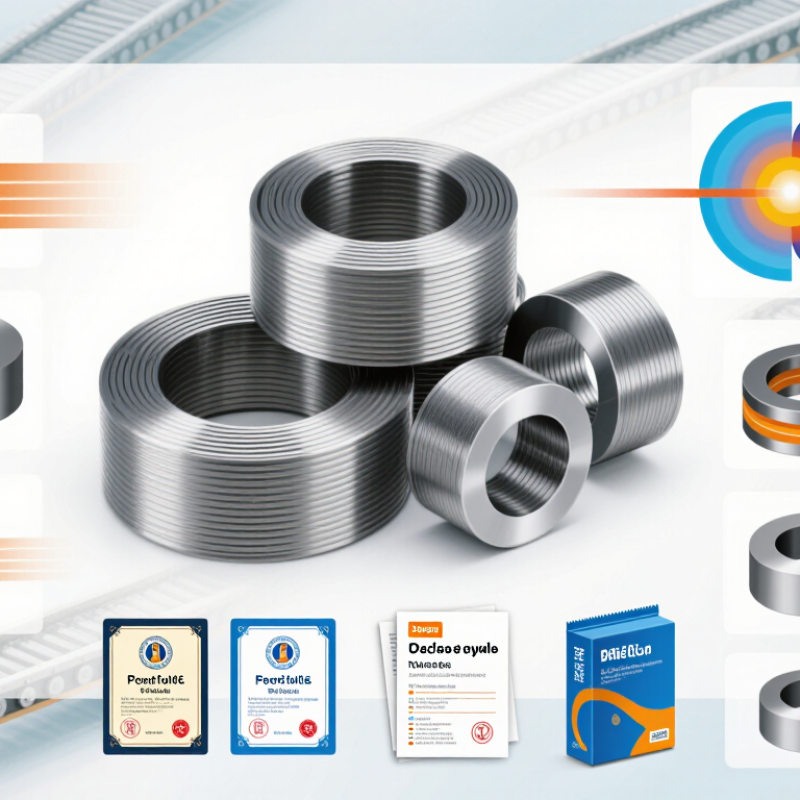
Silicon electrical steel coils are thin, coated steel strips designed to guide magnetic flux with limited energy loss. Their silicon content increases electrical resistance, while controlled rolling improves grain structure and magnetic performance. These properties support transformers, motors, generators, and compact power equipment. The coil is not ordinary sheet steel. During alternating-current operation, it helps reduce eddy-current heating inside the magnetic core. Grade selection depends on frequency, flux density, core shape, and permitted losses.
A transformer core may prioritize low no-load loss, while a motor often needs strength during stamping and rotation. Grain-oriented material suits directional transformer flux. Non-oriented material performs more consistently around rotating motor paths. Coating quality also deserves attention. It separates laminations and protects insulation during stacking. Ask for tested data, including core loss, permeability, thickness tolerance, and coating insulation resistance. Request samples before purchasing large coils. A clean edge matters. Burrs can damage insulation and create local hot spots after punching.
For 2026 purchasing, compare the complete processing route, not only the quoted price. Confirm slit width, coil weight, inner diameter, packaging, traceability, and delivery tolerances in writing. I have seen specifications look excellent until stamping revealed excessive burrs or unstable dimensions. That experience is easy to overlook. Ask how testing is performed and whether results represent the supplied lot. No single grade fits every design. A small trial can expose noise, heat, and scrap problems before production scales.
It guides magnetic flux with limited energy loss. Common uses include transformers, motors, generators, and compact power equipment. It is not ordinary sheet steel.
Silicon increases electrical resistance inside the steel. This helps reduce eddy-current heating during alternating-current operation. Controlled rolling also improves grain structure and magnetic behavior.
Grain-oriented material suits transformers with mainly directional magnetic flux. Non-oriented material performs more consistently in rotating motor paths. The wrong choice can increase heat and noise.
Request core loss, permeability, thickness tolerance, and coating insulation resistance. The data should match the actual frequency and magnetic flux density. Generic figures may mislead.
The coating separates stacked laminations and protects insulation during assembly. Poor coating can create electrical contact between layers. That may produce local heating.
Confirm slit width, coil weight, inner diameter, packaging, traceability, and delivery tolerances. Put every measurement in writing. Small details matter.
Inspect the coil edge for burrs before production. Burrs can damage insulation during punching and create local hot spots. A small trial may reveal unstable dimensions, noise, heat, and excess scrap.
Compare complete processing routes, not only quoted prices. Separate grade, coating, tolerances, slitting, packaging, freight, and payment terms. A cheap offer may hide higher losses.
Ask for recent mill test certificates and samples from the supplied lot. Confirm annual output, monthly available volume, annealing capability, minimum order quantity, and lead time. Certificates alone are not enough.
Include inspection rights, rejection limits, replacement procedures, and delivery tolerances. Ask whether test results represent the actual production lot. No audit is perfect. I may be overly cautious, but stable specifications usually matter more than a small discount.
Buying Silicon Electrical Steel Coils in 2026 requires a clear understanding of their magnetic properties, common applications, and performance requirements. Start by identifying the appropriate grade, thickness, width, and surface finish according to the intended equipment and operating conditions. These specifications influence energy efficiency, core losses, processing compatibility, and overall product reliability.
A careful purchasing process should also include evaluating suppliers’ certifications, manufacturing capabilities, production capacity, lead times, and pricing transparency. Compare quotations on an equal specification basis, request technical documents and samples when appropriate, and verify quality through inspection before placing an order. After confirmation, plan shipping schedules, packaging requirements, receiving inspections, and suitable storage conditions to prevent damage, corrosion, or deformation. For stable production and predictable costs, buyers should maintain clear communication with suppliers and consider long-term supply arrangements based on consistent quality and delivery performance.
