SMSTEEL
Sourcing Cold Rolled Coil (CRC) for global procurement is crucial for numerous industries. The demand for CRC is expected to rise, driven by automotive and construction sectors. According to a 2022 report by MarketsandMarkets, the global Cold Rolled Steel market was valued at USD 410 billion and is projected to grow at a CAGR of 4.6% until 2027.
Cold Rolled Coil offers unique properties, such as enhanced surface finish and improved mechanical strength. However, sourcing it effectively remains a challenge. Global buyers often encounter issues related to supplier reliability and material consistency. A study from Smithers Pira highlights that 20% of manufacturers reported quality issues with their supplies, leading to production delays.
Navigating this landscape requires regional insights and relationships. Understanding local regulations and market nuances is essential for successful procurement. Moreover, the ability to adapt and learn from past sourcing experiences can enhance future strategies. Engaging with trusted suppliers and leveraging industry reports will optimize sourcing efforts for Cold Rolled Coil, ultimately supporting businesses in achieving their production goals.
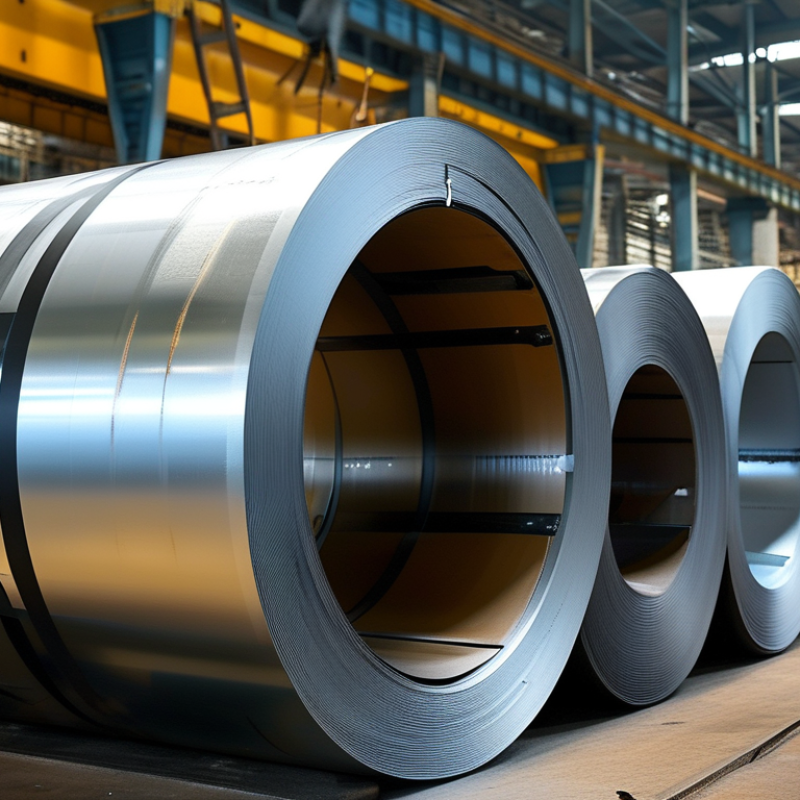
Cold rolled coil (CRC) is a vital material in various industries. It is created by further processing hot rolled steel, resulting in a smoother, and more precise finish. This material is often used in manufacturing automobiles, appliances, and furniture. Its strength and formability make it essential for creating high-quality products.
In construction, CRC offers excellent durability. It is widely utilized in metal framing and roofing. The thin gauge of the coils allows for flexibility in design. However, sourcing cold rolled coil can be challenging. Market fluctuations affect both availability and pricing. Many manufacturers face a constant struggle to find reliable suppliers.
When sourcing CRC, consider local suppliers to minimize transportation costs. Check the quality certifications of the coils. Improper sourcing may lead to defects in final products. This impacts production schedules and leads to increased costs. Building relationships with suppliers can yield better deals and reliable delivery. Reflecting on past sourcing experiences is crucial for success.
When sourcing cold rolled coil for global procurement, identifying reliable suppliers is crucial. It starts with comprehensive research. Look for suppliers who have a proven track record in the industry. Trade shows and online platforms can provide a wealth of information. Visits to manufacturing facilities add valuable insights.
Checking references is important. Reach out to previous clients to gauge their experiences. Reliable suppliers should have transparent communication. Timely responses can be a good indicator of their dedication. Don't hesitate to ask for certifications or quality assurance processes. Each document can reveal a supplier's commitment to standards.
Building relationships with suppliers fosters trust. However, relationships can sometimes cloud judgment. A supplier might present well on paper but fail deliverables. Monitor performance regularly to ensure reliability. It’s beneficial to stay agile, ready to pivot suppliers if necessary. Understanding the intricacies of the supply chain is an ongoing journey that requires diligence.
| Supplier Location | Annual Production Capacity (Tons) | Lead Time (Days) | Quality Certifications | Customer Rating (1-5) |
|---|---|---|---|---|
| North America | 500,000 | 30 | ISO 9001, API | 4.5 |
| Europe | 700,000 | 25 | ISO 14001, OHSAS 18001 | 4.7 |
| Asia | 1,200,000 | 20 | ISO 9001, TS 16949 | 4.8 |
| South America | 300,000 | 35 | ISO 9001 | 4.2 |
| Africa | 200,000 | 40 | ISO 9001 | 4.0 |
When sourcing cold rolled coil (CRC) for global procurement, understanding quality standards is essential. A report from the World Steel Association highlights that around 30% of production costs are influenced by material quality. Ensuring that your suppliers meet stringent specifications can help mitigate risks associated with defects and inconsistencies.
Quality standards like ASTM A1008 are crucial for CRC. This specification outlines the requirements for cold rolled carbon steel sheet products. Adhering to these standards ensures that the material possesses the required strength, elongation, and surface quality. However, not all suppliers may fully comply with these norms, leading to potential issues during production.
Monitoring and evaluating supplier practices is vital. Reports indicate that 15% of suppliers fail basic quality assessments. Selecting suppliers with established quality management systems can enhance the reliability of your procurement process. Regular audits and third-party inspections can further reinforce quality compliance. While aiming for high standards, it’s also necessary to recognize that not every supplier may meet them consistently, demanding a reflective approach in the procurement journey.
Negotiating terms and pricing for cold rolled coil procurement requires careful consideration. Understand market trends and pricing fluctuations. Keep in mind that the price can vary significantly based on demand and raw material costs. Research potential suppliers and their pricing strategies. Knowing your budget is crucial.
Tips: Always ask for multiple quotes. This allows for better negotiation. Establish a clear understanding of payment terms upfront. This can help avoid misunderstandings later. Transparency fosters trust and ensures both parties are aligned.
Communication is vital during negotiations. Articulate your needs clearly. Yet, be open to feedback from suppliers. It can lead to better solutions. Don't settle for the first offer. An analysis of multiple proposals can reveal hidden savings. Reflect on what terms truly matter to your operations. Negotiate with both firmness and flexibility. Make sure the relationship remains professional.
When sourcing cold rolled coil for global procurement, logistics and supply chain considerations play a crucial role.
Establishing reliable transportation routes is vital. Frequent delays can occur due to customs regulations and port congestion.
Understanding the local logistics landscapes can help mitigate risks. It’s important to assess the
distributors’ warehousing capabilities to ensure timely delivery.
Communication with suppliers is essential. Misunderstandings can lead to costly mistakes.
Keeping an open dialogue can enhance operational efficiency. Moreover, it’s necessary to evaluate your
supply chain’s flexibility. Some suppliers may require longer lead times, while others may offer just-in-time inventory solutions.
Each approach has pros and cons that require careful consideration.
Lastly, reflecting on your sourcing strategy can uncover areas for improvement. Are you utilizing technology effectively?
Investing in logistics management tools may provide better visibility. Ultimately, building relationships with logistics partners
can strengthen your global procurement efforts. Investing time in these considerations often yields better outcomes.
: Start with thorough research and check their industry track record. Trade shows are great for insights.
Reach out to previous clients and check their experiences. Transparent communication is key for reliable suppliers.
Quality impacts production costs significantly. Adhering to standards reduces risks of defects and inconsistencies.
ASTM A1008 outlines requirements for cold rolled carbon steel sheets, ensuring strength and surface quality.
Regular audits and third-party inspections can reinforce compliance. Not all suppliers meet quality standards consistently.
Understand market trends and ask for multiple quotes. This helps in better negotiation outcomes and savings.
Establish clear payment terms early to avoid misunderstandings later. Transparency is essential for trust.
Articulate needs clearly but be open to feedback. This can lead to better solutions for both parties.
No, analyze multiple proposals. It’s common to find hidden savings by considering different offers.
Negotiate firmly yet flexibly, keeping the relationship professional. Reflect on what terms are critical for operations.
The article "2026 How to Source Cold Rolled Coil for Global Procurement?" provides a comprehensive guide on sourcing Cold Rolled Coil, an essential material in various industrial applications. It begins by explaining the characteristics and uses of Cold Rolled Coil, highlighting its importance in manufacturing and construction. The article then emphasizes the need to identify reliable suppliers, stressing the significance of evaluating quality standards and specifications to ensure that the sourced materials meet industry requirements.
Furthermore, the piece delves into effective negotiation strategies for securing favorable terms and pricing, which is crucial for cost-effective global procurement. Lastly, it addresses logistics and supply chain considerations, offering insights into efficient transportation and handling practices for Cold Rolled Coil. This structured approach aims to equip procurement professionals with the necessary tools to successfully navigate the complexities of sourcing Cold Rolled Coil in a global market.
