
SMSTEEL
Sourcing quality Electrical Silicon Steel is crucial for manufacturers in the electrical industry. This material plays a vital role in enhancing the efficiency of electrical devices. However, not all suppliers provide the same standards. Understanding the key aspects of Electrical Silicon Steel can help businesses make informed decisions.
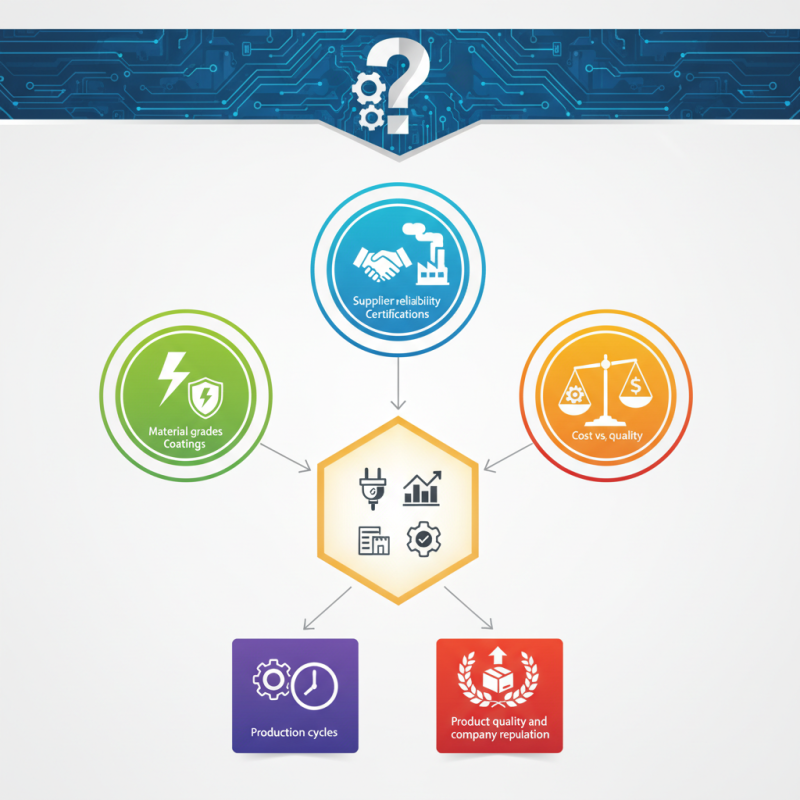
When searching for Electrical Silicon Steel, consider factors such as material grades, coatings, and supplier reliability. Engaging with trusted suppliers is essential. Quality can vary significantly, impacting production cycles and end product performance. Look for manufacturers with certifications and a strong track record. Gathering feedback from industry peers can also guide your choices.
Reflecting on your sourcing strategy is necessary. Are you focused on cost, or are you prioritizing quality? While lower prices may seem attractive, they could compromise performance. Evaluate your business needs carefully. A well-informed approach to sourcing Electrical Silicon Steel can ultimately enhance your product's quality and your company's reputation.
Electrical silicon steel is a critical material used in the manufacturing of transformers, motors, and generators. This alloy is designed to enhance magnetic properties, providing efficient energy conversion. According to a report by the International Energy Agency, nearly 75% of electrical losses in industrial systems can be linked to inefficient magnetic materials. Hence, sourcing high-quality electrical silicon steel becomes paramount for businesses aiming to reduce operational losses.
Understanding the applications of electrical silicon steel helps identify its significance. The material is prevalent in industries producing electrical devices. It can offer high permeability and low core loss, which are essential for energy-efficient performance. Recent studies indicate that using high-grade silicon steel can improve energy efficiency by up to 20%. Such improvements can lead to significant cost savings, underlining the need for quality sourcing in today’s competitive market.
Quality isn't just about specifications; it also includes assessing supplier reliability. The electrical steel market is growing, projected to reach $35 billion by 2025. However, many suppliers promise quality without delivering. Therefore, businesses must conduct thorough evaluations. They should consider factors like production technology and sourcing practices. This diligence may reveal gaps in quality assurance, requiring greater scrutiny before making procurement decisions.
When sourcing quality electrical silicon steel, identifying key quality criteria is essential. This type of steel is vital for manufacturing efficient electrical machines. The core properties of electrical silicon steel include low core loss, excellent magnetic conductivity, and high mechanical strength. It is crucial to evaluate these characteristics before making a purchasing decision.
Tips: Consider the manufacturing process. Materials that undergo cold rolling processes tend to exhibit better magnetic properties. Inspect the surface quality; any imperfections can greatly affect performance. Test samples for core loss to confirm they meet industry standards.
Another aspect to evaluate is the alloy composition. Different silicon content levels can impact the steel's performance. Ensure that the alloy has the right amount of silicon and other elements. Understanding the differences in grain orientation can also inform your choices. Non-oriented versus oriented steel behaves differently under electromagnetic conditions.
Tips: Work with trusted suppliers who provide documentation of their products' properties. Look for certifications that validate the quality of the steel you are purchasing. Always maintain open communication with suppliers about your specific needs.
When sourcing electrical silicon steel for your business, a key step is finding reliable suppliers and manufacturers. Researching the market can reveal vital data. According to a report by Grand View Research, the global silicon steel market is projected to reach $50 billion by 2025. This highlights the growing demand and the importance of quality sourcing.
Evaluating suppliers requires a comprehensive approach. Look for manufacturers that have certifications and a proven track record in the industry. A survey conducted by Research and Markets indicates that over 70% of manufacturers prioritize quality assurance processes. Use this statistic to screen potential partners effectively. Request samples to assess their products physically. It's crucial to verify their claims through rigorous testing.
While some suppliers may boast advanced technology, it’s important to reflect on their reliability. Not every high-tech supplier delivers consistently. A common issue is adherence to delivery timelines. Delays can disrupt your production schedules significantly. Consider establishing strong communication lines with potential partners. This can help you gauge their commitment to reliability and quality.
| Supplier Location | Material Grade | Thickness (mm) | Surface Treatment | Annual Production Capacity (tons) | ISO Certification |
|---|---|---|---|---|---|
| Germany | M-15 | 0.35 | Coated | 15000 | ISO 9001 |
| Japan | H-30 | 0.5 | Anodized | 20000 | ISO 14001 |
| China | CRGO | 0.23 | Oxide | 30000 | ISO 9001, ISO 45001 |
| South Korea | S-35 | 0.35 | Insulated | 18000 | ISO 9001 |
| India | B-50 | 0.27 | Natural | 25000 | ISO 9001, ISO 50001 |
When evaluating procurement decisions for electrical silicon steel, the balance between cost and quality is crucial. Industry reports indicate that using high-quality silicon steel can lead to a 15% increase in energy efficiency for electrical motors. However, sourcing lower-grade materials might seem more financially appealing upfront. The immediate cost savings can be deceptive, often resulting in higher long-term operational costs.
Quality influences the overall performance and longevity of electrical components. A study by the International Energy Agency showed that up to 30% of energy loss relates to poor material quality. While cheaper silicon steel may reduce initial expenses, it can cause inefficiencies. Equipment failures or increased maintenance can quickly offset those savings. Businesses must consider the total cost of ownership rather than just the purchase price.
Making informed decisions requires a careful analysis of supplier credentials. Some suppliers may promise low prices but lack transparency in their production processes. This can lead to negative ripple effects, including subpar performance and safety issues. Establishing strong relationships with reputable suppliers can mitigate risks associated with sourcing. Investing time and effort into understanding material specifications can pay off significantly in the long run.
Maintaining strong relationships with suppliers is vital for success. Trust builds over time. Regular communication helps clarify expectations. Frequent check-ins can prevent misunderstandings. It’s essential to be clear about your needs and timelines.
Engagement should not be one-sided. Share feedback on material quality and delivery. This exchange fosters reliability. Acknowledging your supplier’s efforts can cultivate loyalty. When challenges arise, address them promptly. Avoiding difficult conversations often leads to bigger issues.
Building these relationships takes effort. Sometimes, you might not see immediate benefits. However, patience pays off. Quality suppliers can streamline your production. Reflecting on your partnership will help identify areas for improvement. Investing in supplier relationships enhances overall business performance.
: It is used in making transformers, motors, and generators for efficient energy conversion.
High-quality steel reduces operational losses and improves energy efficiency in industrial systems.
Key properties include low core loss, excellent magnetic conductivity, and high mechanical strength.
Cold rolling processes improve magnetic properties, making the material more efficient.
Surface imperfections can greatly degrade performance and efficiency of the electrical devices.
Focusing only on cost can lead to poor performance and higher long-term operational costs.
Lack of transparency may indicate subpar quality and can lead to equipment failures.
Maintain open communication and seek documentation about product properties and certifications.
Silicon content affects performance greatly, making it crucial in decision-making.
They might lead to inefficiencies and increased maintenance costs over time.
Electrical Silicon Steel is a crucial material used in various electrical applications, known for its magnetic properties and efficiency. To effectively source quality Electrical Silicon Steel for your business, it is important to understand its specific applications and the quality criteria that distinguish superior products. Quality indicators can include factors such as thickness, composition, and manufacturing processes.
Additionally, researching reliable suppliers and manufacturers is essential to ensure a consistent supply of high-quality materials. While evaluating potential suppliers, balancing cost against quality is a key consideration, as the long-term performance and efficiency of your applications depend on the quality of the materials used. Finally, fostering and maintaining strong relationships with suppliers is vital for long-term success, enabling better pricing, timely deliveries, and reliable support in your procurement decisions.
