 SMSTEEL
SMSTEEL
SMSTEEL
High-performance custom steel pipelines, structural profiles, and custom engineered components for global applications.
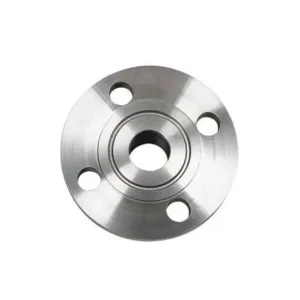
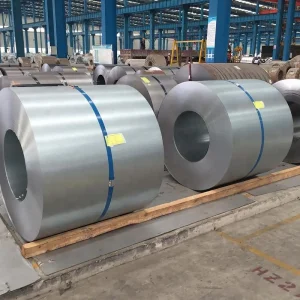
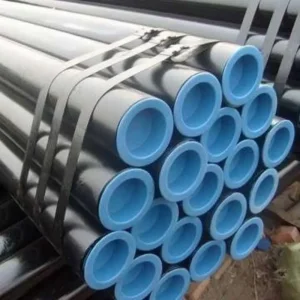
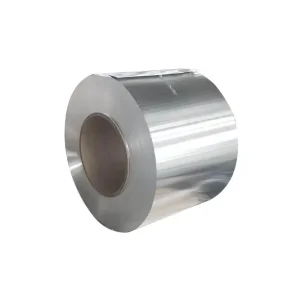
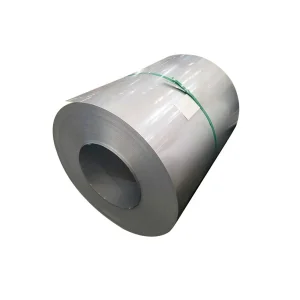
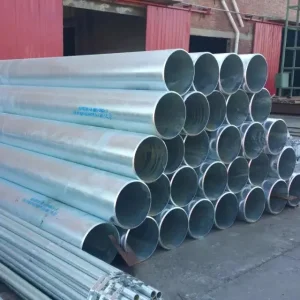
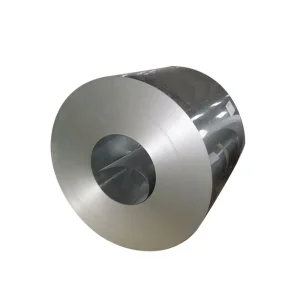
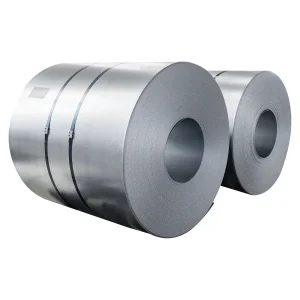
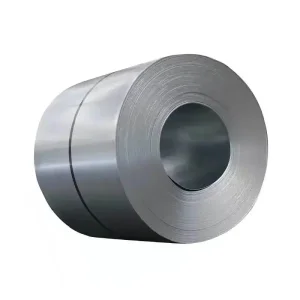
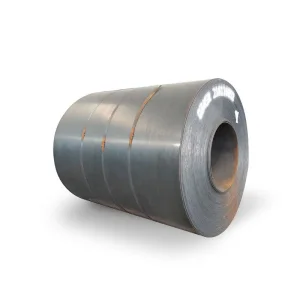
Within B2B heavy industry procurement, the term oiled steel sheets typically refers to Hot Rolled Pickled and Oiled (HRPO) flat-rolled products. These materials represent a crucial evolutionary step between raw, scale-coated Hot Rolled (HR) steel and highly finished, thin-gauge Cold Rolled (CR) steel.
The manufacturing process begins by passing carbon steel coils through a continuous pickling line (CPL), where a concentrated hydrochloric acid (HCl) bath breaks down the tenacious surface iron oxide scale (commonly known as mill scale) formed during hot rolling. Removing this scale is essential, as the oxidized crust is brittle, highly abrasive, and will quickly destroy stamping dies and forming tooling.
Post-acid pickling, the clean, exposed iron substrate is prone to rapid flash-rusting when exposed to atmospheric humidity. To prevent oxidation, the steel sheet immediately passes through an electrostatic oiler or spray chamber. This system applies a highly uniform, micro-thin layer of specialized rust-preventative petroleum or synthetic mineral oil. This protective coating safeguards the raw steel from corrosion during transportation, ocean transit, and warehouse storage for up to 6 months under standard conditions.
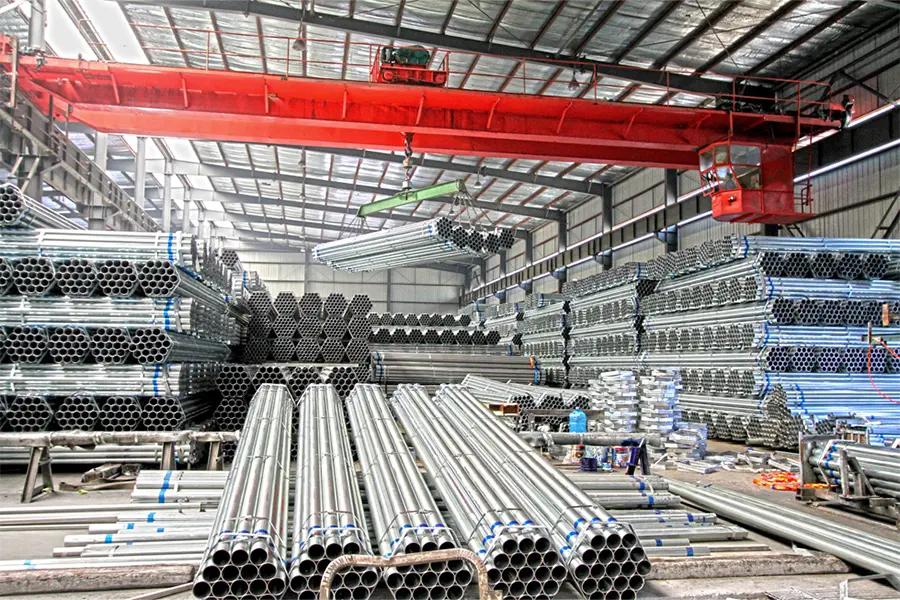
Choosing the correct steel substrate requires balancing surface quality, cost, mechanical drawability, and tolerance requirements. Below is a structural engineering comparison:
| Material Metric | Hot Rolled (HR) Steel | Hot Rolled Pickled & Oiled (HRPO) | Cold Rolled (CR) Steel |
|---|---|---|---|
| Surface Condition | Rough, covered in dark blue/grey mill scale | Clean, smooth, bright metallic, coated with protective oil | Highly polished, ultra-smooth, tight tolerances, oiled |
| Dimensional Tolerances | Broad thickness variations (+/- 0.25mm typical) | Improved over HR, suitable for high-speed laser cutting | Extremely precise thickness control (+/- 0.05mm typical) |
| Tooling & Die Wear | Extremely high abrasive wear due to hard iron oxide scales | Low; smooth oil coating acts as a minor stamping lubricant | Minimal die wear; designed for precision tooling operations |
| Cost Profile | Baseline minimum commodity cost | Moderate premium for chemical pickling & oiling processes | High premium for multi-pass cold rolling & annealing |
| Typical Thickness Range | 1.5 mm to 25.0 mm | 1.2 mm to 6.0 mm (standard ranges) | 0.3 mm to 3.0 mm |
Underpinned by modern infrastructure, strict metallurgy control, and strategic nationwide supply agreements.
Founded in 2010, STEP MILLION STEEL has established itself as an authoritative manufacturer and tier-1 supplier of structural and flat-rolled steel products. Our massive 66,700 square meter plant houses eight High-Frequency (HF) welding production lines, each outfitted with computerized sensors tracking metallurgy tolerances across five distinct forming steps. Over 300 experienced professionals, including 20 dedicated R&D engineers with average tenures exceeding 10 years, manage this automated ecosystem.
Our steel raw materials are sourced through long-term strategic supply agreements with China’s premier state-owned mills: Hebei Iron and Steel Group, Baowu Iron and Steel Group, Shougang, Bengang, Anshan Iron and Steel Group, Jingye Iron and Steel, Jinxi Iron and Steel, Lingyuan Iron and Steel, and New Tiangang Group. Annually, our logistics network distributes over 700,000 tons of structural pipes, sheets, and coils domestic and worldwide, securing our status as a trusted supply chain partner for multinationals including LG Electronics and Xizi United.
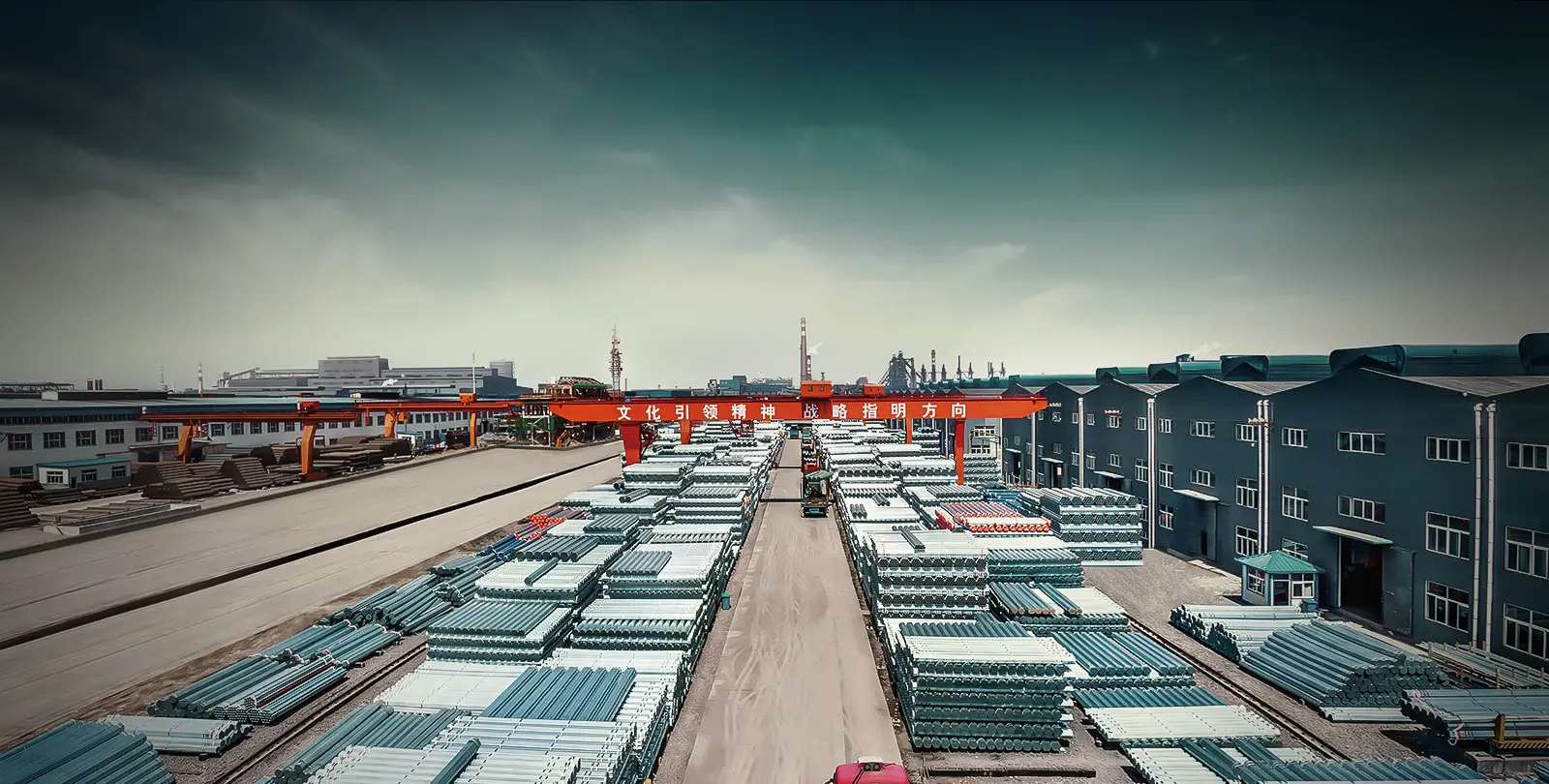
Analyzing the application architecture of Hot Rolled Pickled & Oiled steel sheets across critical industrial verticals.
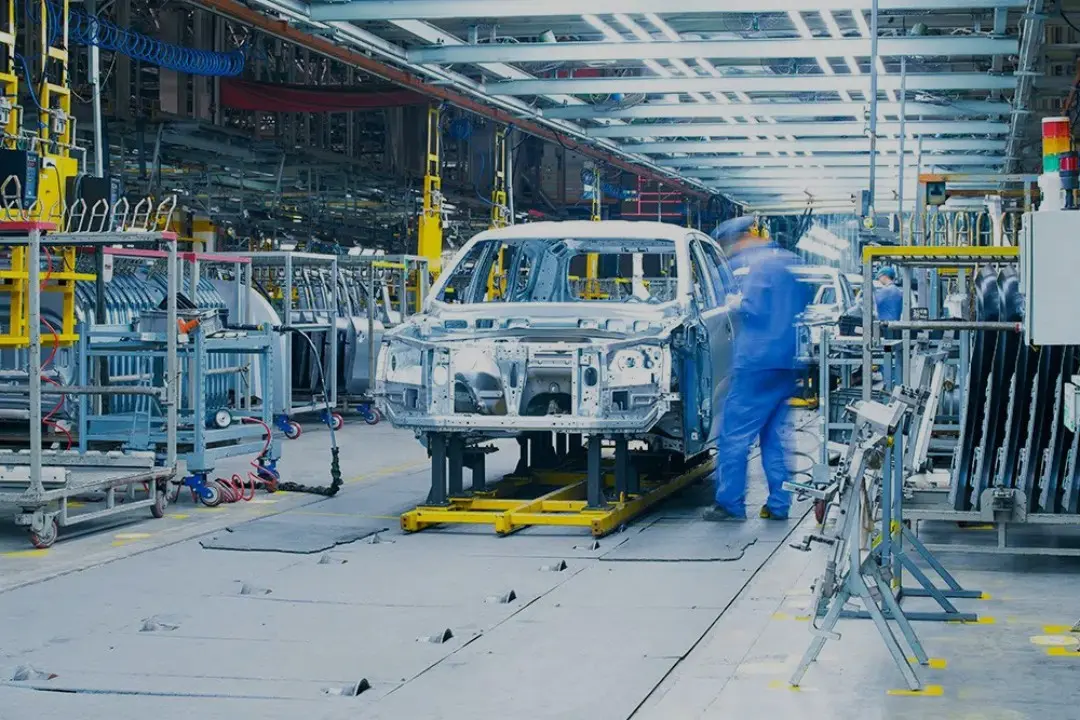
Used extensively for structural auto-body reinforcers, under-chassis structures, shock-absorber brackets, wheel rims, and seat frames. Stamping factories rely on the clean, scale-free surface to prevent particulate build-up in complex dies.
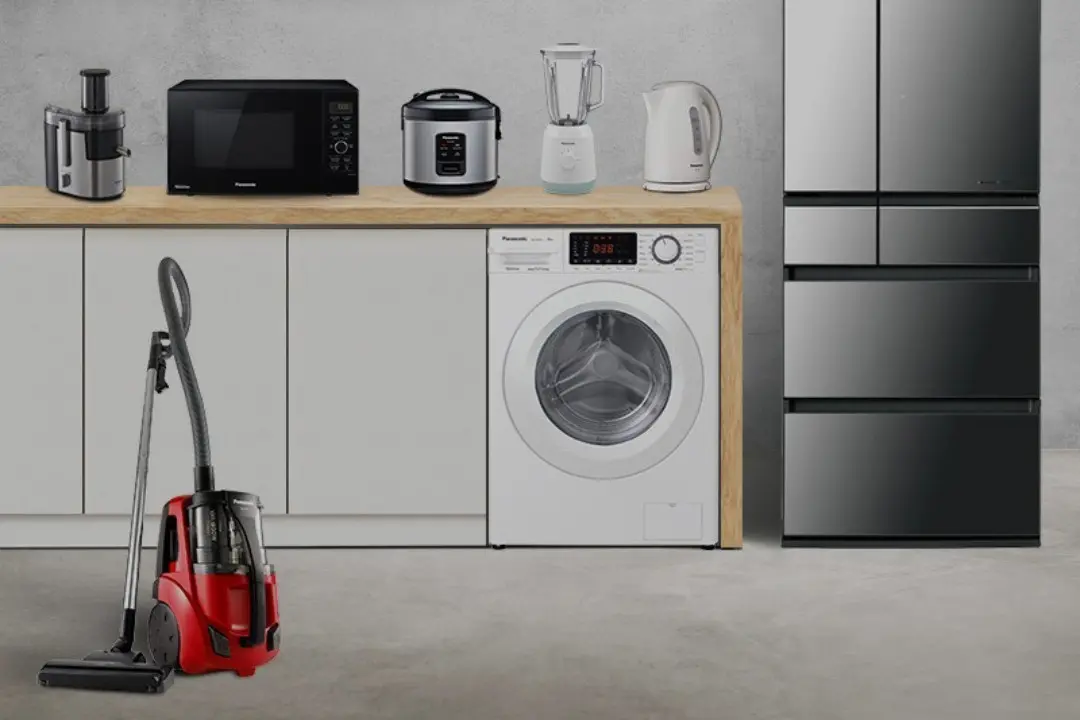
Selected for heavy-duty brackets, compressor housings, mounting plates, and internal frames. HRPO offers the exact thickness requirements for high vibration-damping plates at a lower cost than Cold Rolled steel.
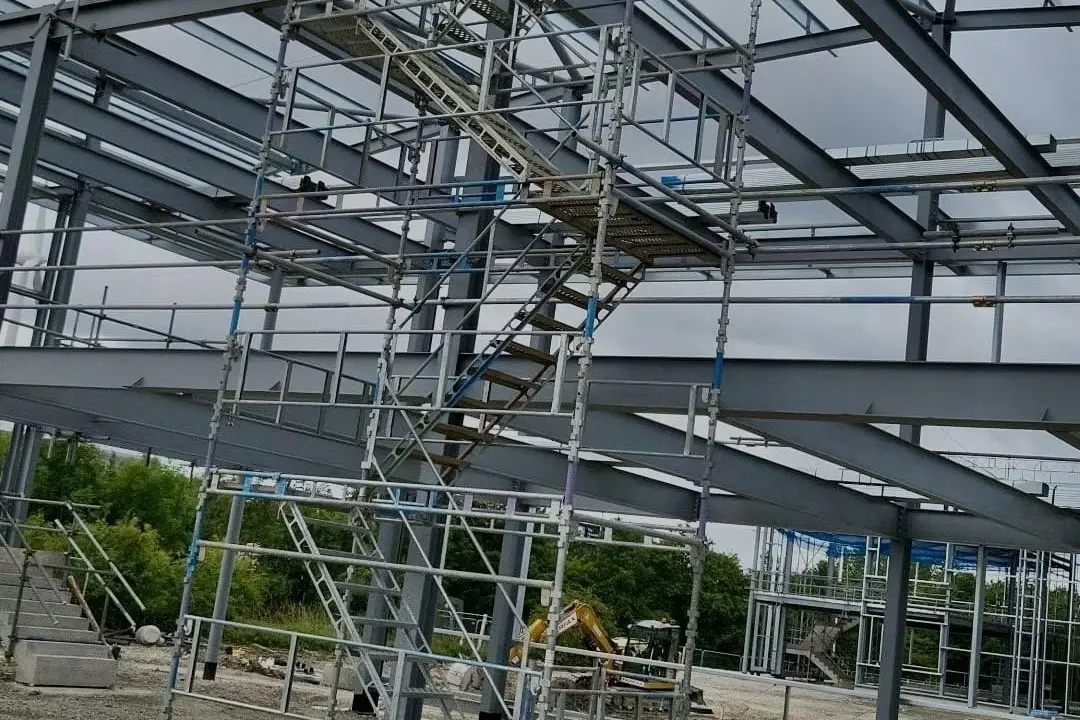
Used to form high-strength structural square, rectangular, and round tubes. The omission of oxide scale makes high-frequency welding cleaner, resulting in high-integrity welded seams without internal flaws.
Sustaining agile, resilient supply chains for projects across Central/South America, Southeast Asia, the Middle East, and Africa.
The global demand for high-grade flat-rolled steel is shifting dynamically toward materials that optimize factory-floor efficiency. Industrial manufacturers are phasing out untreated hot-rolled coils because managing acid-pickling baths in-house is capital intensive and restricted by strict local environmental regulations. By outsourcing the pickling and oiling process to centralized Chinese factories like Step Million Steel, global manufacturers eliminate toxic acid waste streams from their local jurisdictions while improving their stamping line speeds by up to 35%.
Our global operations are optimized to handle complex shipping lanes. We ensure all coiled and sheet steel products destined for oceanic shipping are packed with VCI (Volatile Corrosion Inhibitor) paper wrapping, encased in heavy-duty galvanized steel outer protections, and secured with radial and circumferential straps to prevent moisture ingress during humid sea crossings.

Rigorous quality control systems backed by premium testing instruments from Germany and Japan.
For international tier-1 auto and mechanical buyers, compliance is non-negotiable. Step Million Steel maintains an independent Quality Assurance department staffed by over 20 professional inspectors with over 10 years of experience. We do not rely solely on the raw material certificates provided by primary mills; our laboratory performs independent verification using advanced testing equipment.
Our quality assurance measures include mechanical tensile testing for yield strength, ultimate tensile strength, and elongation, along with Rockwell and Vickers hardness testing to verify stamping consistency. We also conduct spark emission spectrometry for chemical mapping, along with surface roughness profilometers to verify average roughness values (Ra) prior to the application of the rust-preventative oil.
All production runs are fully traceble back to the original ladle number of the melting furnace, providing complete material transparency. CE, SGS, and BV inspection certifications are available upon request.
Innovating for environmental sustainability, decarbonized production, and advanced metallurgy.
Direct technical responses addressing common engineering and sourcing questions about oiled steel sheets.
Under dry, ventilated indoor warehouse conditions, our standard rust-preventative oil keeps the steel corrosion-free for up to 6 months. For high-humidity maritime transit, we apply heavy-dosage protective oil coatings and wrap the coils in airtight VCI paper packaging to prevent condensation-induced corrosion.
The protective oil film is designed to be easily stripped using standard B2B degreasing methods. Industrial alkaline wash systems (pH 9-12), high-pressure spray cleaning, or solvent-based degreasers are all highly effective. For light-oiled options, modern high-frequency welding can often proceed directly without full pre-cleaning.
Yes. Unlike raw Hot Rolled steel, which has non-uniform mill scale that refracts and damages laser cutting heads, HRPO steel has a uniform, scale-free surface. This allows for consistent laser absorption, clean cut edges, and significantly faster processing speeds.
We supply materials conforming to various global standards, including ASTM A1011 (for carbon steel structural grades), EN 10111 (for continuous hot rolled low carbon steel for cold forming), JIS G3131, and GB/T 710. Customers receive certified Mill Test Certificates (MTC) detailing chemical composition and mechanical properties for every shipment.
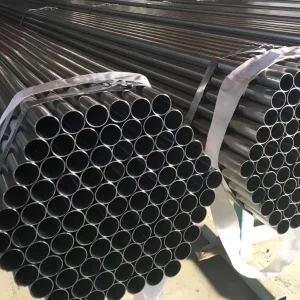
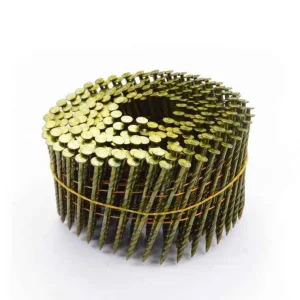
Explore our diverse steel inventory, spanning high-precision carbon pipes, zinc-coated coils, electrical steel, and structural sheets.