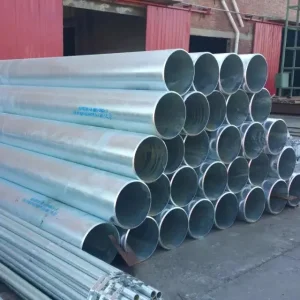
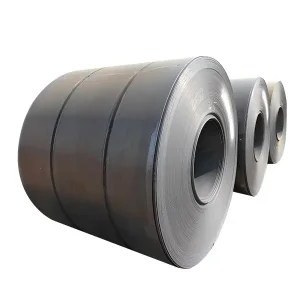
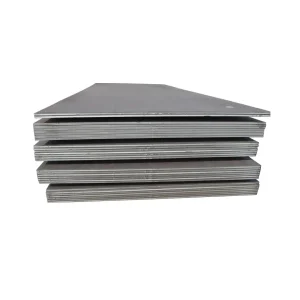
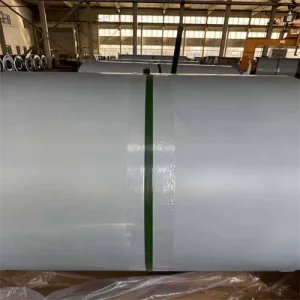
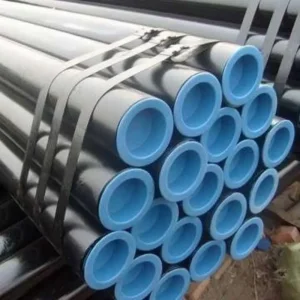
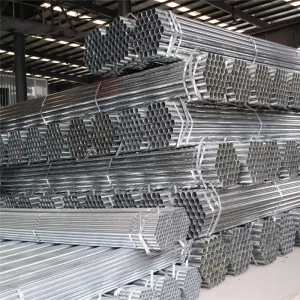
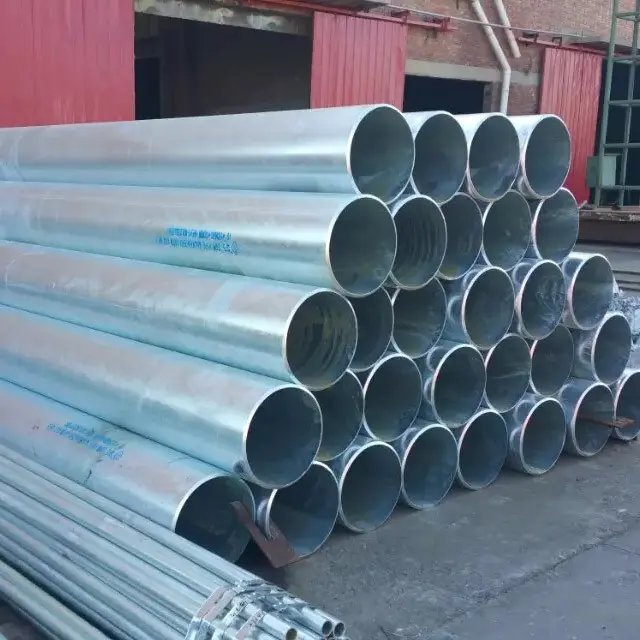
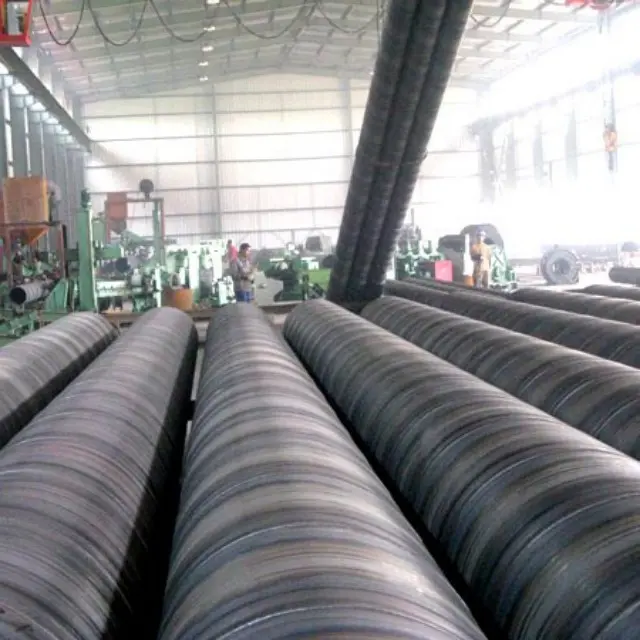
HIGH STRENGTH AND PRESSURE RESISTANCE—— Sprial pipe.
The spiral pipe is made of high quality steel, which is treated with a special production process to provide high tensile and bending strength.This makes it able to withstand greater water pressure and loads, and meet the needs of use in various complex working conditions.
Oil and gas pipeline, water transmission, liquid transportation, Building construction, Steel structure construction, Offshore/Onshore construction, Piling works, Electricity, Heating power and etc.
Spiral Welded Steel Pipe Details
PRODUCT NAME
Spiral Welded Steel Pipe
Size OD
219mm~1620mm
WALL thickness
3.2mm~30mm
material
Q195, Q215, Q235, Q345B
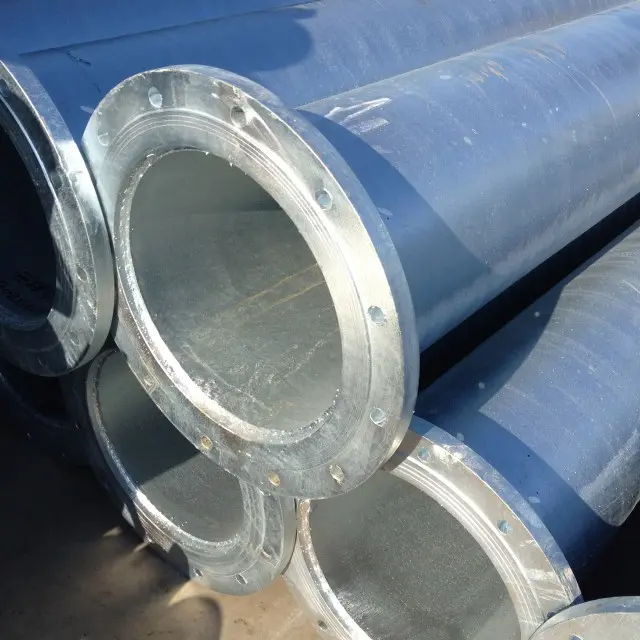
Zinc coating
40~200g/m2
Technical
Hot rolled
End
Plain end
Application
water pipe, steel piling, oil and gas pipe, etc
Moq
5 tons each size
Package
In bundles with steel strip, water proof plastic packing or in bulk
Shipping port
Xingang, china
Trade terms
FOB CFR, CIF
Product Description
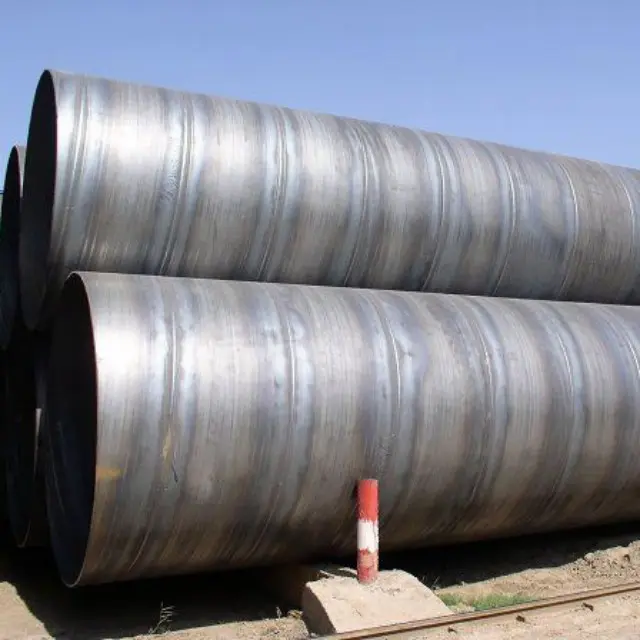
Spiral pipe, also known as spiral steel pipe (SSAW), is a kind of tubular steel made of low carbon steel or low alloy steel through spiral welding process. Spiral pipe has the characteristics of high strength, good bearing capacity and excellent welding performance, so it has a wide range of applications in infrastructure construction, industrial production and other fields.
1. Urban Infrastructure Construction
Water conservancy projects: Spiral steel pipes play an important role in water pipelines, drainage pipes, and irrigation projects. Heating engineering: Excellent heat conduction for central and district heating systems. Gas transmission: Reliable for transporting natural gas and LPG to urban residents and industries. Urban road construction: High load-bearing capacity for bridges, tunnels, and structural supports.
2. Industrial Production and Energy Fields
Oil and natural gas industry: Crucial for transporting raw resources to processing plants and refineries. Chemical engineering: Used for transporting corrosive media such as acids, alkalis, and salts. Mine ventilation: Ensures safety via ventilation and drainage pipes in mining operations. Electric power engineering: Tower materials for high-voltage transmission lines. Naval engineering: Structural support for ship hulls, cabins, and decks.
3. Construction Field
Building structure: Load-bearing components like pillars, beams, and foundations. Architectural decoration: Enhancing aesthetics through balconies, railings, and frames. Bridge construction: Main and support beams for improved longevity and capacity. Elevated roads: High seismic performance for overpasses and transportation facilities.
In summary, spiral pipes play an essential role across multiple sectors. When purchasing, it is vital to focus on product quality to ensure project safety. Future innovations in material science will continue to expand the applications of spiral tubes globally.
Frequently Asked Questions
What is a Spiral Welded Steel Pipe (SSAW)?
It is a tubular steel product made from low carbon or low alloy steel strips that are formed into a spiral shape and welded using a submerged arc welding process.
What are the main advantages of spiral pipes?
Spiral pipes offer high strength, excellent load-bearing capacity, and superior welding performance, making them suitable for high-pressure fluid transportation and structural use.
What size ranges are available for these pipes?
The standard outer diameter (OD) ranges from 219mm to 1620mm, with wall thicknesses varying between 3.2mm and 30mm.
What materials are used in production?
Commonly used steel grades include Q195, Q215, Q235, and Q345B, depending on the required strength and application.
Can spiral pipes be used in corrosive environments?
Yes, they are widely used in chemical engineering for transporting corrosive media and can be provided with zinc coatings (40~200g/m2) for enhanced protection.
How are the pipes packaged for shipping?
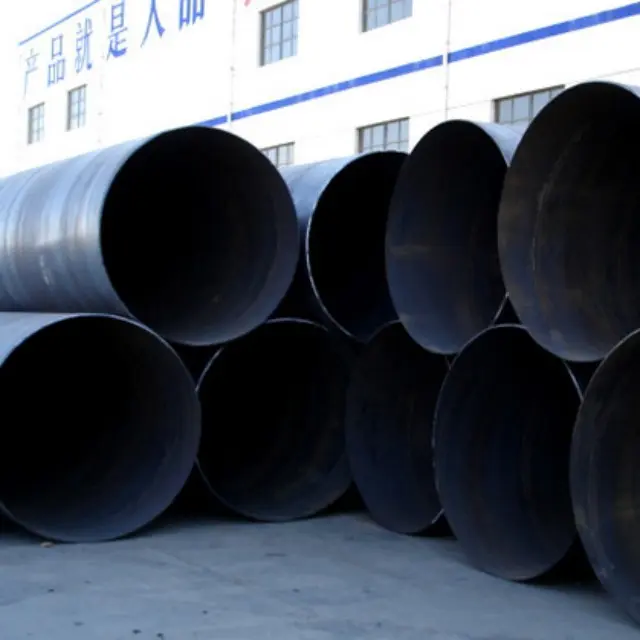
They are typically shipped in bundles secured with steel strips, wrapped in waterproof plastic packing, or shipped in bulk for larger sizes.
 SMSTEEL