 SMSTEEL
SMSTEEL
SMSTEEL
Optimized pipe systems customized for structural offshore foundations, fluid logistics, and deep marine engineering across Bata, Malabo, and Luba Freeport projects.
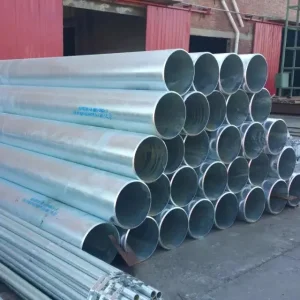
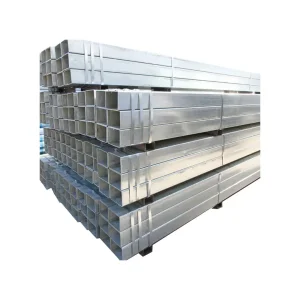
Equatorial Guinea stands as a prominent energy hub in Central Africa, with its economy historically anchored by rich offshore oil and natural gas fields, such as those situated at Bioko Island (Punta Europa) and offshore from the mainland city of Bata. In recent years, the Ministry of Mines and Hydrocarbons has actively pursued infrastructural diversification and modernization. Key to this strategy is the expansion of transport networks, deep-water port systems, Luba Freeport developments, and modern municipal sanitation infrastructures designed to support growing urban centers.
Consequently, the demand for large-diameter, heavy-duty structural piping has soared. Spiral Submerged Arc Welded (SSAW) steel pipes are increasingly prioritized for subsea piling, high-pressure natural gas lines, refined oil logistics, and offshore platform foundations. These projects demand high structural stability, corrosion resistance, and structural integrity, characteristics engineered directly into our premium quality spiral steel pipes. For operators executing engineering, procurement, and construction (EPC) projects across Equatorial Guinea, acquiring pipes manufactured to strict international benchmarks is vital to combat aggressive coastal ocean salinity and demanding soil compositions.
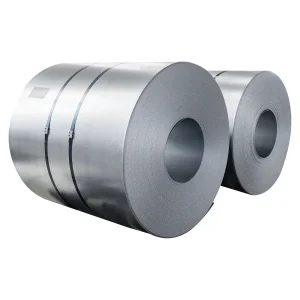
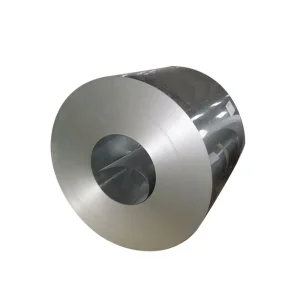
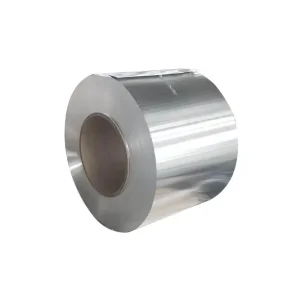
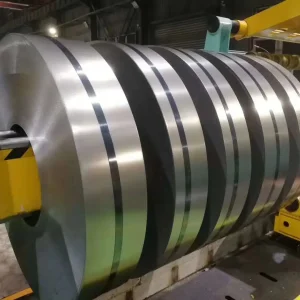
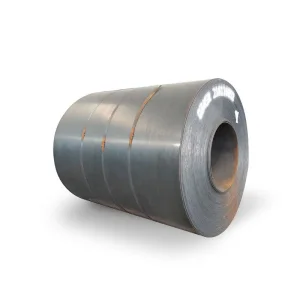
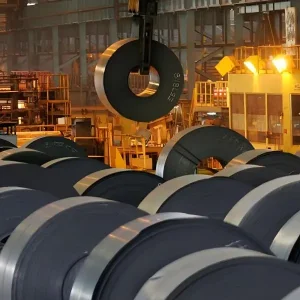
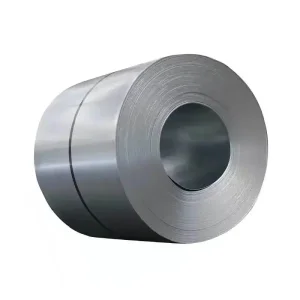
The international steel pipe sector is undergoing a massive shift towards structural safety, efficiency, and carbon-reduced manufacturing methodologies. Globally, helical/spiral submerged arc welded (SSAW) pipes have established a strong market share because of their highly cost-efficient manufacturing process, particularly when fabricating large-diameter variants. Unlike Longitudinally Submerged Arc Welded (LSAW) pipes, which require massive plate-bending presses, spiral pipes are continuous fabrications formed from hot-rolled steel coils, making custom lengths and tailored diameters highly attainable.
As standard infrastructure moves toward complex high-performance zones, the relevance of global sourcing networks grows. By utilizing raw materials sourced from Tier-1 industrial mills—such as Baowu Group, HBIS Group, and Shougang Group—manufacturers can guarantee that chemical integrity matches physical parameters. Integrating state-of-the-art testing equipment from Germany and Japan, Step Million Steel aligns its outputs with ASTM, API 5L, BS, and DIN standards. This makes our products a reliable choice for international marine operations and regional piping projects across Africa, South America, and the Middle East.
In response to complex extraction conditions and stricter environmental mandates, the steel piping industry has accelerated its focus on technical innovation and digital manufacturing.
Modern applications are transitioning rapidly from traditional carbon steels to micro-alloyed high-strength low-alloy (HSLA) steel grades. By implementing thermomechanical control processing (TMCP), spiral welded steel pipes achieve superior yield strengths (up to API 5L X80 and X100 levels) while retaining excellent low-temperature toughness and weldability. This allows engineers designing pipelines in Equatorial Guinea to decrease pipe wall thickness without compromising safety, leading to substantial structural weight reductions and lower freight costs.
The harsh maritime climate surrounding Equatorial Guinea necessitates advanced corrosion protection. Our technical roadmap incorporates multi-layer external coatings. 3PE (Three-Layer Polyethylene) combines an epoxy primer for chemical adhesion, a copolymer adhesive layer, and an outer high-density polyethylene shield. Internally, solvent-free liquid epoxy coatings reduce friction coefficients, improving flow rate efficiency and lowering the energy required for fluid transportation.
Industry 4.0 integration has introduced smart sensor technology directly into structural steel pipelines. By embedding continuous fiber-optic sensing cables along the exterior coating layer during construction, operators can monitor strain, temperature fluctuation, and minor leakage occurrences in real time. This ensures that any seismic shifts or pipeline fatigue are localized instantly, preventing catastrophic industrial accidents and securing continuous resource flow.
The manufacturing process relies on automated double-sided submerged arc welding (DSAW). This technology utilizes laser-guided tracking to keep the welding arc perfectly aligned with the helical seam. The resulting double-pass weld achieves complete joint penetration, distributing mechanical stress uniformly and preventing structural deformation under high internal pressure and external loads.
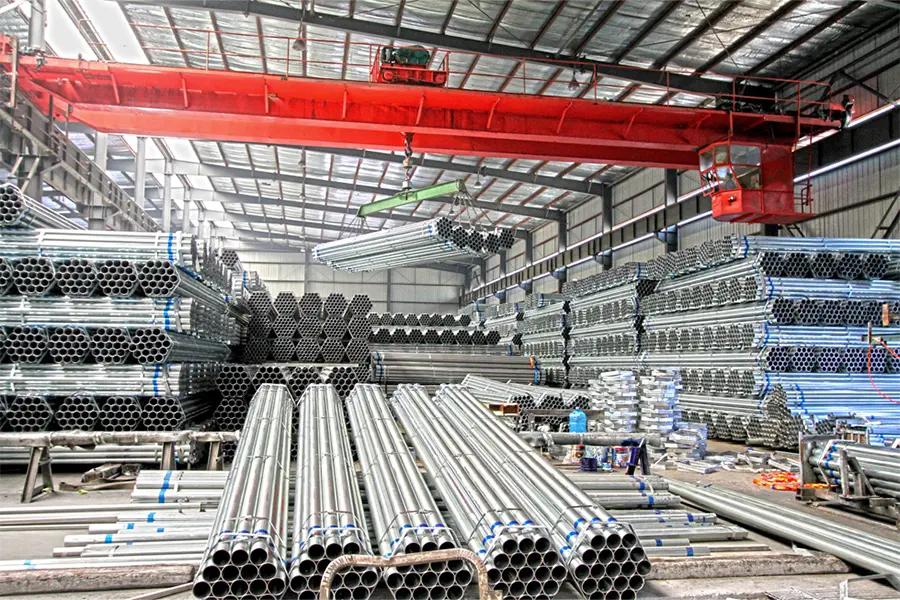
Founded in 2010, STEP MILLION STEEL has grown to become a leading steel material supplier and manufacturer in China. Our extensive manufacturing plant covers over 66,700 square meters, houses over 300 experienced professionals, and features eight High-Frequency welded production lines. Every single production line is equipped with advanced machinery to manage at least five precise production stages, supporting a robust monthly output of 100,000 tons. Roughly half of this capacity is exported to international markets across Middle and South America, Southeast Asia, the Middle East, and Africa.
Our infrastructure includes an active molding workshop run by 20 dedicated R&D engineers, each possessing over a decade of industry experience. To maintain the highest product quality, we employ more than 20 quality control inspectors who oversee raw material procurement and production stages. All raw material supplies carry GB, ASTM, BS, or DIN certifications, with CE certifications provided upon request. Our testing laboratories utilize specialized equipment sourced from Germany and Japan to confirm that every pipe batch is compliant with international expectations before dispatch.
Step Million Steel maintains strategic partnerships with major steel producers, including Hebei Iron and Steel Group (HBIS), Baowu Iron and Steel Group, Shougang Iron and Steel Group, Bengang Group, Anshan Iron and Steel Group, Hebei Jingye Iron and Steel Group, Hebei Jinxi Iron and Steel Group, Lingyuan Iron and Steel Group, and New Tiangang Group. Annually, our network supplies over 700,000 tons of high-grade steel products domestically and internationally, generating close to 4 billion yuan in turnover. This purchasing leverage allows us to secure reliable raw materials at competitive rates and pass those cost benefits directly to our clients.
Our logistics and service teams are trained to address complex global supply chains. We operate under a 24-hour response protocol for incoming inquiries and deliver technical quotes within 48 hours. To support initial projects in Equatorial Guinea, we offer flexible terms, including smaller-scale trial orders to build trust before initiating larger volume contracts. From sea shipping to customs documentation, we ensure your pipe orders arrive on schedule at the Port of Bata or Malabo.
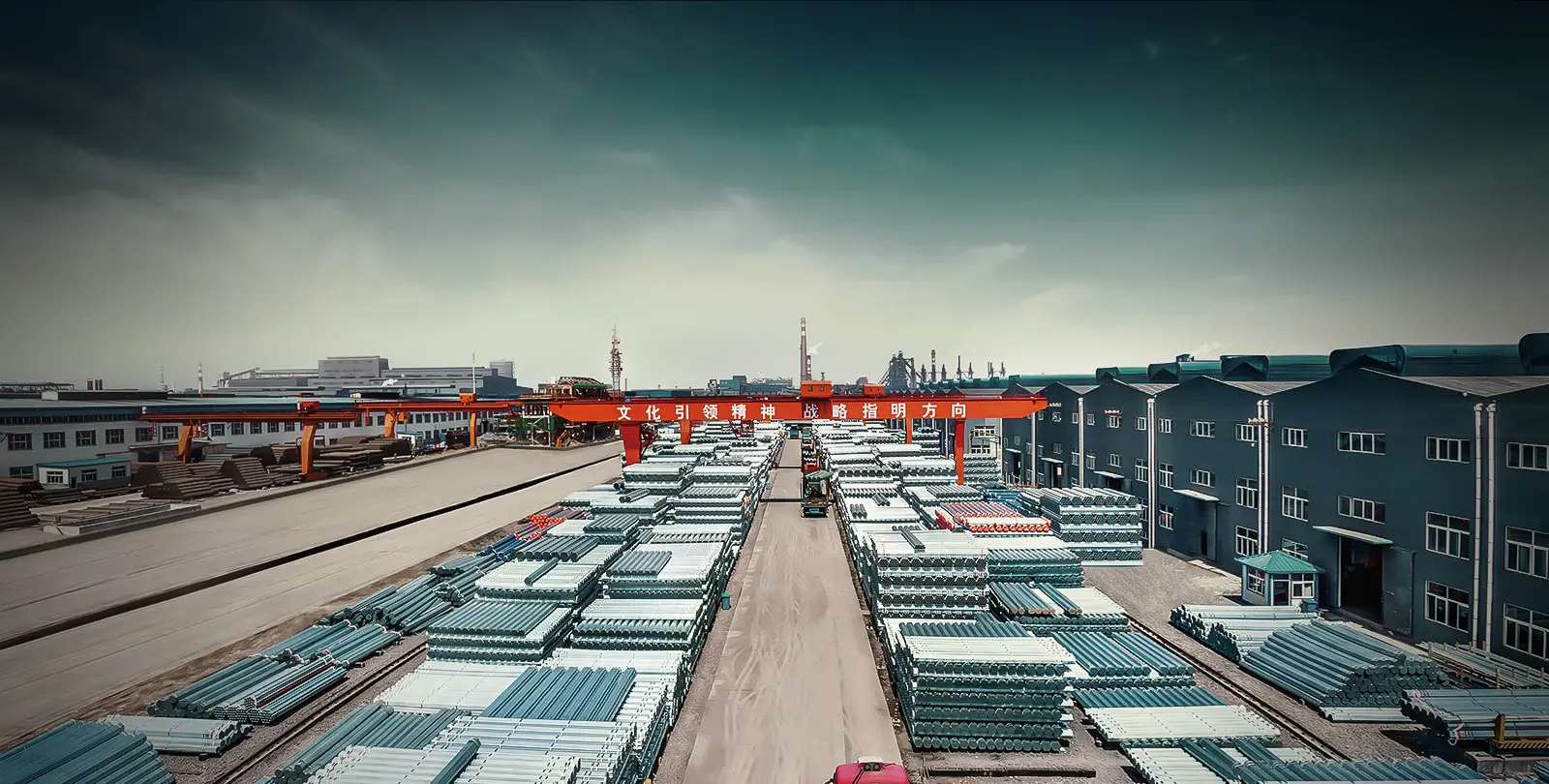
Targeted engineering steel solutions optimized for the unique requirements of the Central African industrial sector.
Optimized for transmission lines routing crude oil and natural gas from coastal platforms to liquefaction plants.
Heavy-gauge SSAW steel piling designed to withstand high axial loads and marine lateral forces at regional ports.
Corrosion-resistant steel water pipelines engineered to supply urban hubs and industrial zones safely.
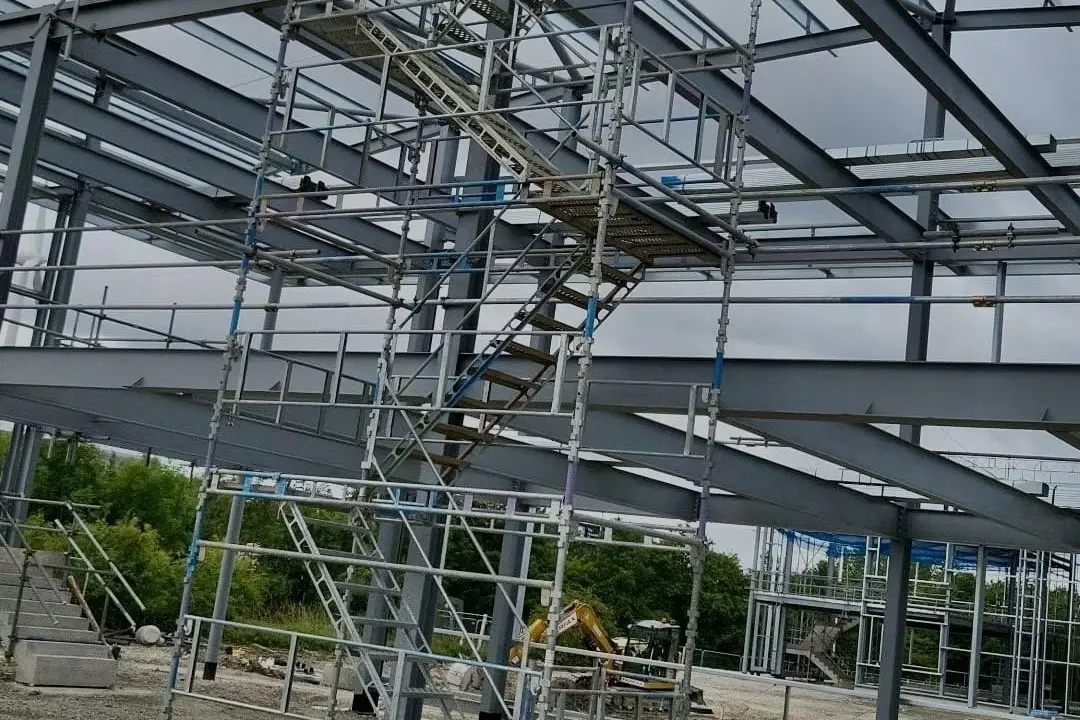
Key details regarding structural application, material grade compliance, and shipping processes for buyers in Equatorial Guinea.
Spiral welded steel pipes (SSAW) are produced from high-strength steel coils in a continuous forming process, allowing the fabrication of large-diameter pipes with custom lengths while maintaining structural straightness. This helical weld structure distributes residual stress more uniformly around the pipe body. When used as structural piles in deep sea applications, SSAW pipes display excellent resistance to buckling, compression, and lateral wave action, making them a cost-effective alternative for marine foundations in Bata and Malabo.
For offshore and subsea environments, we recommend specifying a 3PE (Three-Layer Polyethylene) coating system. This configuration includes a fusion bonded epoxy (FBE) primer for strong chemical bonding, a middle copolymer adhesive layer, and an outer high-density polyethylene layer that shields against mechanical wear and water penetration. For interior protection in water pipes, we apply food-grade, solvent-free epoxy linings that prevent rust and maintain fluid purity.
Yes. Because our spiral forming machinery can process steel coils of different widths into various diameters and pitch configurations, we can easily customize wall thickness and lengths. This enables us to provide targeted structural pipes that meet specific design requirements, reducing the need for on-site welding and helping speed up project schedules.
Our quality control protocol is structured to monitor production from raw material receipt to final dispatch. We utilize advanced testing equipment sourced from Germany and Japan to perform ultrasonic weld inspection, hydrostatic testing, X-ray weld examination, tensile tests, and Charpy V-notch impact testing. All pipes are certified in accordance with standard mill test protocols prior to shipping.
High-precision metallic solutions for processing, distribution, and structural engineering projects.