SMSTEEL SMSTEEL

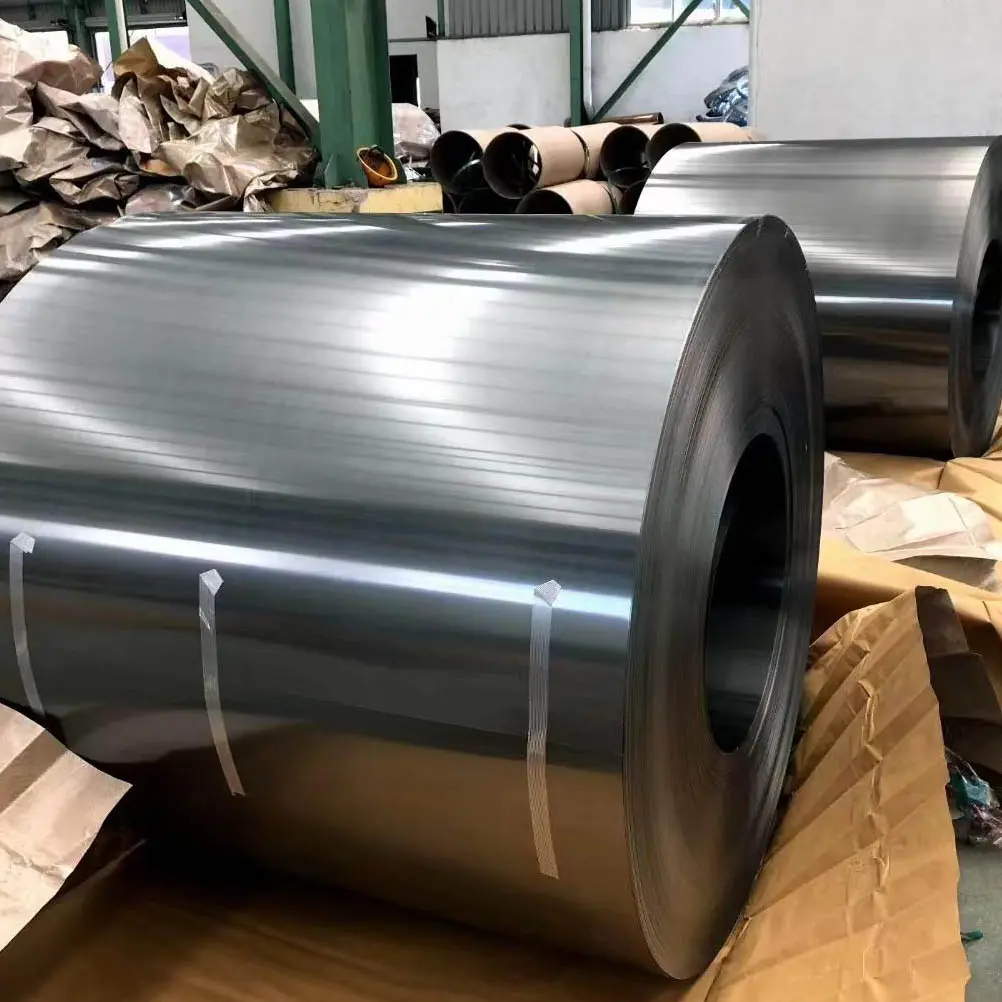
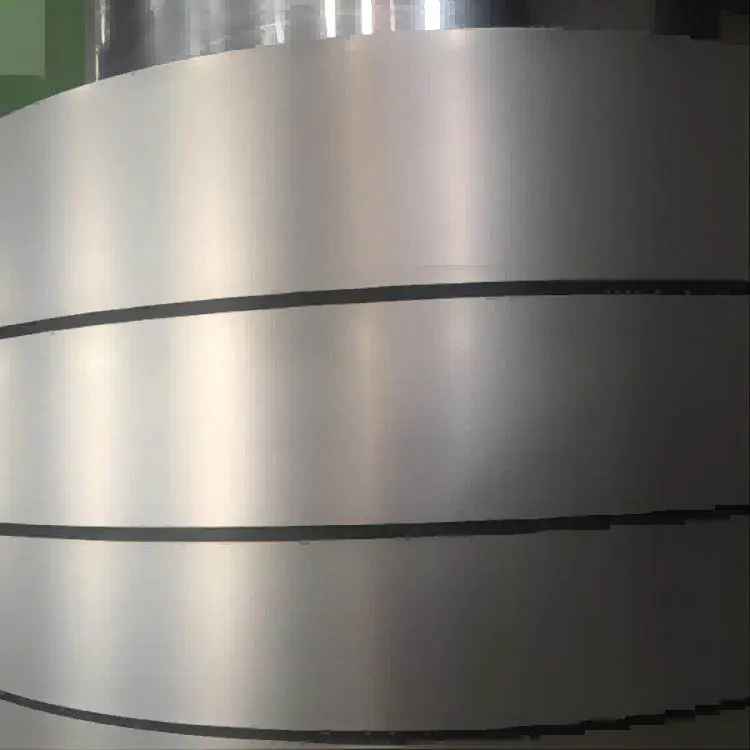
High-Quality 0.23mm CRGO Grain Oriented Electrical Silicon Steel Coil for Transformer Manufacturer, Manufacturers

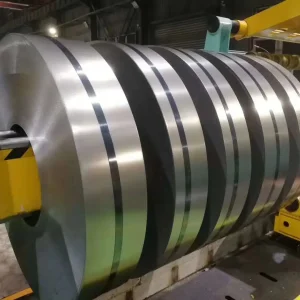
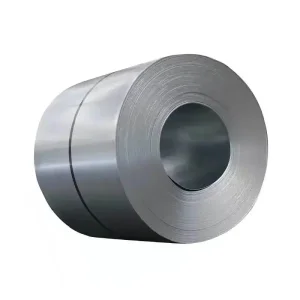
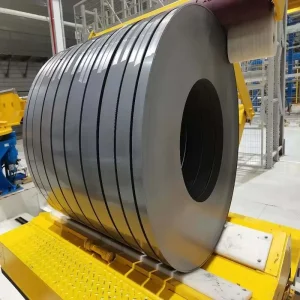
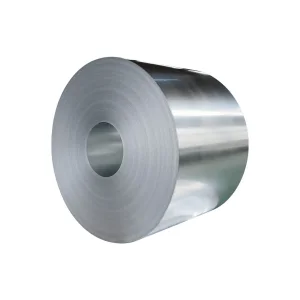
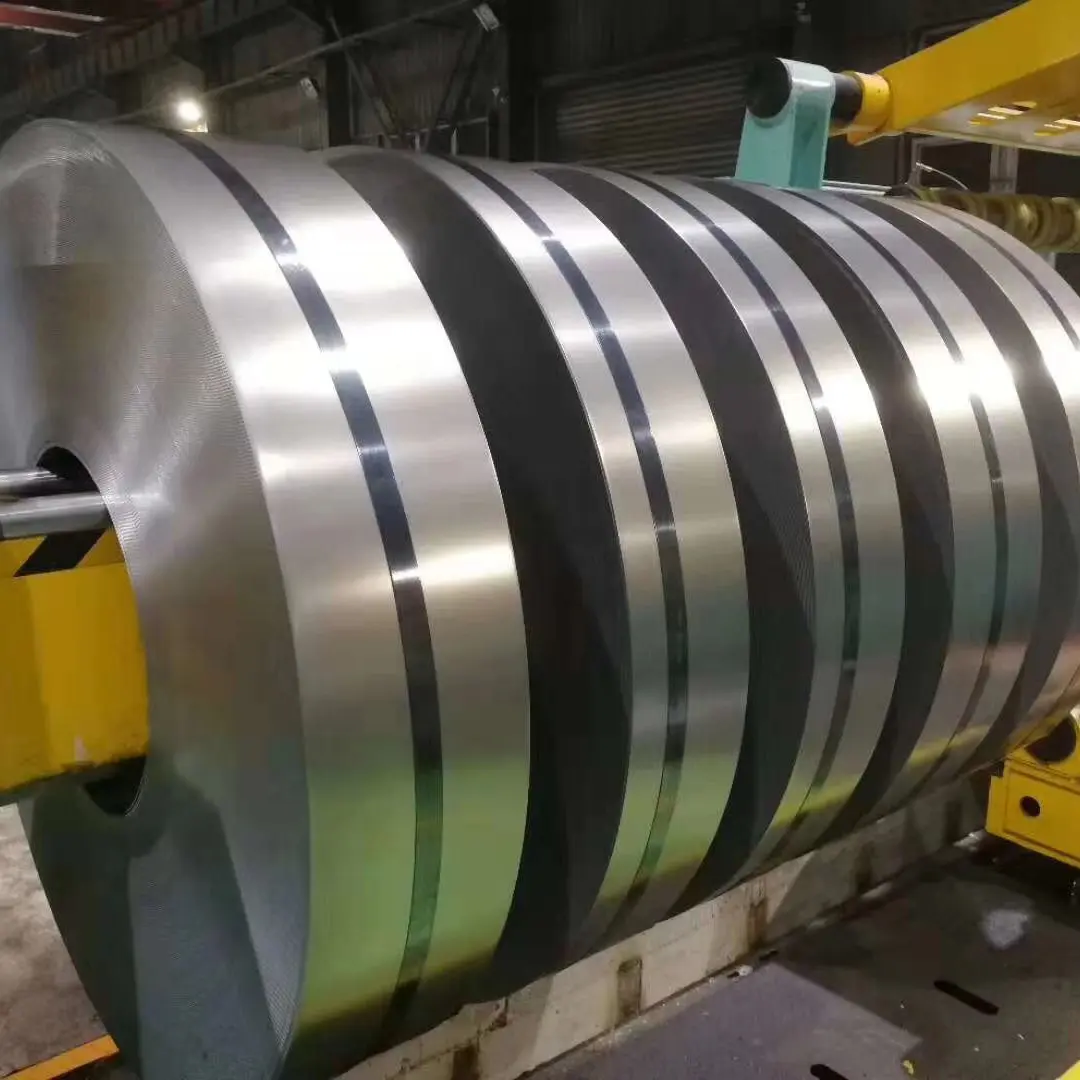
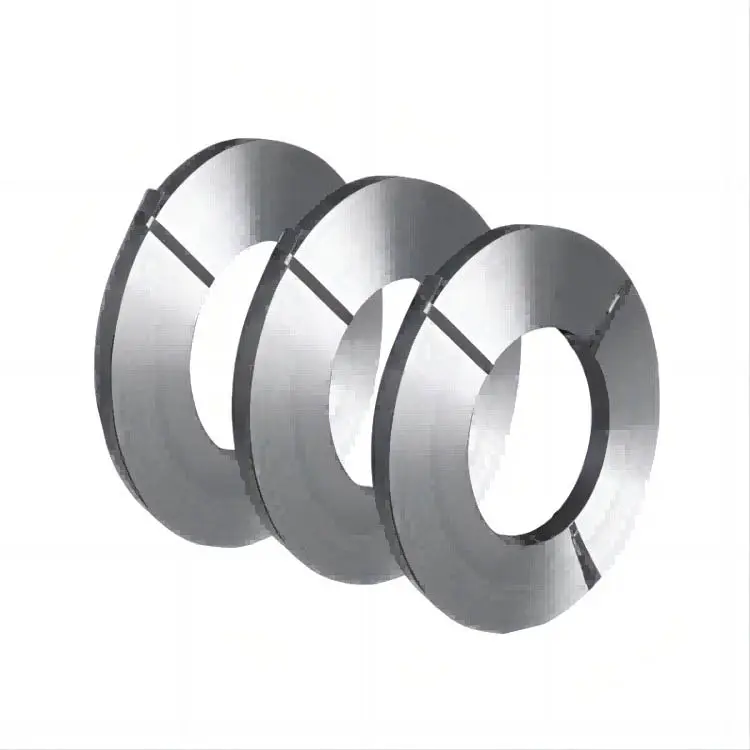
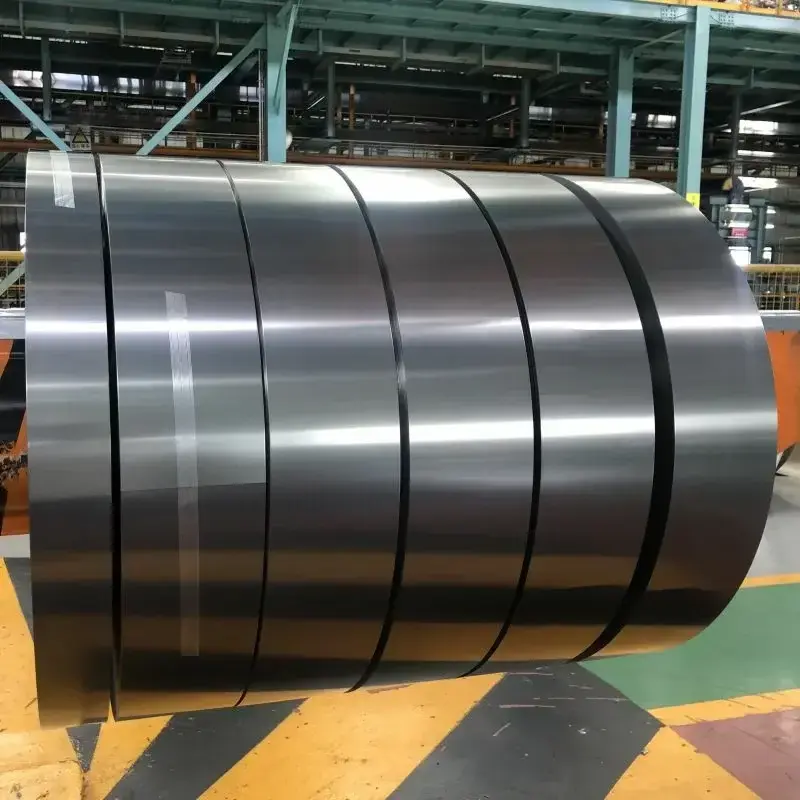
Electrical steel plate (also known as silicon steel sheet or silicon steel sheet) refers to a silicon iron soft magnetic alloy with extremely low carbon content (after annealing, the carbon content is below 0.005%), generally with a silicon content of 0.5% to 4.5%. Adding silicon to iron can improve its electrical resistivity and maximum permeability. Mainly used to manufacture iron cores for various transformers, motors, and generators. Electrical steel plates are divided into two categories, namely oriented electrical steel plates and non oriented electrical steel plates.

Product Description

Product Description

Cold rolled non oriented silicon steel sheets are mainly used as iron cores for motors and small transformers, and are essential soft magnetic alloys in power, electronics, and military industries. It has the largest usage in magnetic materials and is an important energy-saving metal functional material. The demand for cold-rolled non oriented silicon steel in the market is steadily increasing.

Products Parameter

Type Grade Thickness Width Range ID Density P17/50 Max Core Loss B8 Min Induction
(mm) (mm) (kg/dm3) (W/kg) (T)
Common Type 23/110 0.23 700-1200 508 7.65 1.1 1.8
27/120 0.27 1.2 1.8
35/155 0.35 1.55 1.8
High Induction Type & Domain Refined Type available upon request
NOTE: Detecting Basis GB/T3655-2000. P17/50 means core loss of sample per kg at max magnetic induction 1.7T and frequency 50HZ. B8 means magnetic induction corresponding to 800A/m magnetic field intensity.

Grain-oriented Electrical Steel Applications

Varieties Common type High induction type Domain refined high induction type
Large motors-
Large transformers
Small transformers
Voltage regulator

Mechanical Property

Grade Yield Strength (N/mm2) Ultra-Tension Strength (N/mm2) Ductility (%) Hardness (HV1)
M35W23043056020.0225
M35W30036048021.5195
M50W25043056019.0230
M50W47029542535.0160
M50W80028540538.5135

Insulating Coating

Coating Types M11 M21
ComponentChromium semi-organicChromium-free semi-organic
Thickness (μm)0.7~1.50.8~5.0
Punching PropertyExcellentExcellent
Heat Resistance750°C, N2 protectionGeneral resistance

Why Choose Us?

  • Quality Guaranteed: Raw materials sourced from well-known suppliers with a perfect quality assurance system from purchase to delivery.
  • Competitive Pricing: High cost-performance ratio with room for negotiation to meet your specific budgetary needs.
  • On-time Delivery: Prompt delivery schedules and flexibility in expanding supply for stable long-term cooperation.
  • Trustworthy Service: Continuous improvement through learning new technologies and enhancing product performance for mutual benefit.

Frequently Asked Questions

Q: What is the difference between silicon steel and electrical steel?
A: Electrical steel is a soft magnetic material. Silicon steel typically refers to electrical steel with a silicon content of 0.5%–6.5%. While technical definitions vary slightly, the two terms are often used interchangeably in the industry.
Q: How is electrical steel classified?
A: It is mainly classified into hot-rolled and cold-rolled electrical steel. Cold-rolled steel is further divided into grain-oriented and non-oriented electrical steel based on its magnetic properties.
Q: What is the difference between B50A300 and B50AR300?
A: B50A300 is a whole-processed product that can be used immediately or after stress-relief annealing. B50AR300 must undergo an annealing process before it can be put into use.
Q: What is the purpose of annealing whole-processed vs. semi-processed steel?
A: Whole-processed annealing aims for specific magnetic properties and surface coating. Semi-processed annealing is primarily to achieve required mechanical properties for stamping; the user must later anneal the finished core to reach the target magnetic performance.
Q: How does material hardness affect the production process?
A: Mechanical properties like hardness directly impact stamping and processing. Stability in these properties is crucial for mold adjustment and long-term processing quality.
Q: What are the primary applications for non-oriented silicon steel?
A: It is widely used in the cores of large to small-sized motors, compressor motors, general generators, and small precision motors for electronics and electric vehicles.

Related Products