
SMSTEEL SMSTEEL

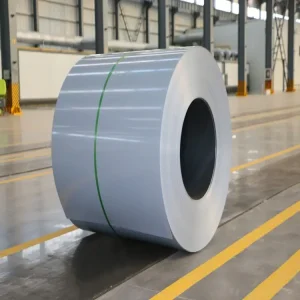
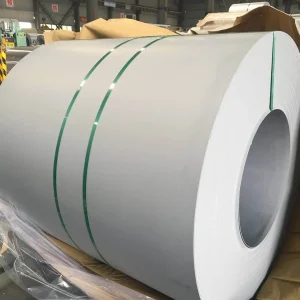
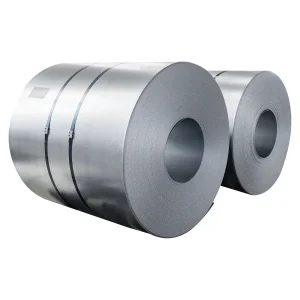
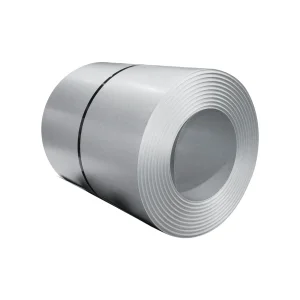
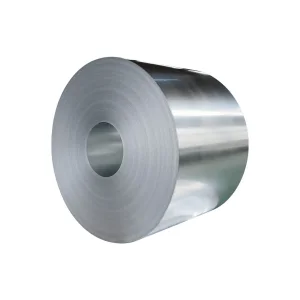
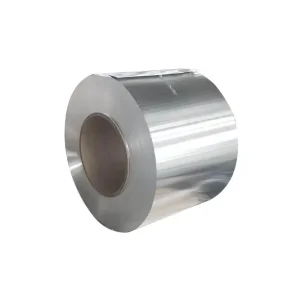
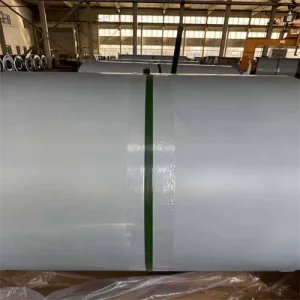
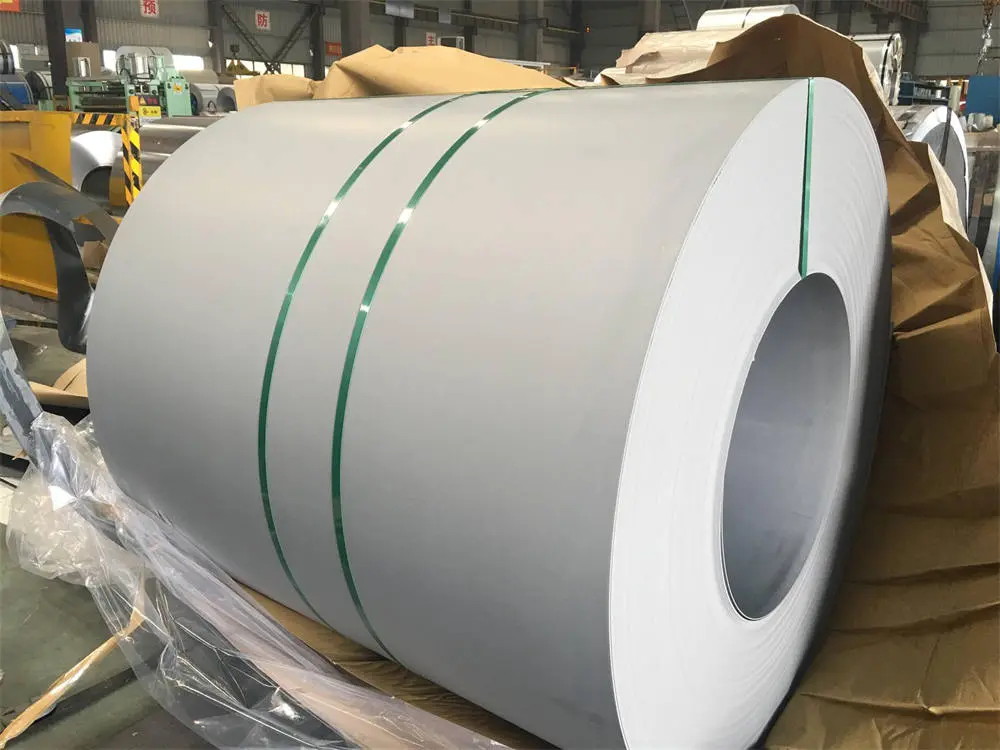
High-Quality SECC /SECD/SECE 20/20 coating Electro-galvanized steel plate Suppliers, Factories

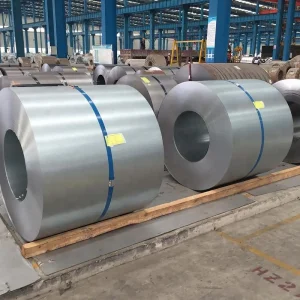
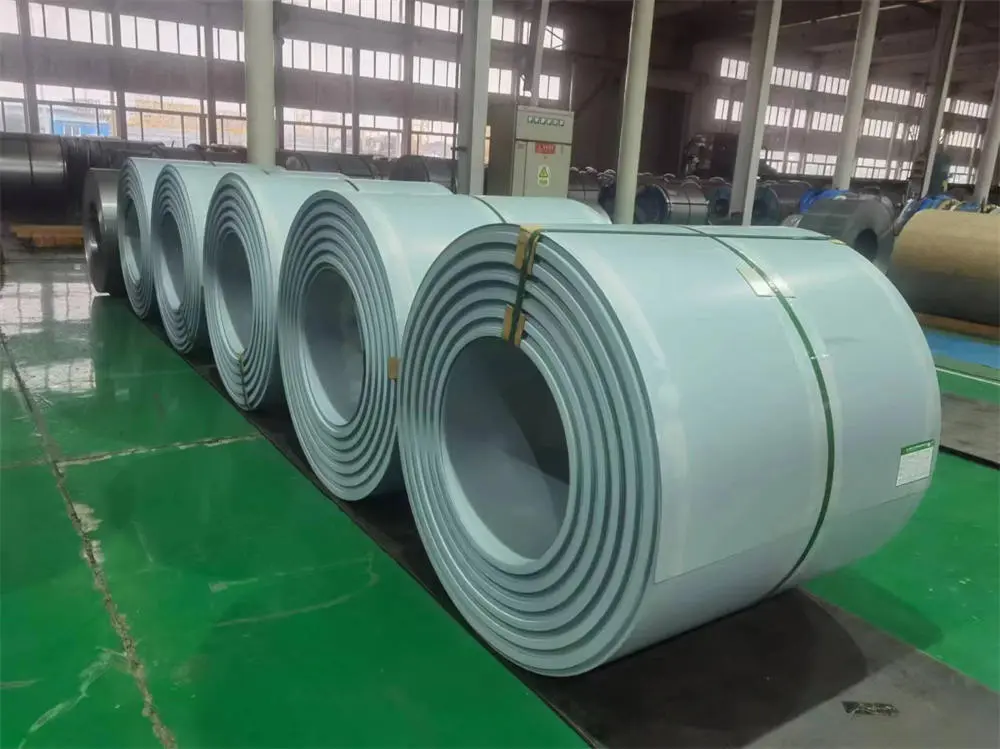
electro-galvanization employs an electric current to deposit dissolved zinc onto the surface of the material to be plated. This method offers uniform coating thickness and decorative properties, making it a preferred choice for various applications. However, unlike hot-dip galvanization, electro-galvanized materials typically undergo chromate treatment to enhance corrosion resistance and prevent white powdery corrosion formation.

Product Description

Product Description
Series Galvanized oiled sheet Galvanized fingerprint-resistant sheet Special fingerprint-resistant sheet for TV/MNT backplane Low gloss galvanized fingerprint-resistant sheet Self-lubricating fingerprint-resistant sheet special for motor
Grade SECC-O
SECD-O
SECE-O
SECC-NM SECD-N5
SECE-N5
SECC-NM SECC-SL
SECD-SL
Thickness 0.4--1.6mm
Width 900mm--1350mm
Inner diameter 610mm
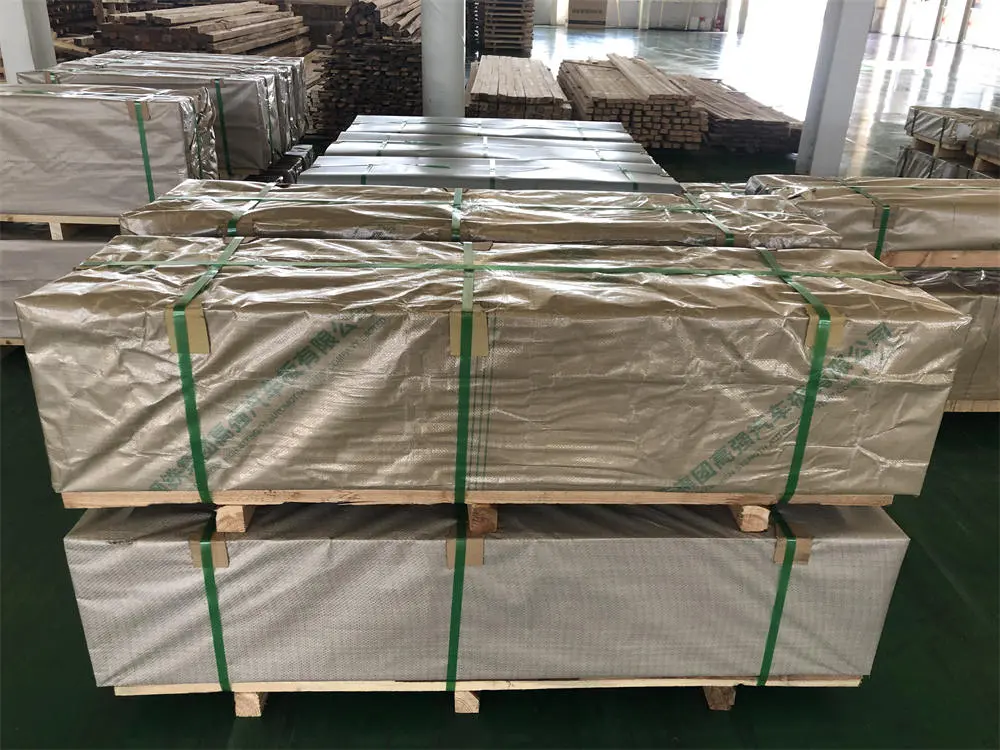
Weight per roll 6-13T
Zinc layer thickness 3um Single side
Zinc layer weight 20g/m2 Single side
Coating layer Oiling: 500mg/m2 Single side Fingerprint resistance: Single side. 1-1.4um Fingerprint resistance: Single side. 1.8-2.2um
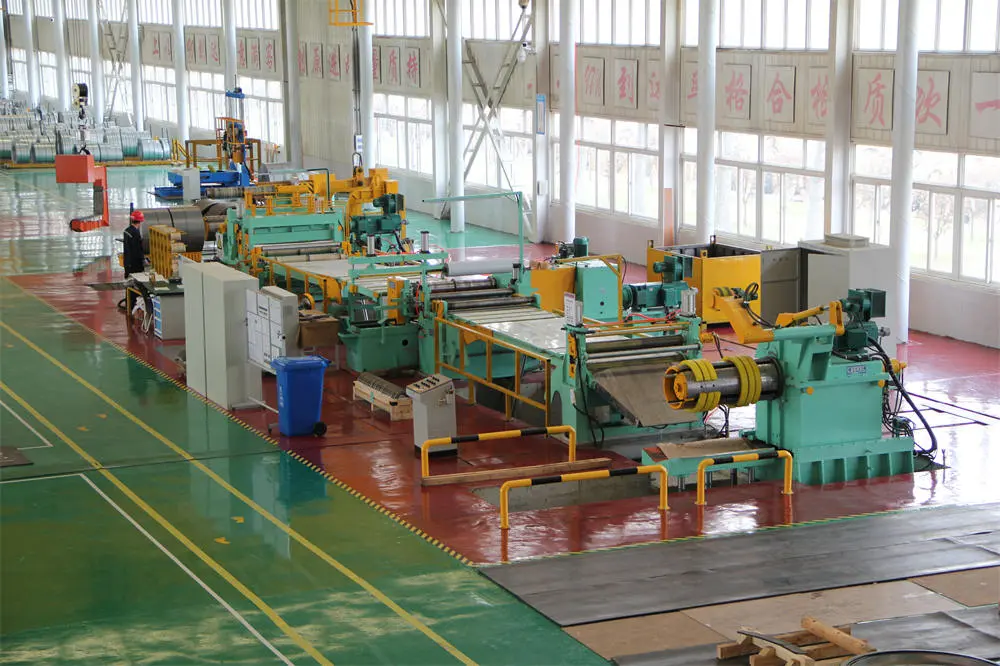
The Electroplating Production Process

Below is a detailed description of the important steps in the electroplating process:

1. Surface Preparation and Pretreatment

The surface of the steel sheet must be perfectly prepared before electroplating. This ensures that the electroplated layer can firmly and evenly adhere to the metal surface.

  • Surface Cleaning: Thoroughly clean to remove impurities, dust, and grease.
  • Surface Pretreatment: Utilizing methods like sandblasting, abrasion, or chemical cleaning to create a uniform surface.
2. Electroplating Process

This process takes place in a container with an electroplating solution:
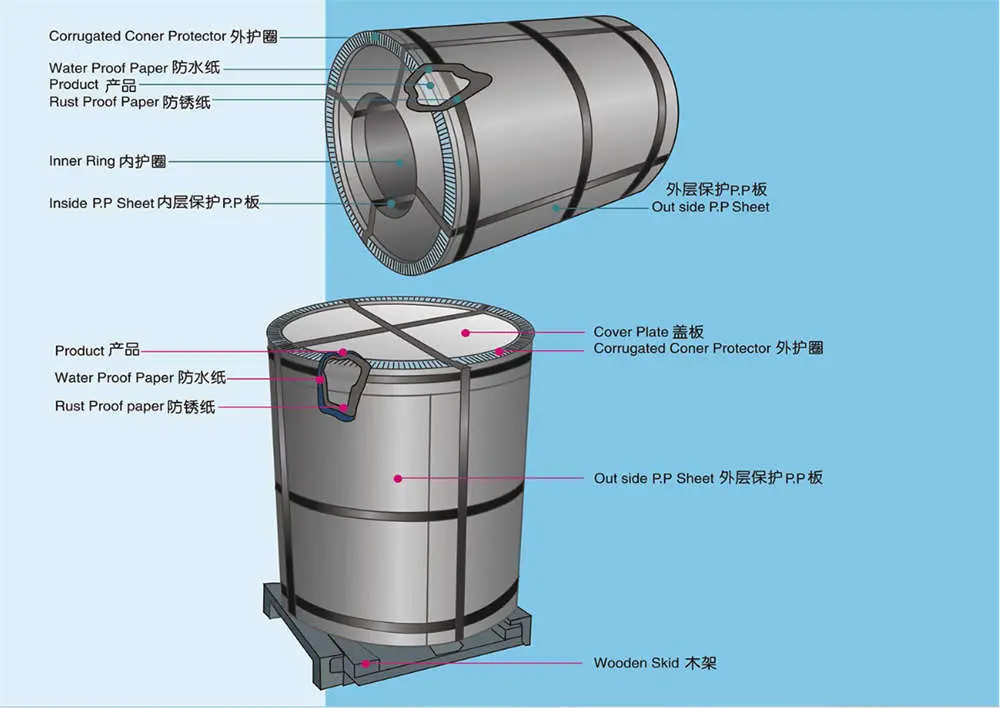
  • Pre-treatment: Immersion in an alkaline solution to increase conductivity.
  • Zinc Electroplating: Current passes through the solution, depositing zinc ions onto the surface.
  • Adjusting the Layer: Controlling current and contact time to regulate thickness.
Applications of Electroplated Steel
Construction Industry

Favored for manufacturing roofing sheets, water pipes, drainage pipes, and ventilation systems. It shields and protects metal components, enhancing lifespan against weather impact.

Automotive & Motorcycle

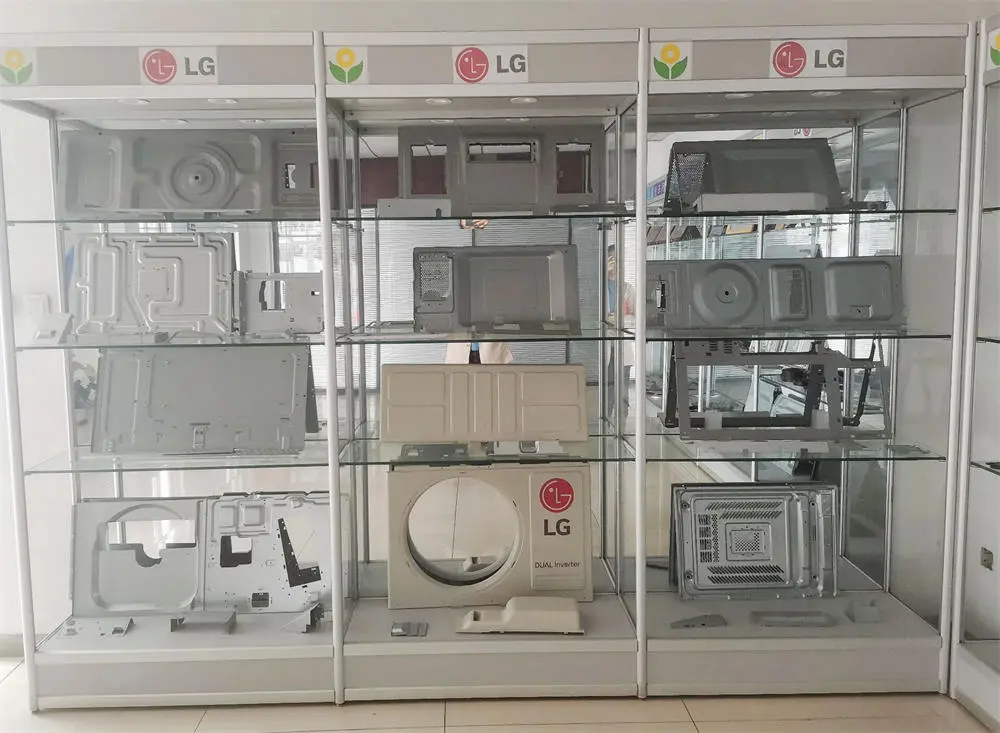
Used for exterior parts and components. The zinc layer protects vehicle frames from water, dust, and pollutants while maintaining aesthetic beauty and durability.

Consumer Goods

Applied in electronics for screws and circuits, and in household items like pots, pans, and dishes to provide a shiny, corrosion-resistant finish.

Daily Life

Utilized in decorative items, advertising signs, and interior furnishings, as well as specialized equipment in agriculture and the oil industry.

Fastening Solutions: Coiled Nails
  • High Capacity: Allows for extended use without frequent reloading, improving productivity.
  • Durability: Made from high-quality materials to withstand the toughest conditions.
  • Versatility: Perfect for wood framing, decking, fencing, and more.
  • Rust Resistance: Includes galvanized or stainless-steel coatings for long-lasting performance.

The ultimate fastening solution for projects demanding speed, precision, and strength.

Conclusion

Electroplated steel has firmly established its essential role in protecting and strengthening steel products. With its superior corrosion resistance, diverse aesthetics, cost-effectiveness, and environmental protection, it drives advancements in various industrial sectors and positively impacts our daily lives.
Frequently Asked Questions
1. What thickness ranges are available for electroplated steel?
The standard thickness range for these electroplated steel series is between 0.4mm and 1.6mm.
2. Why is the surface preparation step so critical?
Surface preparation removes impurities and grease, ensuring the electroplated zinc layer can firmly and evenly adhere to the metal surface.
3. How is the thickness of the zinc layer controlled?
The thickness is regulated by adjusting the electrical current and the contact time during the immersion in the zinc plating solution.
4. What are the benefits of using electroplated steel in vehicles?
It protects the frame and metal components from corrosion caused by water and environmental pollutants, prolonging vehicle life and maintaining appearance.
5. Are the coiled nails resistant to rust?
Yes, coiled nails come with options for galvanized or stainless-steel coatings specifically designed to ensure long-lasting rust resistance.
6. What industries commonly use electroplated steel?
It is widely used in construction, automotive and motorcycle manufacturing, electronics, and household consumer goods production.

Related Products