 SMSTEEL
SMSTEEL
SMSTEEL
Explore our industrial range of high-performance cold rolled coils, galvanized profiles, and precision pipelines engineered for diverse global application scenarios.
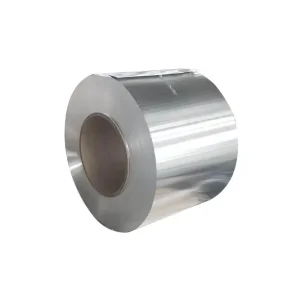
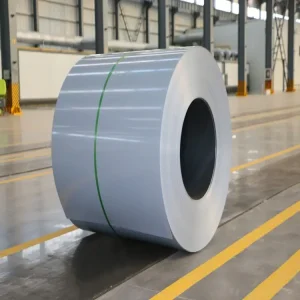
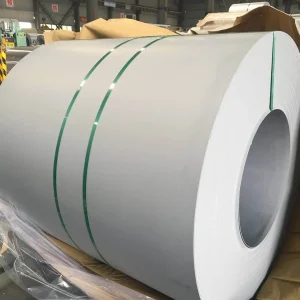
An in-depth whitepaper exploration of plastic deformation, grain recrystallization, and mechanical properties optimization in advanced steel manufacturing.
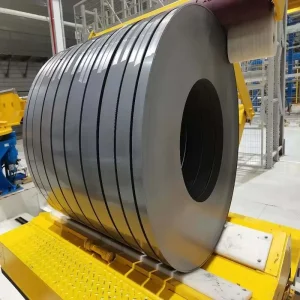
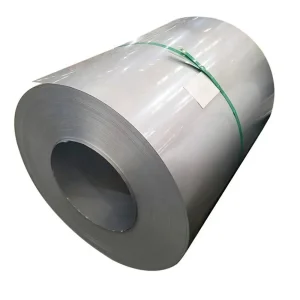
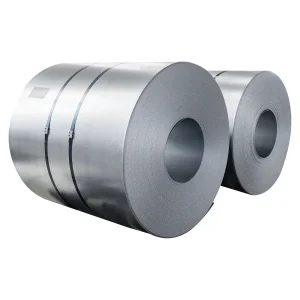
Unlike hot rolling, which occurs above the material's recrystallization temperature, the cold rolling process is executed at ambient temperatures. This raw mechanical compression induces plastic deformation on hot rolled, pickled steel sheets (SPHC), triggering a significant metallurgical transformation. As the steel passes through successive rolling mills, the thickness reduction forces the individual ferrite and pearlite grains to stretch and align along the rolling direction.
This microscopic grain elongation results in a phenomena known as strain hardening. The dislocation density within the crystal lattice rises dramatically, impeding further atomic-scale movements. For industrial applications, this translates directly to a massive surge in yield and tensile strength. However, this structural change decreases ductility. To restore formability for deep drawing components—such as those demanded by automotive panels—tightly controlled annealing operations are required.
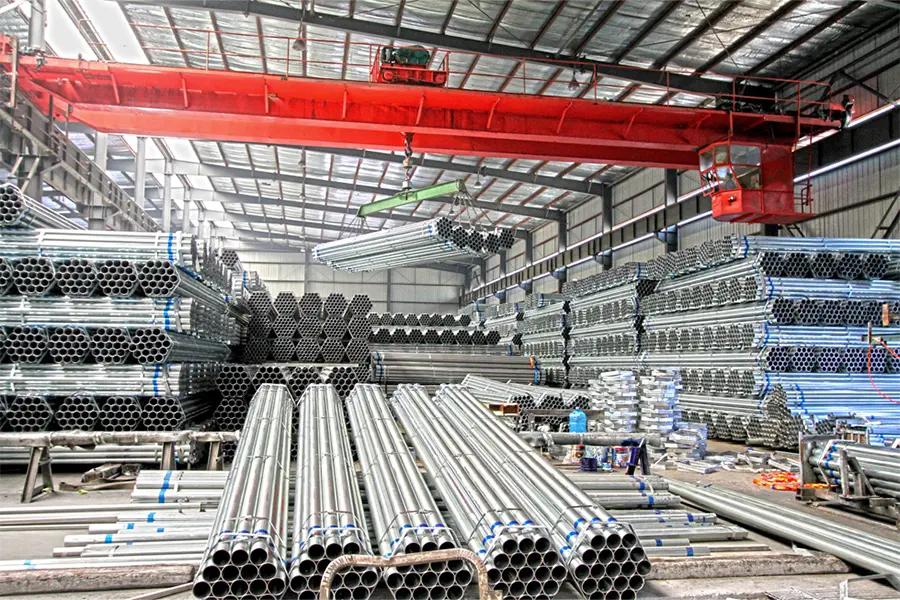
Achieving structural consistency across tens of thousands of tons requires a multi-stage manufacturing sequence, where precision testing and real-time thickness adjustments dictate the quality of the final output coil.
Before cold rolling, the hot rolled coil (typically SPHC) is routed through continuous acid baths. This eliminates iron oxides and surface scale built up during hot rolling, preventing mechanical impressions and securing a pristine, uniform steel surface.
The pickled metal enters reversing or multi-stand tandem mills. Utilizing massive mechanical roll pressure under precise tension control, the thickness is reduced up to 90%, meeting ultra-tight gauge tolerances down to fractions of a millimeter.
Work-hardened steel passes through continuous annealing furnaces to restore grain shape and ductility. A final skin-pass roll process optimizes surface flatness and delivers the precise roughness (Ra values) required for coating adhesion and forming.
"Through accurate controlling of rolling chemistry and mechanical compression, Step Million Steel guarantees that every cold-rolled coil meets exact tensile specifications, establishing a secure foundation for subsequent processing like hot-dip galvanizing, electro-galvanizing, and silicon processing."
Analyzing global supply chain integration, regional compliance dynamics, and Step Million Steel's manufacturing matrix.
The global demand for high-strength cold-rolled steels and specialty coated sheets (like SECC, SECD, and CRNGO silicon steels) is expanding. Driven by the transition toward lightweight electric vehicles (EVs), energy-efficient home appliances, and high-precision infrastructural frameworks, global buyers require raw material suppliers that deliver consistent metallurgical profiles and cost efficiency.
In mature markets like North America and Europe, local steel production often struggles with aging facility frameworks and rising processing costs. Consequently, industrial manufacturers rely on high-capacity global supply lines. This is where Step Million Steel plays a pivotal role, optimizing the entire supply chain from iron sourcing to specialized cold rolling, surface finishing, and international shipping.

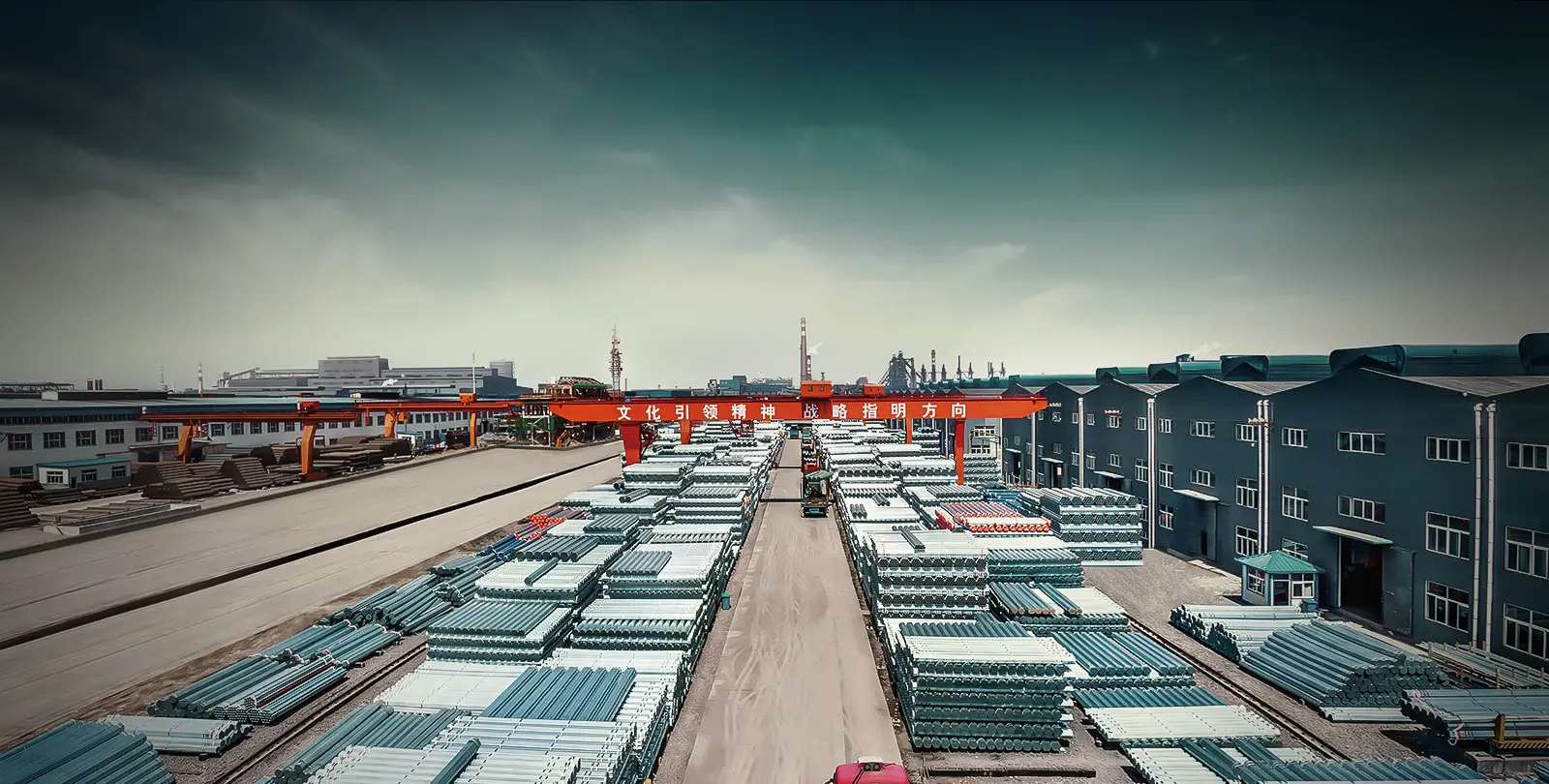
Our manufacturing complex in China spans over 66,700 square meters, run by a dedicated team of over 300 steel workers. The facility operates eight High Frequency welded production lines. Each production line features specialized equipment capable of completing at least five distinct production steps, including automated forming, weld stabilization, structural treatment, sizing, and anti-corrosive coating.
Step Million Steel leverages strategic relationships with China's top state-owned and private iron giants, including **Baowu Iron and Steel Group**, **Hebei Iron and Steel Group (HBIS)**, **Shougang Group**, **Bengang Group**, and **Anshan Iron and Steel Group**. Securing raw materials directly from these advanced blast furnaces ensures a steady, high-quality material supply and shielding clients from market price swings. We distribute over 700,000 tons of steel annually, with a domestic and international turnover of nearly 4 billion yuan.
Different regions and industries demand custom mechanical properties. Here is how our cold rolled products adapt to specific application challenges.
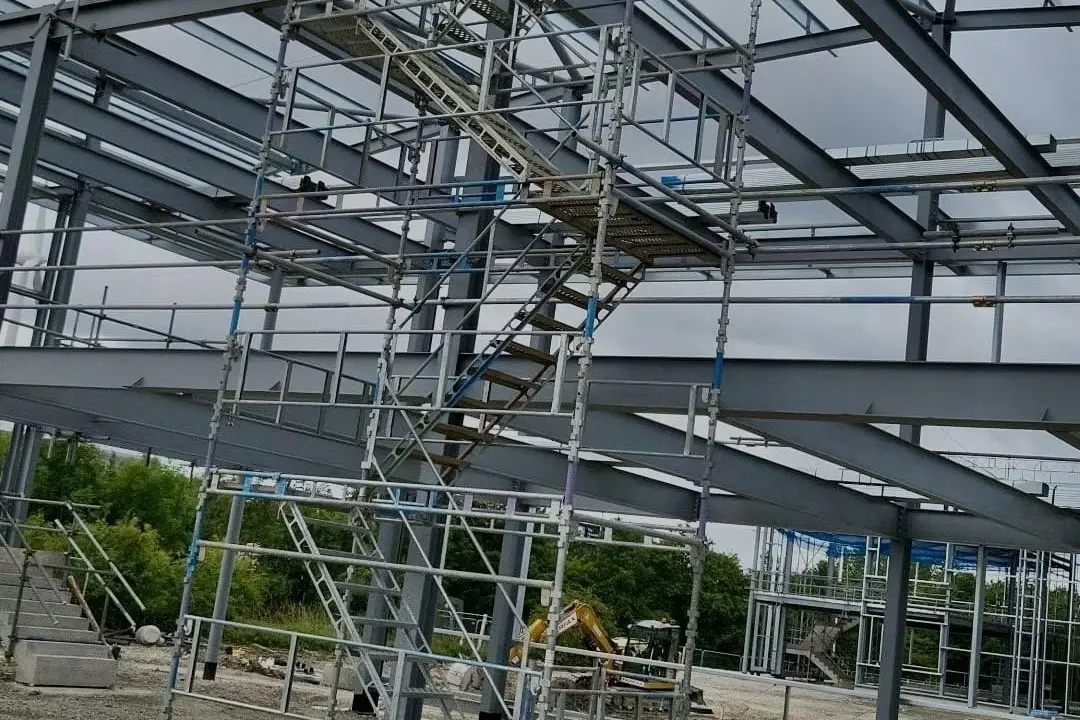
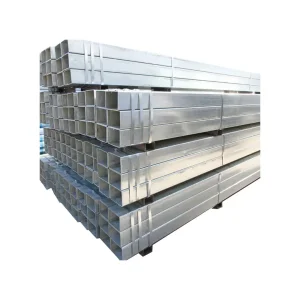
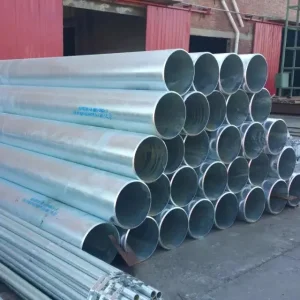
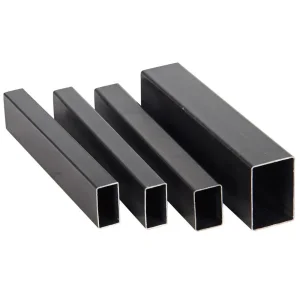
From high-strength spiral pipes (A53/A106) to galvanized square and rectangular tubes, our steel forms structural framing and pipeline systems in high-humidity zones.

Our non-grain-oriented silicon steel coils (CRNGO) deliver the low core loss and high magnetic permeability required for electric motors, generators, and transformer units.

High-strength cold-rolled steel sheets with deep drawing capabilities (SECD, SECE) allow manufacturers to press complex shapes without fracturing, maintaining crash safety.

Leading companies like LG Electronics trust our electro-galvanized SECC steel plates, which combine corrosion protection with a smooth surface finish suitable for painting.

Corrugated metal roofs (GI, PPGI, PPGL) utilizing G550 grade structural steel withstand harsh weather and high solar radiation in Central America, Southeast Asia, and Africa.

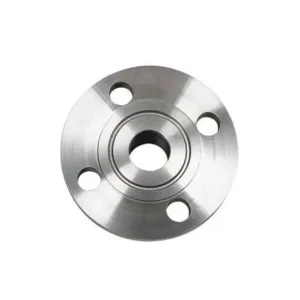
From industrial flanges to metal fence posts, we supply raw materials and semi-finished components that integrate into local manufacturing facilities.
How Step Million Steel is evolving with digitalization, carbon neutrality, and advanced metallurgical technologies.
The global steel industry is experiencing a profound transition toward carbon neutrality. For cold rolling mills, this requires reducing energy use during annealing and heat-treatment cycles. Our engineering team is researching hydrogen-rich protective atmospheres in batch annealing furnaces, replacing traditional nitrogen-hydrogen mixes. This reduces carbon emissions and improves heat transfer rates, resulting in uniform mechanical properties across the coil width.
Furthermore, by optimizing raw materials from steelmakers using electric arc furnaces (EAF), we supply low-carbon cold rolled steels to automotive and appliance manufacturers seeking to reduce Scope 3 emissions in their supply chains.
Surface defect control is a key challenge in cold rolling processes. Micro-slippage, roller marks, and light scale residue can compromise surface quality. Step Million Steel is upgrading its production lines with real-time, AI-driven optical scanning systems.
Using high-speed, high-resolution cameras combined with deep-learning vision models, our systems inspect the top and bottom of moving steel sheets at speeds up to 1,000 meters per minute. The system flags surface anomalies (like micro-pores or scratches) immediately, allowing operators to make adjustments and preventing defective material from reaching the packaging station.
Our long-term developmental targets focus on three key technical frontiers to maintain our market position:
Ensuring cross-border compliance, certified material testing, and structured shipping logistics across all continents.
We supply steel matching international standards. All raw materials and finished products carry certifications including GB (China), ASTM (USA), BS (UK), and DIN (Germany). CE certifications are provided upon request for European construction markets.
Our quality department features over 20 professional inspectors with more than 10 years of experience. We use testing equipment imported from Germany and Japan to perform mechanical tensile tests, spectrometer chemical analyses, and salt-spray corrosion tests.
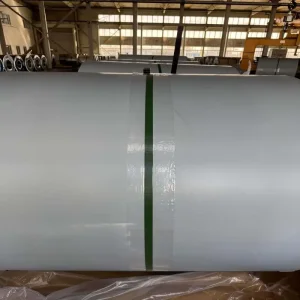
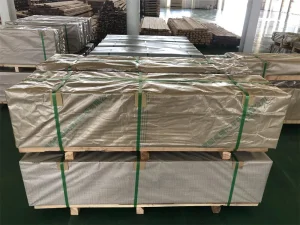
Cold-rolled sheets are vulnerable to rust. We use VCI (Volatile Corrosion Inhibitor) paper, galvanized steel outer covers, and heavy-duty steel bands to protect coils during sea transit to South America, the Middle East, Southeast Asia, and Africa.
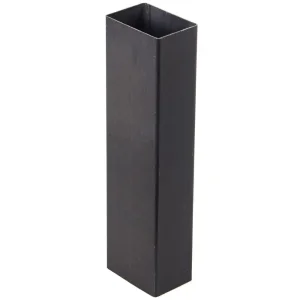
Review our specialty coatings, hot-rolled pickled profiles, and custom square piping options manufactured under strict QC control.
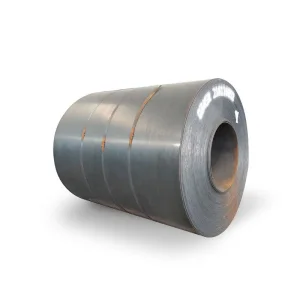
Get professional metallurgical and logistical answers to your most pressing questions about the cold rolling process, specifications, and procurement.
Hot-rolled steel is processed at high temperatures (typically above 900°C), making it easier to form but resulting in a rough surface finish and less precise dimensions. Cold-rolled steel is processed at room temperature, which increases its strength by up to 20% through strain hardening. This delivers tighter thickness tolerances, a smoother surface finish, and improved paint and coating adhesion.
We prevent surface oxidation during transport by applying a thin layer of rust-preventative oil to the coils. The coils are then wrapped in Volatile Corrosion Inhibitor (VCI) paper, covered with a heavy-duty galvanized iron casing, and secured with steel strapping. For ocean freight, we place desiccant bags inside shipping containers to control moisture levels.
These designations refer to electro-galvanized cold-rolled steel grades under JIS standards. SECC is commercial quality steel used for basic bending and flat panels. SECD is deep-drawing quality steel suitable for moderate forming. SECE is extra-deep-drawing quality steel, which features high elongation and is designed for complex stamped parts without tearing.
Cold-Rolled Non-Grain-Oriented (CRNGO) silicon steel is alloyed with silicon to increase electrical resistivity. This design reduces eddy current losses in motor cores. Non-oriented silicon steel exhibits uniform magnetic properties in all directions, making it suitable for rotating electrical machinery like electric motors and generator rotors.
Our quality control program involves mechanical and chemical testing. We use German and Japanese testing equipment to verify chemical composition via optical emission spectrometers, evaluate mechanical properties through tensile tests, and check coating thickness with X-ray fluorescence analyzers. We also perform salt spray testing to evaluate corrosion resistance.
Yes, we accept small-scale trial orders to help build trust. We support flexible payment terms, including standard Letter of Credit (L/C) and Telegraphic Transfer (T/T), as well as customized credit structures for long-term purchasing partners.
Our competitive advantage lies in our direct supply agreements with China's major steel groups, including Baowu and Shougang, which ensures a steady supply of high-grade raw materials. Additionally, our 66,700-square-meter facility, equipped with 8 high-frequency production lines and an in-house R&D mold workshop, allows us to offer custom steel profiles at stable prices.
We maintain a 24-hour response protocol for all standard inquiries. For customized product requests or detailed technical specifications, our engineering team provides complete quotes and production schedules within 48 hours.