 SMSTEEL
SMSTEEL
SMSTEEL
Deep drawing steels are specialized low-carbon or interstitial-free (IF) alloy grades engineered specifically to undergo severe plastic deformation without thinning or tearing. In precision manufacturing, the ability to stretch and form metal sheets into complex, hollow three-dimensional shapes—such as automotive body panels, oil pans, structural components, and home appliance casings—demands exceptional drawability. This mechanical property is defined primarily by two metrics: the plastic strain ratio (r-value), which indicates resistance to thinning, and the strain hardening exponent (n-value), which governs the material's capacity to distribute strain uniformly.
As a leading Wholesale Deep Drawing Steels Manufacturer & Supplier, we focus on producing grades that exhibit high planar anisotropy and high vertical anisotropy. By utilizing vacuum degassing during the steelmaking process, carbon and nitrogen levels are reduced below 0.005%, resulting in a highly ductile ferritic matrix. Standard commercial designations, such as DX54D, DX56D, DC04, DC05, and DC06, are micro-alloyed with titanium or niobium to stabilize any remaining interstitial elements, ensuring superb resistance to aging and excellent long-term storage stability without yield point elongation.
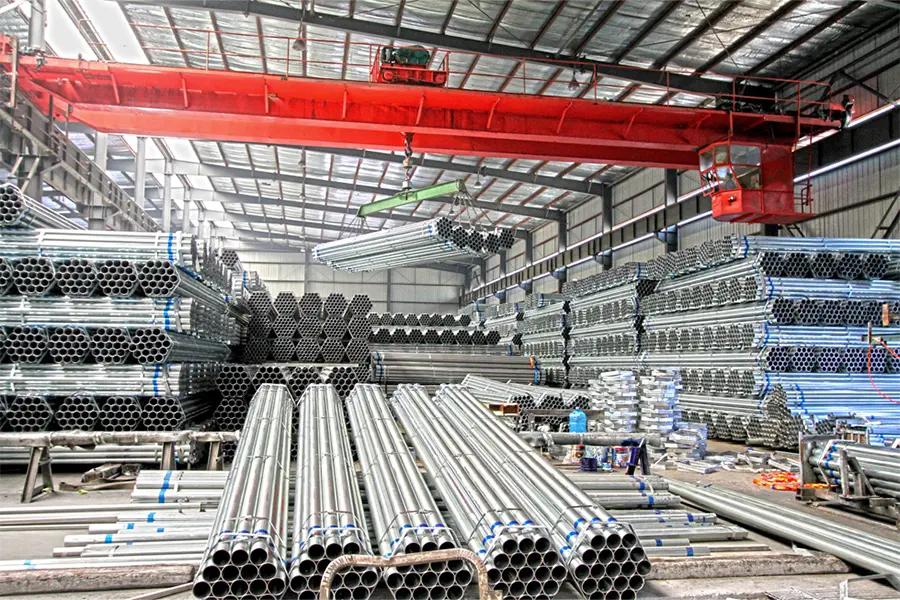
The global demand for deep drawing steel is driven by the structural shifts in the automotive and electronics industries. According to global metallurgical market reports, the transitioning of automotive architectures to Hybrid and Electric Vehicles (EVs) has introduced stringent requirements for high-formability, lightweight materials. EV battery housings, motor covers, and structural reinforcements require deep drawing steels that maintain integrity under extreme mechanical stress. Concurrently, rapid urbanization in developing regions has accelerated the production of high-efficiency household appliances, boosting the demand for zinc-coated, cold-rolled deep drawing sheets.
Manufacturers require thin-gauge sheets with superior tensile strength to reduce vehicle curb weight while meeting strict crash-safety criteria. Extra deep drawing steels (EDDS) allow the production of integrated, single-piece parts, minimizing weld lines and material waste.
Global appliance giants are transitioning to complex chassis shapes that require deep-drawn structural frames. Our steel sheets provide consistent drawability, preventing surface defects, stretcher strains, and fracturing during high-speed stamping operations.
Fluctuating raw material prices and geopolitical dynamics require suppliers to provide reliable delivery structures. Through deep partnerships with major steel corporations like Baowu and Shougang, we guarantee uninterrupted global logistics and competitive pricing models.

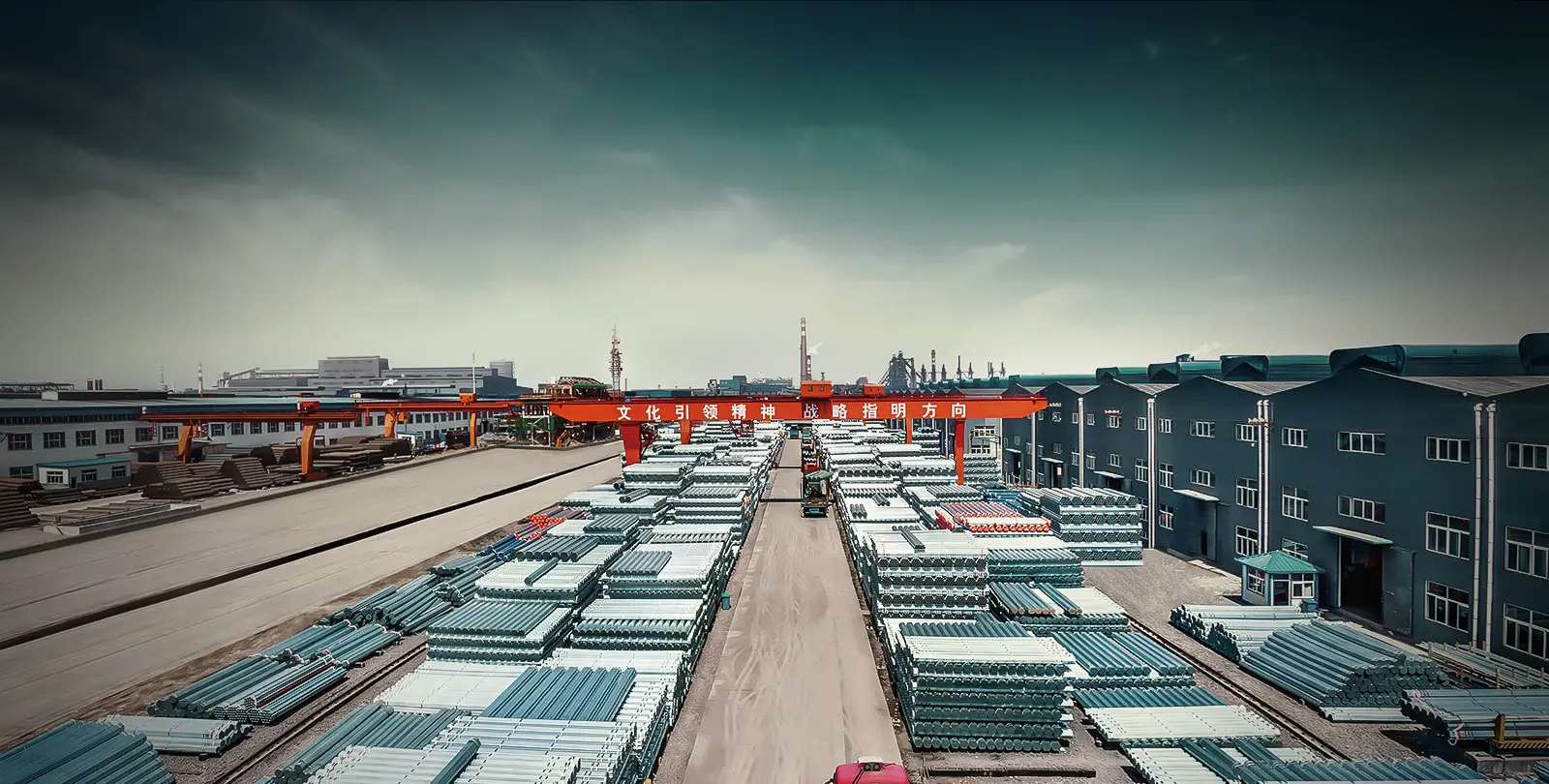
Founded in 2010, STEP MILLION STEEL SUPPLY CHINA CO., LTD. has grown to become a leading steel material supplier and manufacturer in China. Our extensive production infrastructure covers over 66,700 square meters and employs more than 300 professionals, including a core engineering workshop with 20 R&D engineers possessing over 10 years of metallurgical experience. We operate eight High-Frequency welded lines, where each line incorporates comprehensive processing equipment to satisfy stringent manufacturing stages.
Our monthly output reaches 100,000 tons, with over 50% dedicated to serving international markets across the Middle & South America, Southeast Asia, the Middle East, and Africa. We have established deep strategic alliances with major steel plants in China, including Hebei Iron and Steel Group, Baowu Iron and Steel Group, Shougang Iron and Steel Group, Bengang Group, and Anshan Iron and Steel Group, allowing us to distribute over 700,000 tons of premium steel products annually.
We provide tailored metallurgical specifications designed to optimize output and tool life across multiple high-precision stamping sectors.
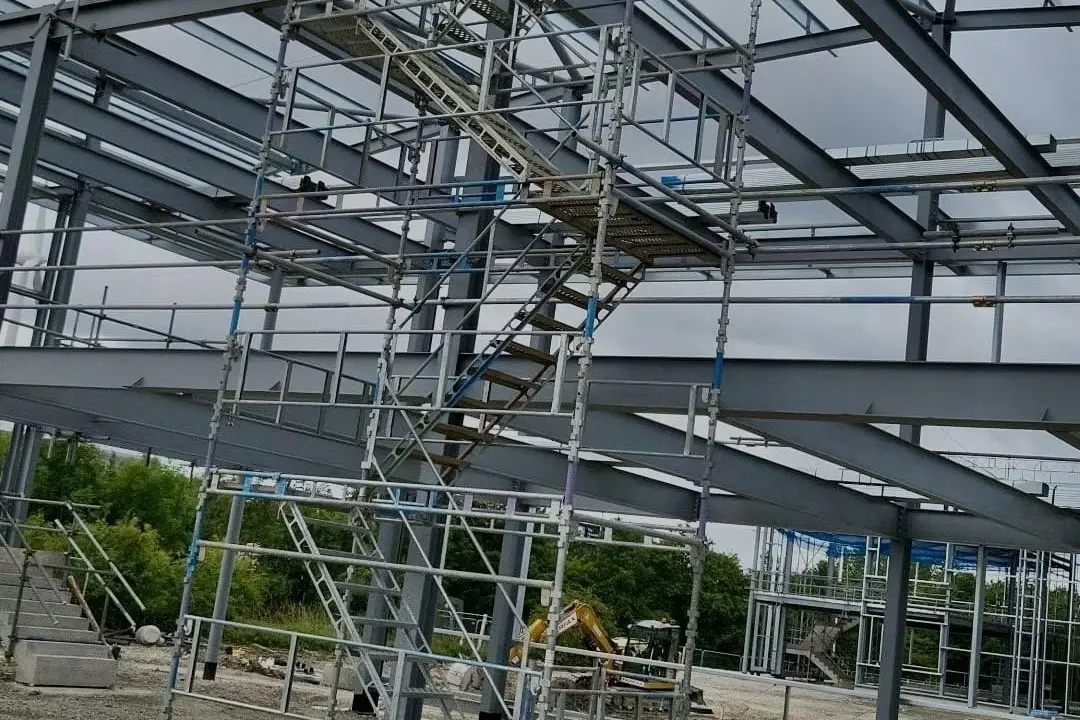
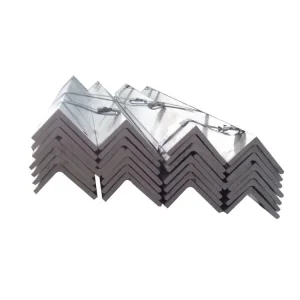
Supplying durable galvanized sheets and structural profiles designed for high-stress framing, structural nodes, and load-bearing components requiring excellent ductility and environmental resistance.
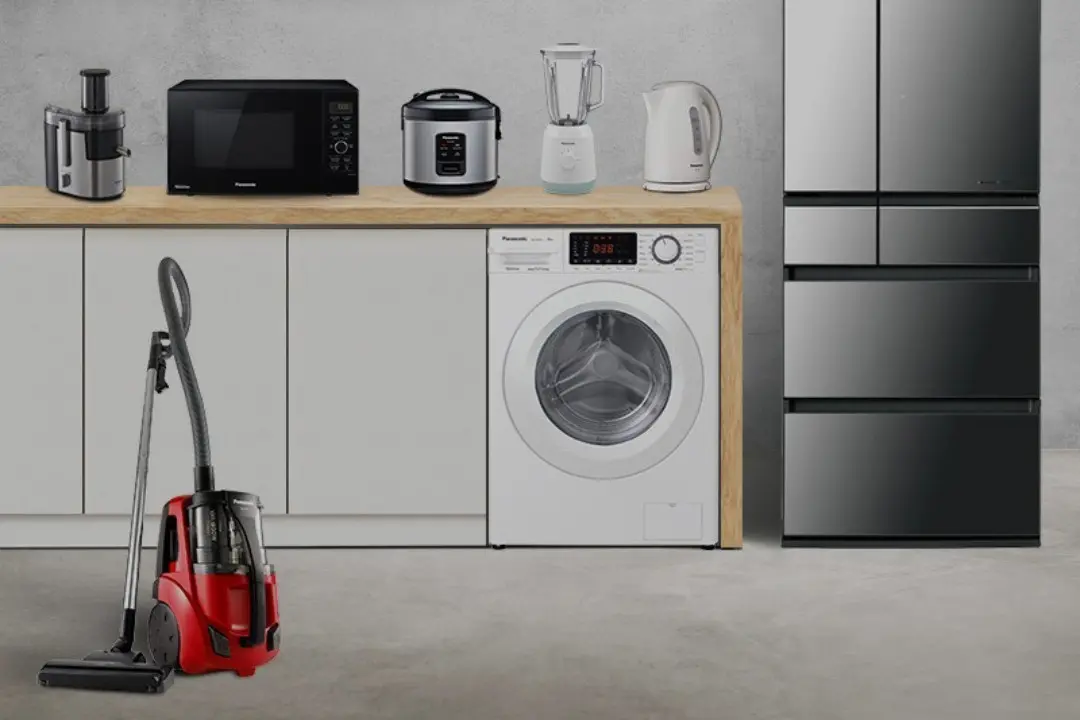
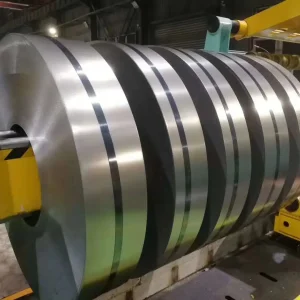
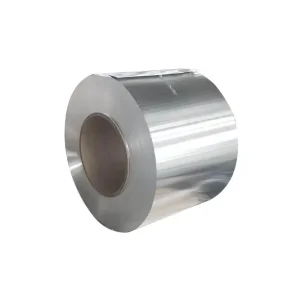
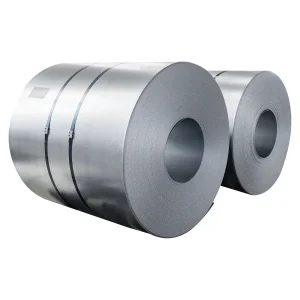
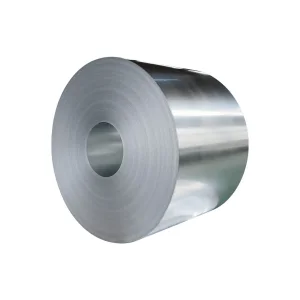
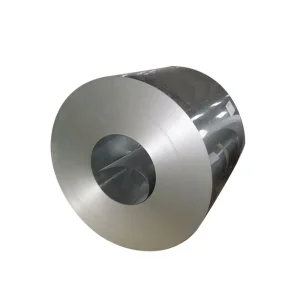
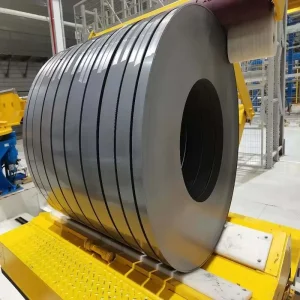
Delivering high-surface-quality DC04, DC05, and DC06 steel coils for the complex enclosures, washing machine drums, and back panels utilized by global manufacturers like LG Electronics.
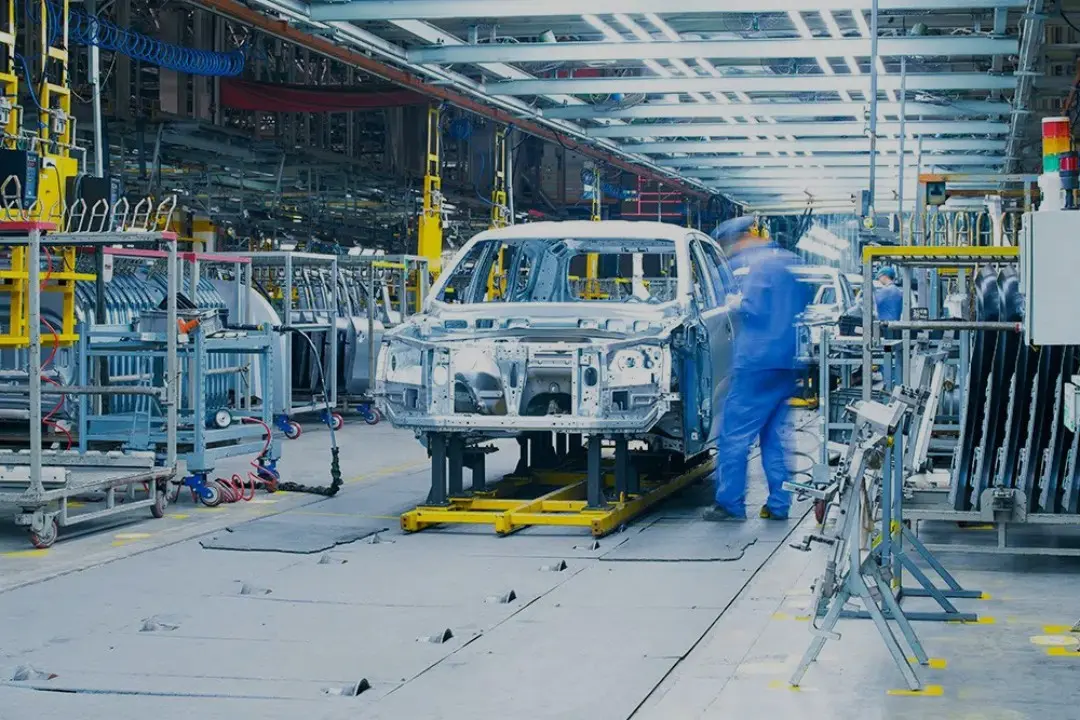
Providing premium interstitial-free steels with high r-values and elongation limits for door inner panels, side-frames, oil pans, and complex structural BIW parts.
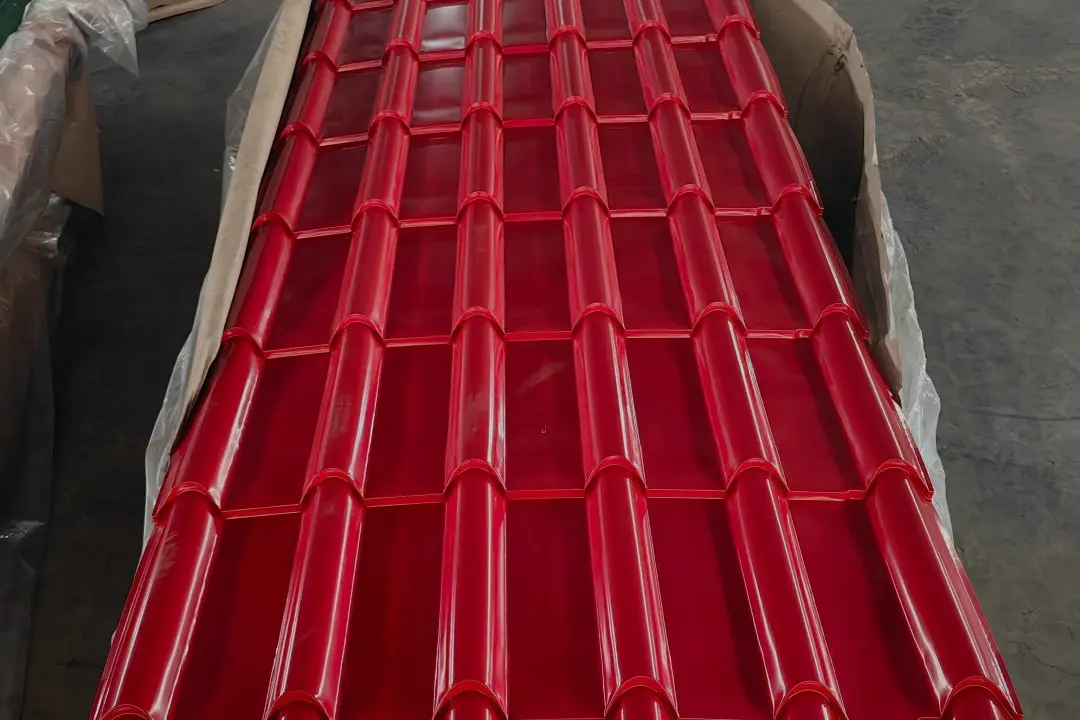
Supplying corrugated galvalume and high-zinc hot-dip galvanized steel panels that withstand continuous roll-forming stress while retaining anti-corrosion barrier integrity.
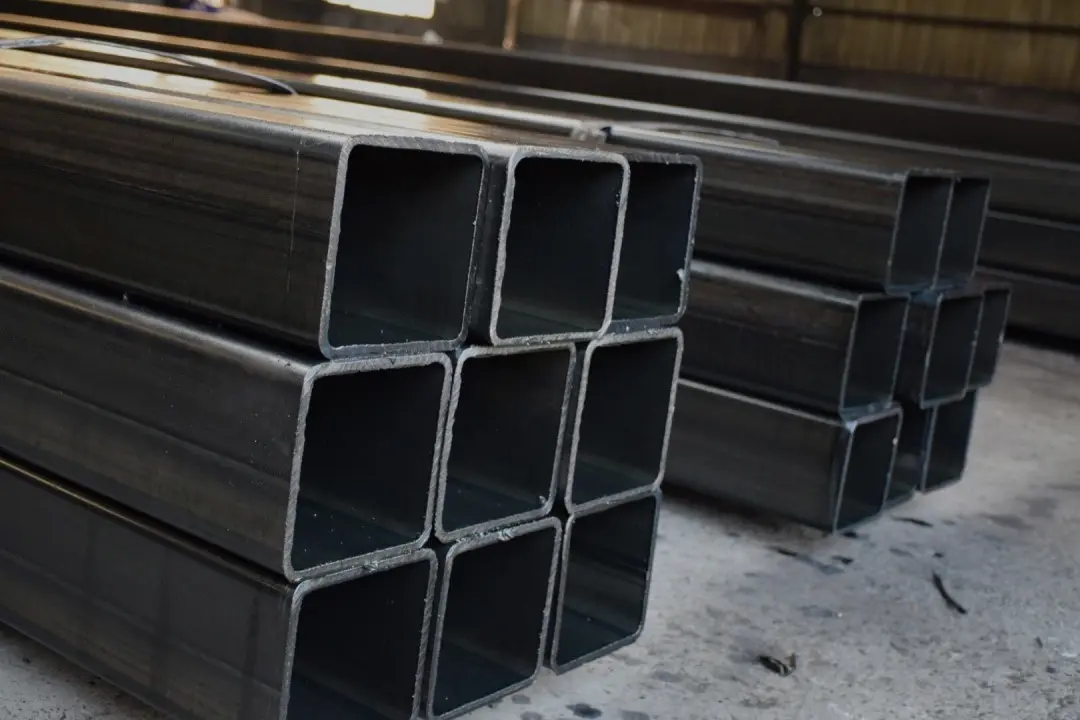
Supplying highly ductile drawing-grade steel wires, high-precision fasteners, and stamping components designed to facilitate flawless cold-heading and high-speed automated forming processes.
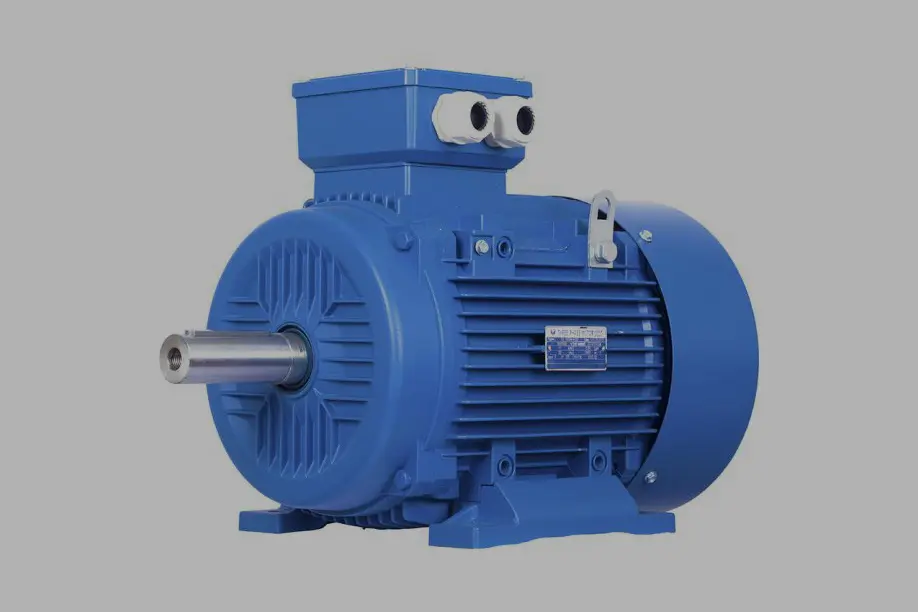
Providing high-performance CRGO electrical silicon steel coils, customized structural brackets, and transformer cores designed to optimize energy efficiency in distribution grids.
To ensure zero defect rates at our clients' stamping presses, our quality control framework is backed by over 20 dedicated inspectors carrying more than 10 years of individual expertise. We utilize testing equipment imported from Germany and Japan to run chemical composition analyses, mechanical tensile tests, microstructural grain evaluations, and surface roughness measurements.
All deep drawing steel batches conform strictly to international benchmarks, including GB, ASTM, BS, and DIN certifications. CE certifications are provided upon demand. Our strategic alignment with primary metallurgical labs ensures that we maintain complete heat-number traceability from the blast furnace to the final coil packaging, giving procurement managers absolute reliability and confidence.
As the stamping industry evolves, the demand for more sustainable, highly formable, and corrosion-resistant alloys is transforming metallurgical pathways. Step Million Steel is committed to aligning its manufacturing facilities with tomorrow's industrial demands.
Developing ultra-thin, high-corrosion-resistant ZM coatings that offer superior self-healing edge protection compared to standard hot-dip galvanized and galvannealed alternatives. ZM coatings reduce overall zinc usage while doubling atmospheric corrosion resistance in critical architectural and automotive designs.
Expanding processing capacities for high-formability, high-strength grades. By utilizing advanced thermal-processing cycles, we achieve an optimal balance of tensile strength and high elongation properties, allowing complex structural parts to be stamped from thinner sheets without compromising structural integrity.
Integrating high-speed optical scanner arrays along our processing lines to record and evaluate surface topologies in real-time. By supplying precise mechanical data models along with our coils, we enable our clients' simulation programs to predict springback and minimize trial-and-error tool corrections.
For large-scale global stamping operations, procurement complexity extends far beyond basic material specifications. Factors such as steel mill batch consistency, transport corrosion protection, and logistics predictability dictate operational profitability. Step Million Steel provides a comprehensive sourcing structure designed to eliminate manufacturing risks:
By partnering with major state-level steel manufacturing conglomerates (including Baowu, Shougang, and Hebei Iron & Steel), we guarantee consistent chemical properties across orders, ensuring consistent mechanical behavior during high-speed stamping cycles.
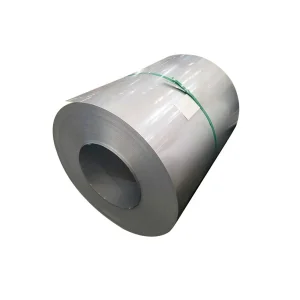
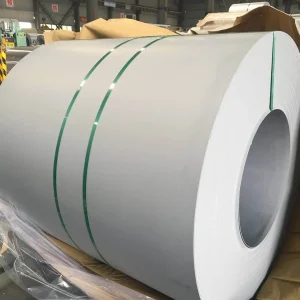
Deep-drawn sheets are sensitive to moisture and oxidation. Our coils are protected using multi-layer anti-rust paper wraps, robust metal outer rings, structural core brackets, and desiccant packs to prevent transit corrosion during transoceanic shipping.
We accommodate customized cargo split options, safety stocking arrangements, and just-in-time (JIT) production delivery patterns to maximize liquidity and prevent logistics bottlenecks.
Crucial technical answers regarding chemical specifications, micro-alloying, mechanical performance, and coil procurement variables.